Chapter One

The Legacy Begins

On December 31, 1899, a young Jewish man named Joseph Kulakovsky boarded the SS Numidian in Liverpool, England, and embarked for the United States. Kulakovsky traveled to Liverpool from the small village of Timkovichi in the Minsk region of Russia (today Belarus). After eleven days at sea, he arrived in Portland, Maine, on January 10, 1900, at the age of 17.

Joseph Kulakovsky (the family changed their surname to Kalikow upon arrival in the United States) settled on the Lower East Side of New York City. There, he lived among relatives, as well as other Jewish immigrants from Timkovichi and the surrounding areas. Joseph Kalikow’s siblings and mother would arrive in New York in the following years to join the tight-knit community. The family changed their surname to Kalikow once they settled in the United States. The exact date of this is not clear, but records show that Joseph began going by Kalikow prior to 1908.
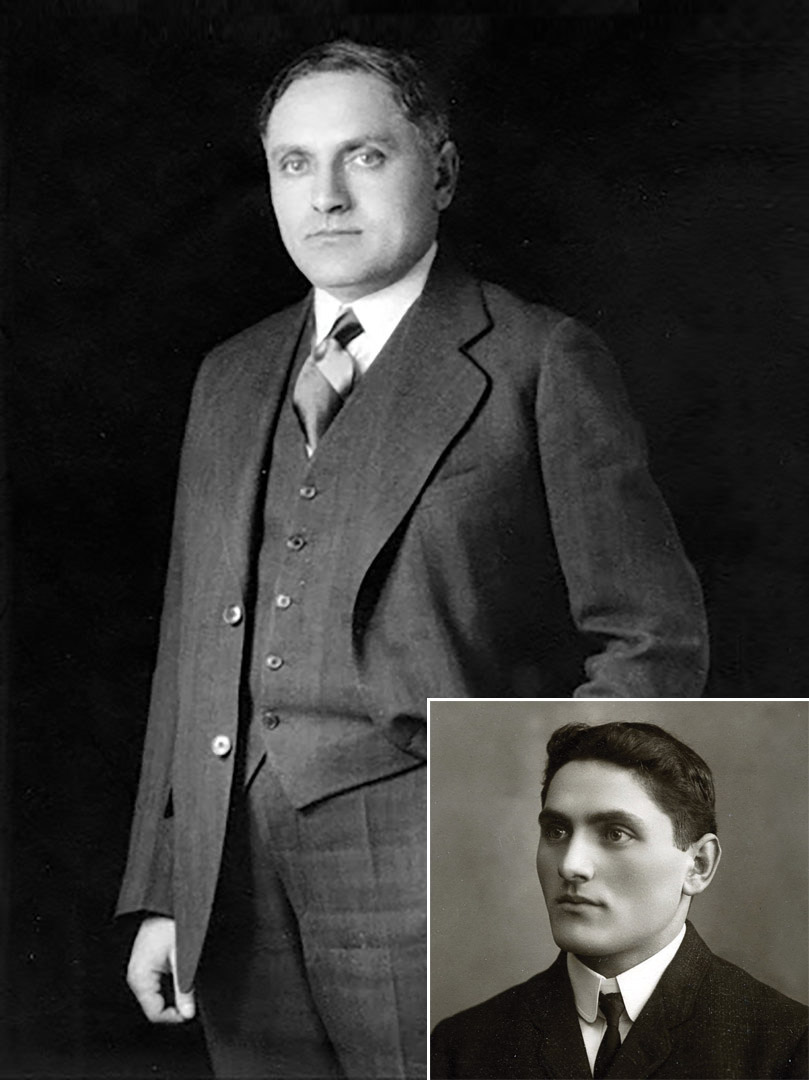
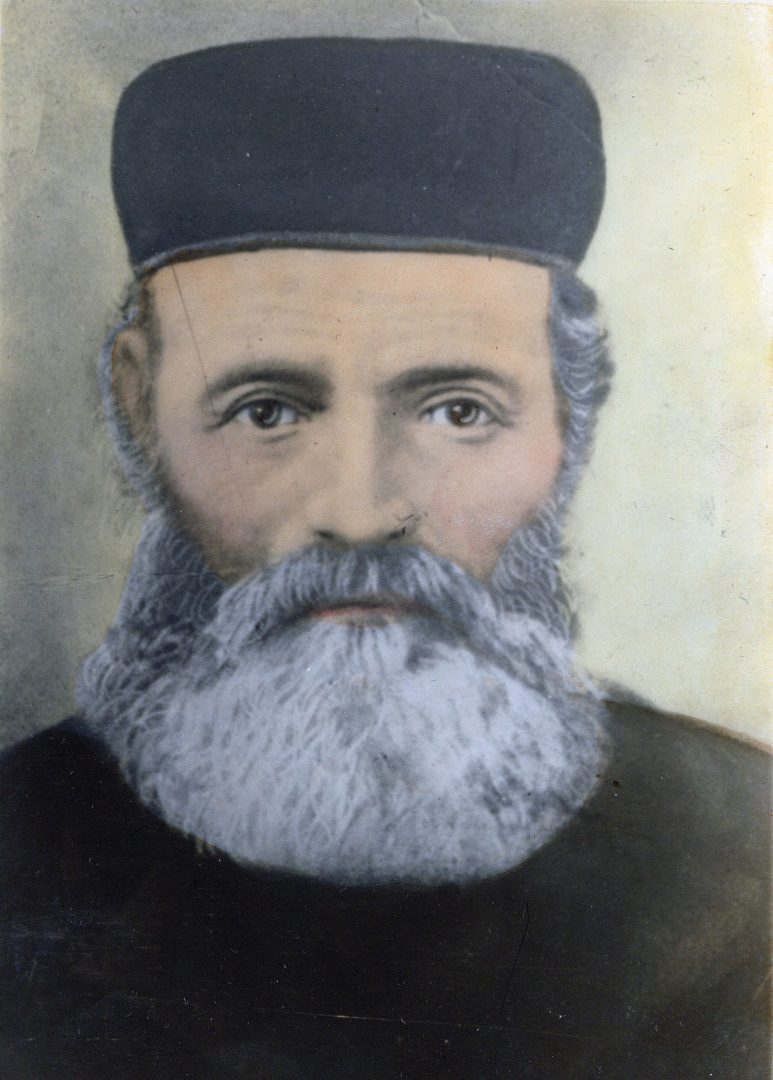
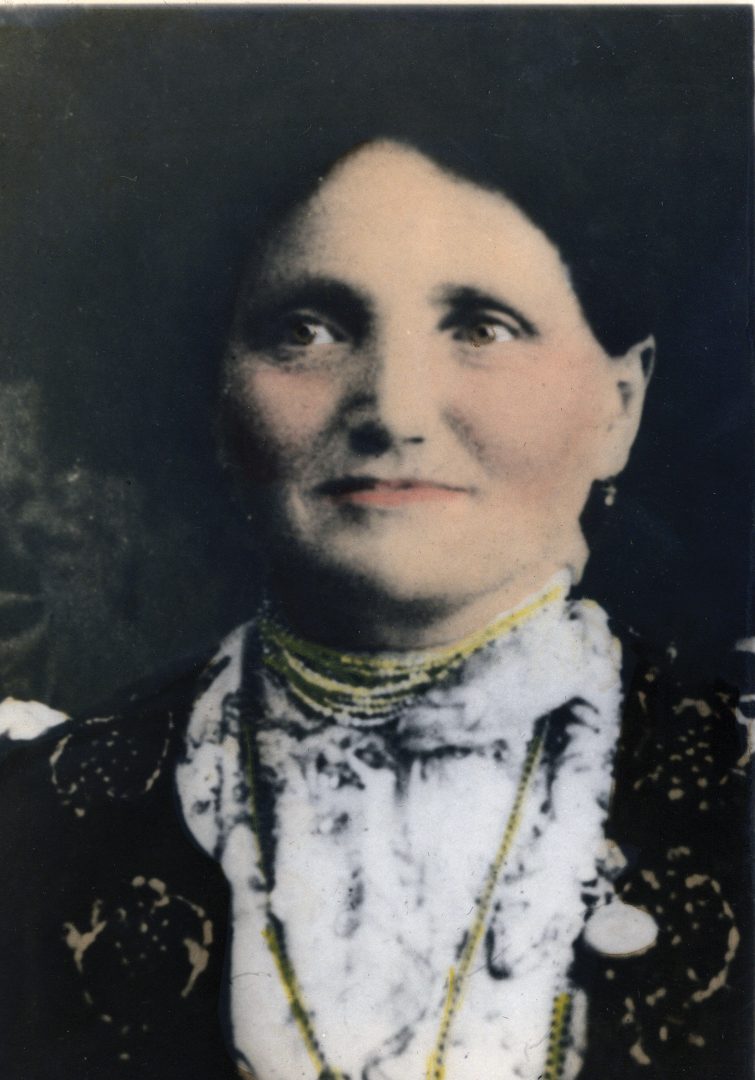
Portraits of Joseph Kalikow as a young man and in adulthood

Joseph Kalikow’s parents Nachum (Nathan) and Rachel Kalikow: While Joseph’s mother, Rachel, immigrated to America to join her son, his father, Nachum, stayed behind in Russia. It was imperative to Rachel Kalikow that her children became Americanized as quickly as possible upon their arrival.

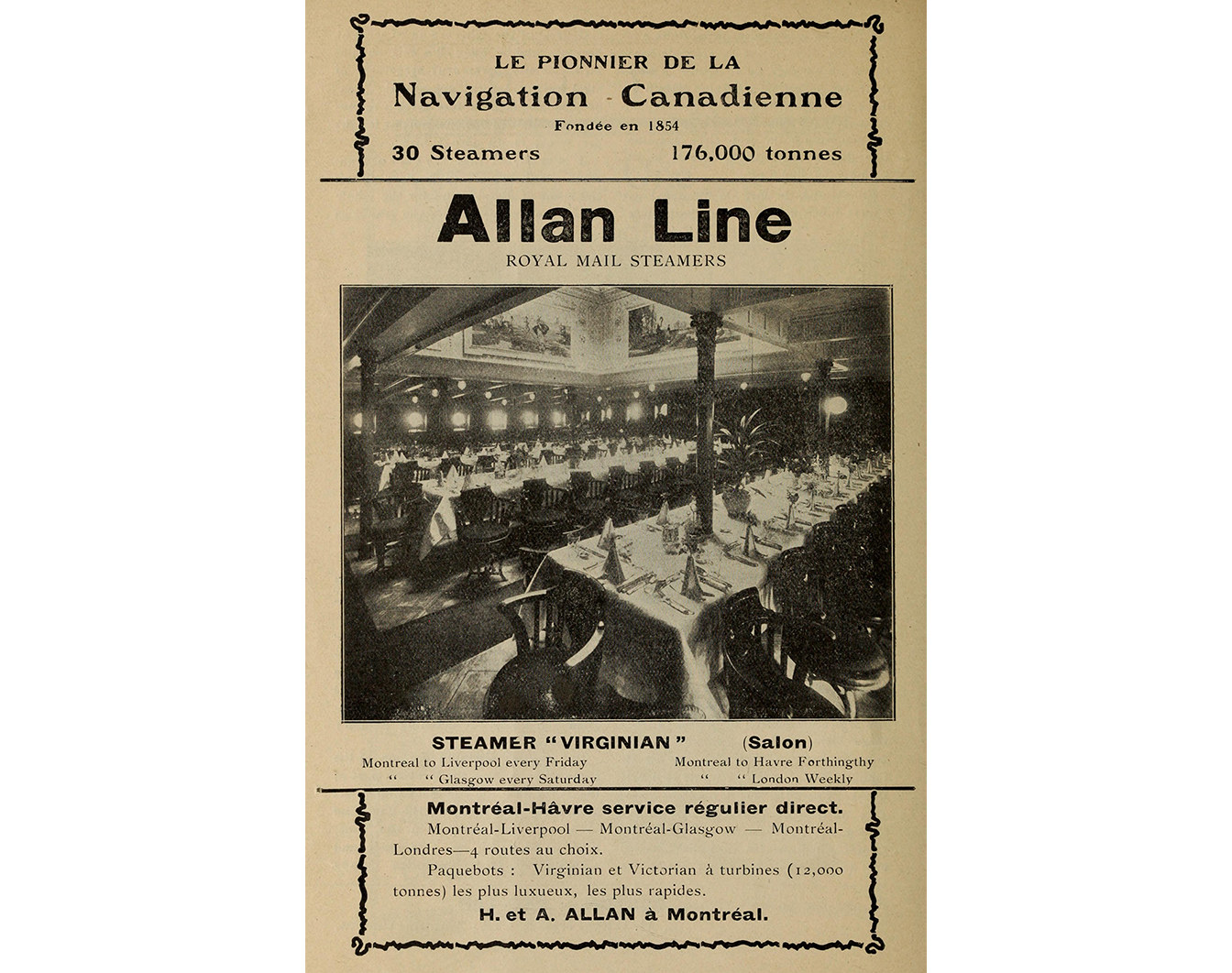
THE S.S. NUMIDIAN

Built in 1891, by D.&W. Henderson Co. Ltd. in Meadowside, Glasgow, the SS Numidian was a British steel steamship used as part of the Allan Line transatlantic fleet. The Allan Line, originally founded by Captain Alexander Allan of Scotland in 1819, was a privately owned shipping company that operated steamships across transatlantic routes to and from ports in the UK (Glasgow, Londonderry, Belfast, Liverpool, and London), Canada (Quebec, Montreal, St. John’s, and Halifax), and the United States (Portland, Boston, New York, Philadelphia, and Baltimore) throughout the 19th and early 20th century. The SS Numidian had a carrying capacity of 1,180 passengers (100 first class, 80 second class, and 1,000 third class). On August 20, 1891, it made its maiden voyage from Liverpool to Quebec. Its final voyage was to Boston in 1914, before it was sold to the British army to be used as a blockship (a ship that is deliberately sunk to block a channel of water) during World War I. Advertising for the Numidian suggested that it was one of the lowest cost ways for immigrants to cross the Atlantic at the time.

1899

The official passenger record for the voyage that Joseph Kalikow took aboard the SS Numidian

1908

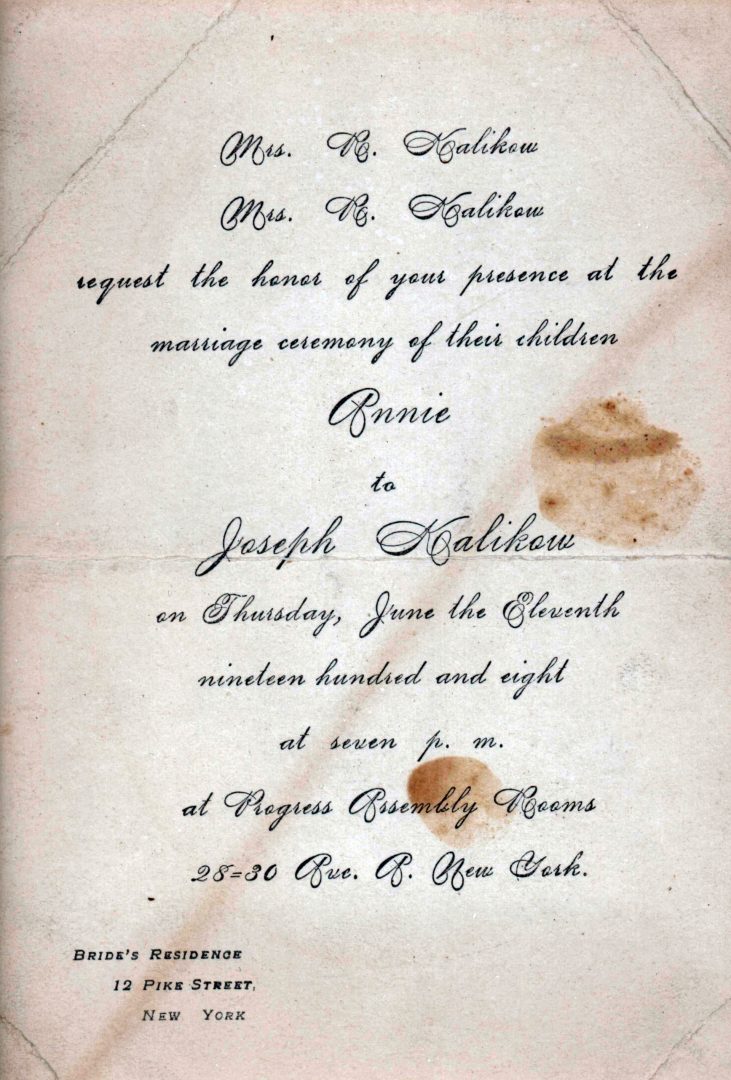
Joseph and Anna Kalikow’s original wedding invitation

1908

The marriage affidavit of Joseph and Anna Kalikow. Although Joseph had already changed his last name to the Americanized version, "Kalikow", Anna continued to use her Russian surname “Kulakofsky” until officially marrying Joseph.

Like many immigrants eager to integrate into the American way of life, Joseph Kalikow, at the request of his mother, took night classes to learn “proper” English. At the same time, he began working in the garment industry manufacturing clothes with his brothers.

In June 1908, at the age of 25, Joseph Kalikow married his cousin Anna Kalikow. He was living on the Lower East Side at 16 Pike Street at the time and Anna at 12 Pike Street. One year later, on July 3, 1909, Anna Kalikow gave birth to their first son, Harold. The couple later had four more children: Mollie (Jan. 23, 1912), Nathan (May 6, 1914), Lillian (April 8, 1916), and Sidney (Feb. 10, 1918).

Mollie and Lillian Kalikow both passed away at young ages. Mollie died in 1930 due to an illness, and Lillian died in 1937, a few days after giving birth to her daughter, Roberta.

1911

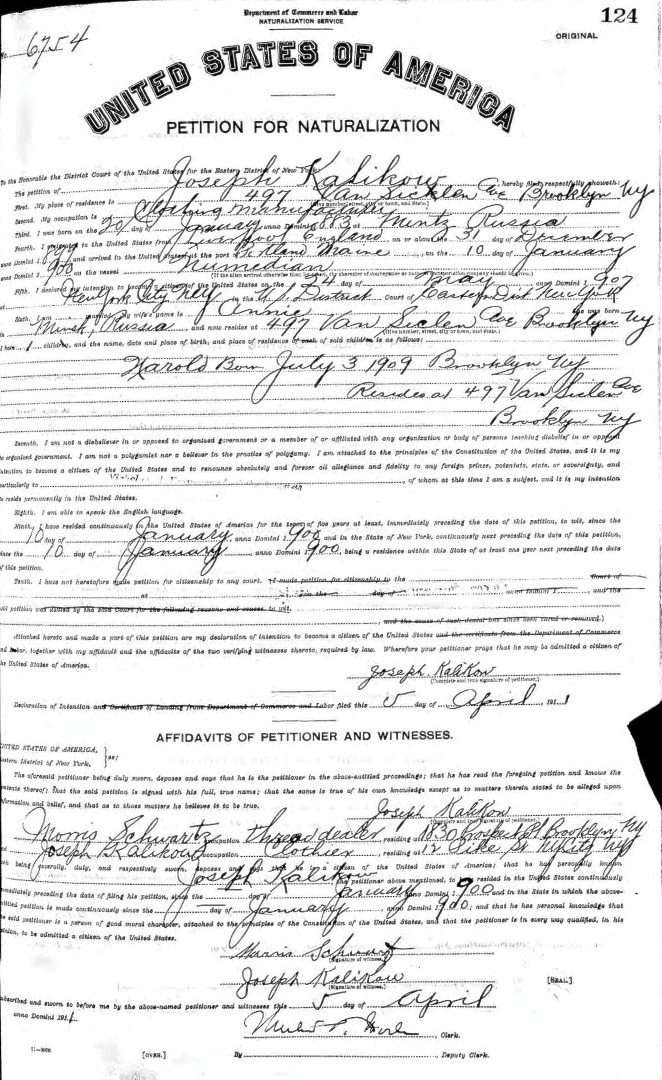
Joseph Kalikow’s original Petition for Naturalization (1911). The document shows Kalikow’s occupation, residence, date of birth, and marriage status, as well as the dates of his voyage on the Numidian. He became an official citizen of the United States on April 5, 1911, eleven years after his arrival in the country.

Over the next few years, Joseph Kalikow worked hard, expanding his operations in the garment industry, opening up multiple clothing factories, and earning a steady living for his family.

In 1910, Joseph, Anna, and the rest of the Kalikow family moved to 491-497 Van Siclen Avenue, Brooklyn. Here, they continued to build strong ties with the Jewish community, particularly in Borough Park, where they were involved in several Jewish institutions and organizations.

Then came 1914: a year that changed the history of the world as well as the history of the Kalikow family.

THE GARMENT INDUSTRY

Many Jewish immigrants, like Joseph Kalikow, got their start in America by working in the garment industry. For several Jewish immigrants, garment manufacturing was the ticket to the American Dream. During the 1840s and 1850s, larger numbers of Jewish immigrants from Eastern Europe and Germany began immigrating to the United States. With them, they brought along new business strategies that would help to revolutionize the industrialization of the garment industry by increasing the supply and demand. By the 1870s, garment factories were predominantly owned by Jewish immigrants, and in 1897, approximately 75% of the workforce was also Jewish. By the 1910s, almost all garment factories in New York City were owned and operated by Russian Jews, like Joseph Kalikow and his family.

1917

An original passage from Distinguished Jews of America (1917), detailing Joseph Kalikow’s early life and accomplishments in the garment industry

One Times Square

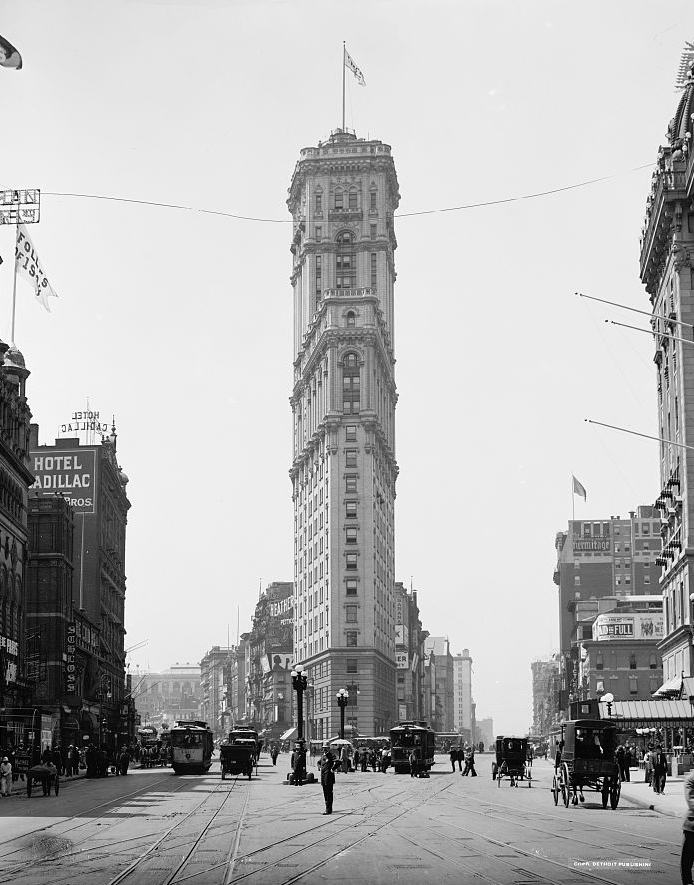
One Times Square was constructed between 1903 and 1904 as the designated headquarters for The New York Times. In the later 1800s, the surrounding neighborhood, originally known as Long Acre Square, named after London’s carriage district, was nothing more than an open space with gaunt apartments around it. In 1880, Thomas Edison established the Edison Electric Illuminating Company, which would begin bringing electric light to Manhattan. Lit theater advertisements and streetlights soon occupied the area, making it safer and more desirable for commercial and residential tenants.

Then came the creation of the Interborough Rapid Transit Company (IRT) and the first subway systems across Manhattan, including the Times Square-42nd Street station as we know it today. The subways gave New Yorkers greater mobility than ever before, and businessmen like Adolph S. Ochs, the owner and publisher of The New York Times from 1896 to 1935, saw the potential profits that the increased foot traffic would bring. He used this opportunity to build a tower in the most visible location at the intersection of Broadway, Seventh Avenue, 42nd Street, and 43rd Street. It was the second-tallest building in the city at the time.

In the spring of 1904, following the completion of the Times Tower, NYC Mayor George B. McClellan signed a resolution to rename the intersection from Long Acre Square to Times Square. Although The New York Times outgrew the building eight years later, Ochs would leave behind a lasting tradition: the Times Square New Year’s Eve Ball Drop. Ochs coordinated the first event in 1907 to celebrate the building. The Ball has since been lowered every year except for 1942 and 1943, when the ceremony was suspended due to wartime dim-outs.

1908

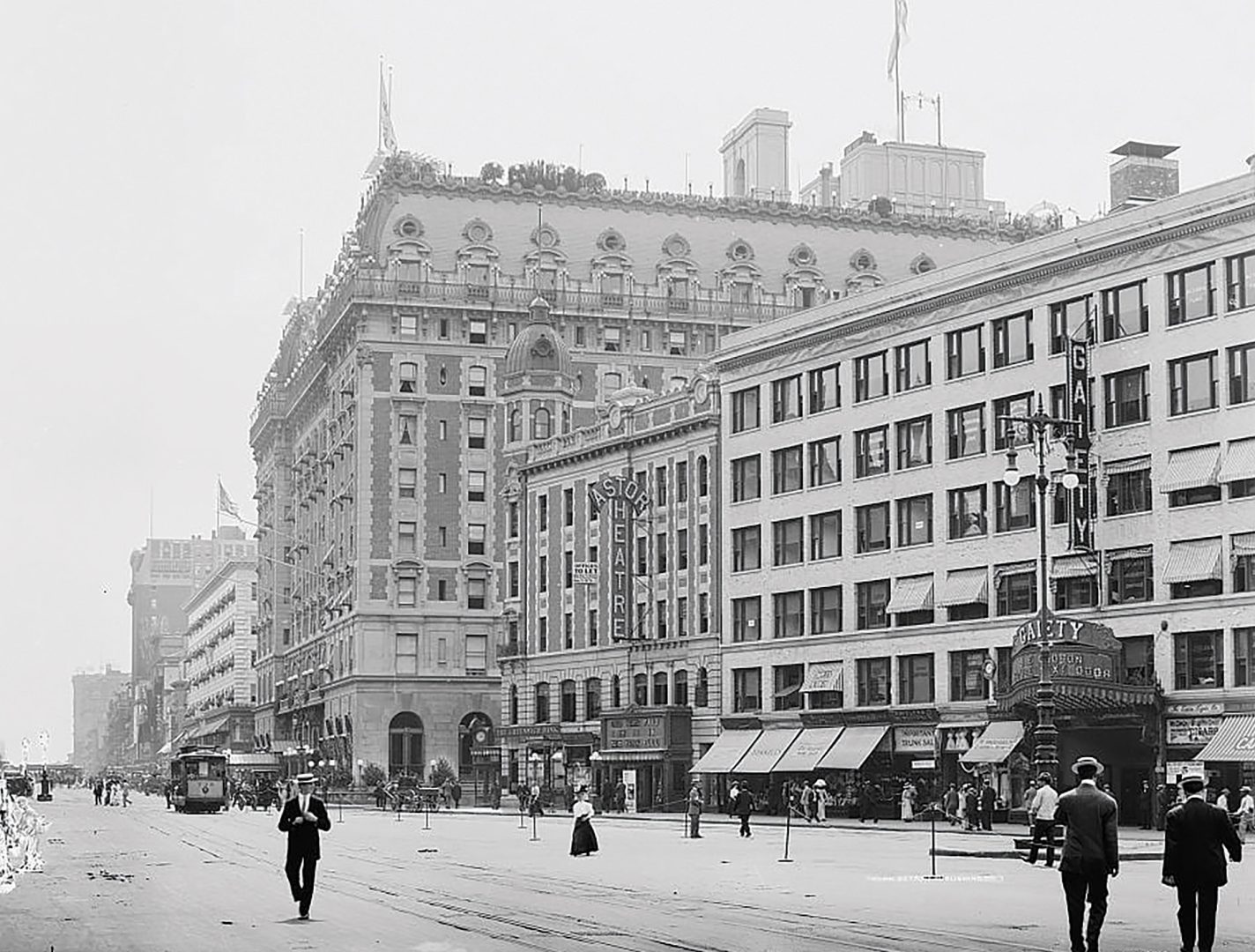
One Times Square, a few years after its completion

1900

Long Acre Square before it was officially renamed Times Square

1907

The first New Year's Eve Ball Drop

HJ Kalikow has play ed its own role in the iconic and rich history of the One Times Square building. In 1995, the financial firm Lehman Brothers acquired the building. HJ Kalikow was involved in the deal and helped to manage the building over the next few years.

Today, One Times Square is one of the most prized advertising locations in the world as it is covered in the ever-changing billboards of prominent companies. However, until 1995, the building facade was untouched by advertisements. Lehman Brothers, after purchasing the building, concluded that it was too small to be profitable as an office building, and marketed it as a location for advertising instead. According to HJ Kalikow executive Richard Gurvitz, Peter Kalikow executives who were there at the time, Peter Kalikow was the one who proposed the original idea to utilize the building’s location in this way.

“The true value was in the billboards,” said K alikow of One Times Square.

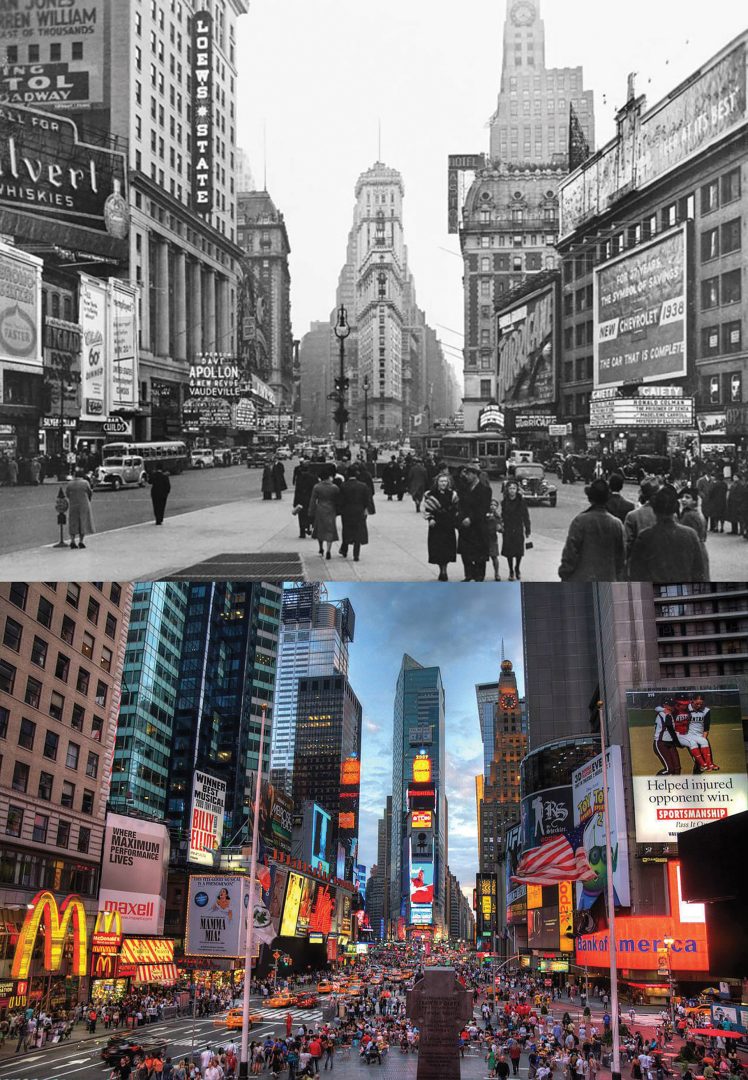
A grid frame was soon added to the exterior of the bui lding for mounting billboard signs, and One Times Square became one of the world’s most sought-after and lucrative advertising locations.

Times Square pictured in 1938 (above) and in 2009 (below). Billboards were first added to the One Times Square building in 1995 under the direction of Peter Kalikow and HJ Kalikow.

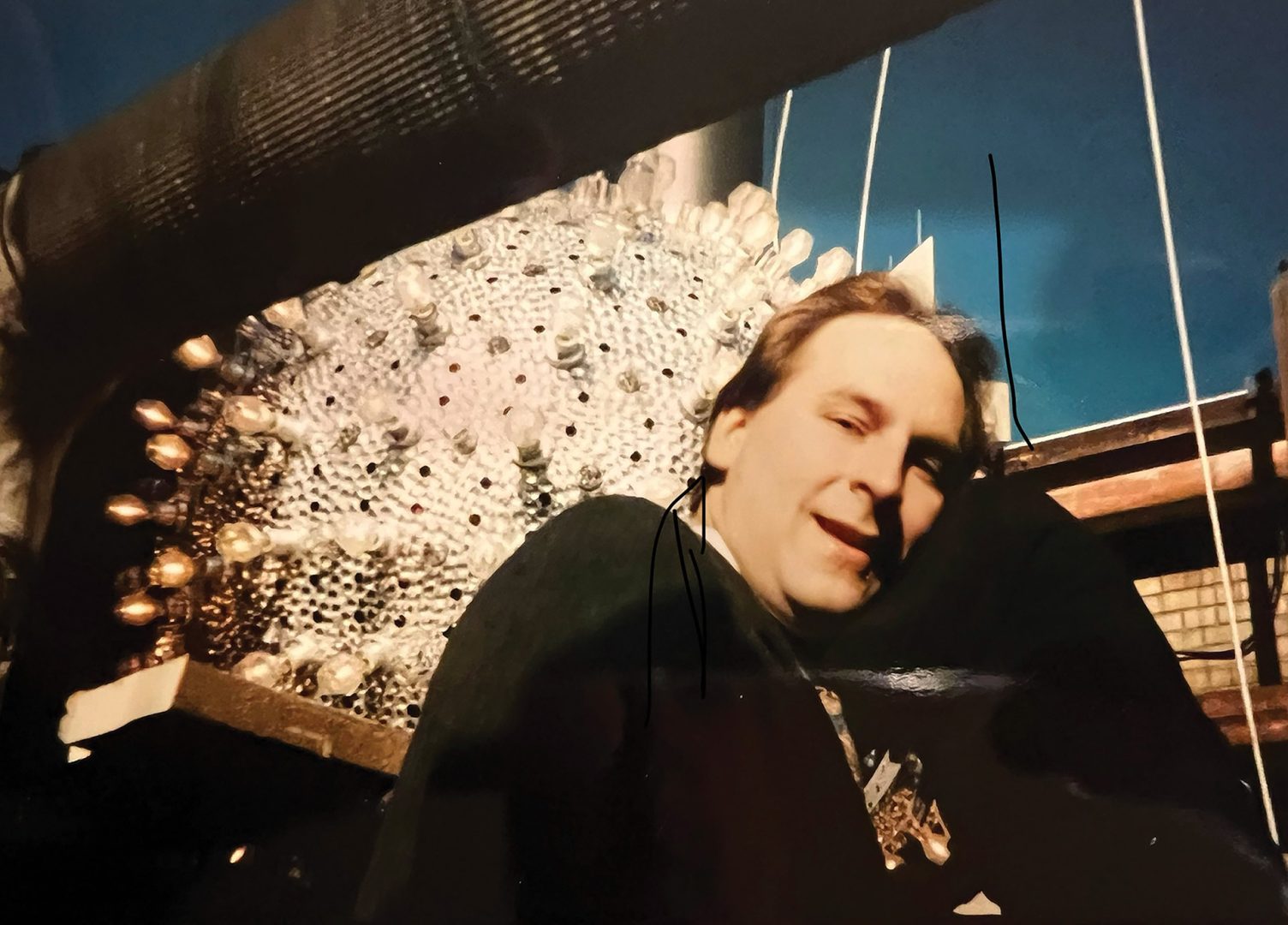
HJ Kalikow Vice President of Real Estate, Richard Gurvitz, with the New Year's Eve Ball in the 1990s

The true value was in the billboards.”

Peter Kalikow