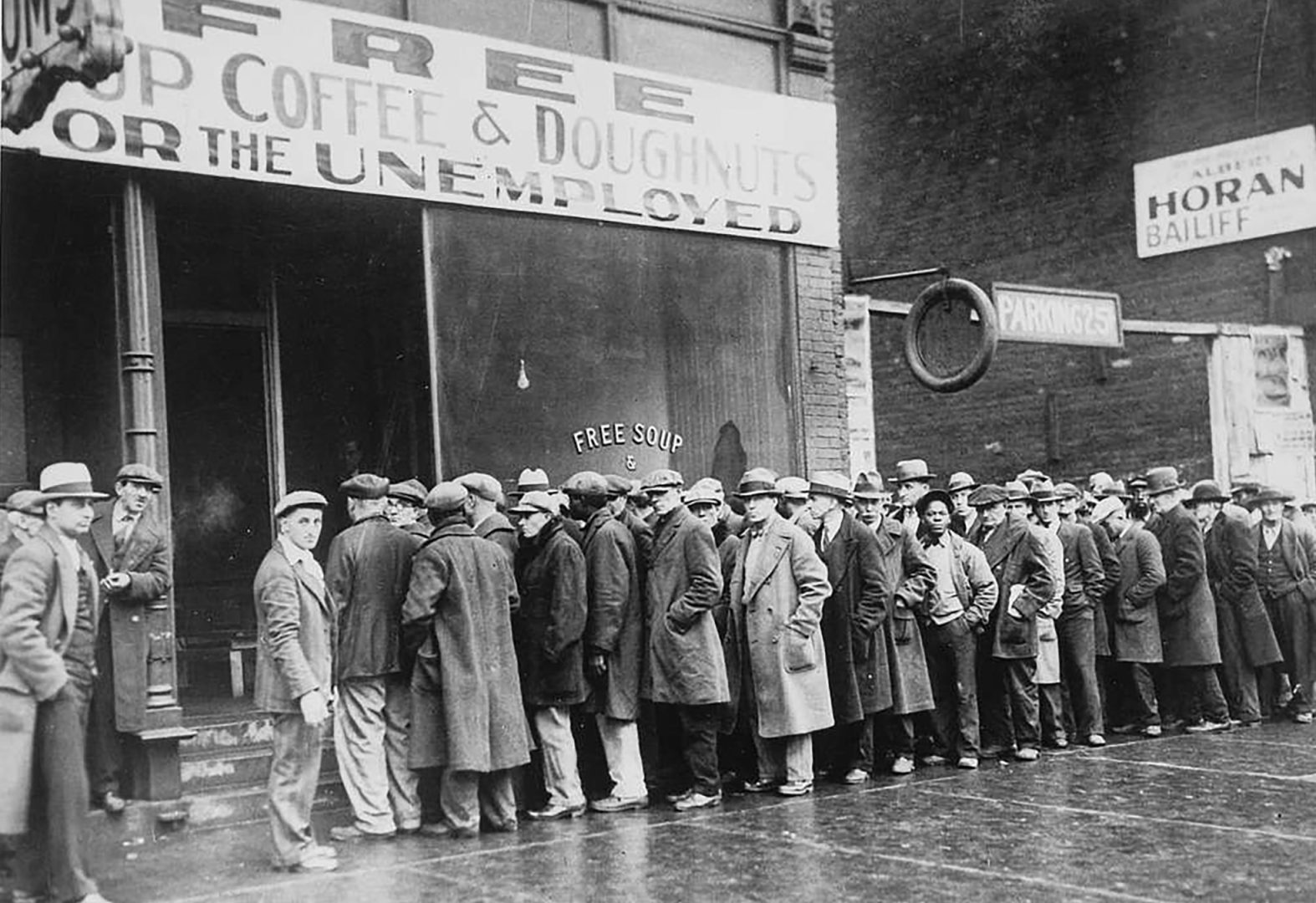
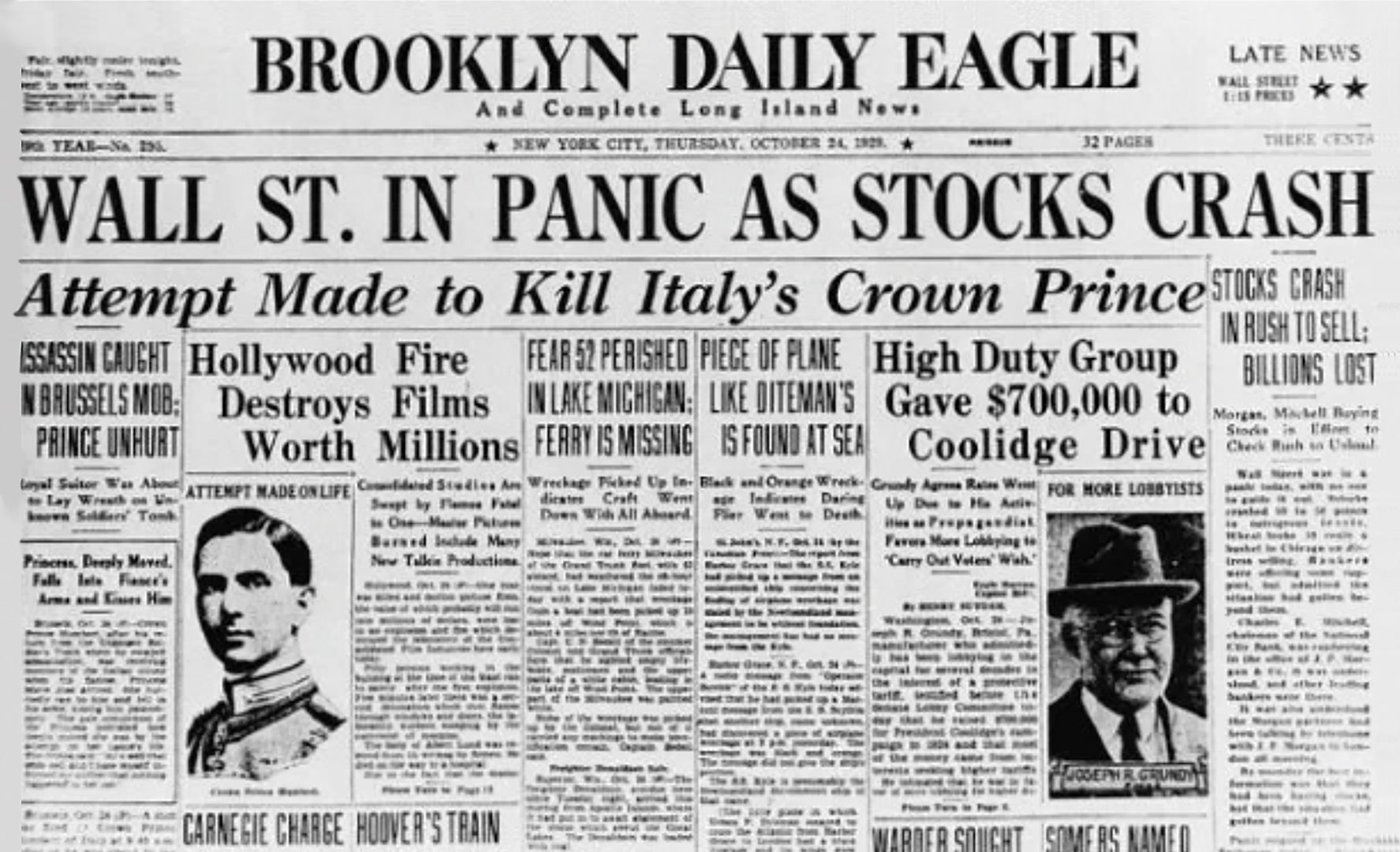
After the stock market crash of 1929, many of Joseph Kalikow’s tenants were financially ruined and could not afford to pay their rent, leading the banks to foreclose on most of Kalikow’s properties.
Joseph Kalikow used to recall how people would come up to him afterwards in shock, asking how he could have lost his buildings if he wasn’t in the market. “I wasn’t, but my tenants were,” Kalikow would respond. With only one building left in his portfolio and little cash on hand, he was unable to continue developing real estate.
One fortunate meeting helped Joseph Kalikow restart his construction projects.
The Kronish Deal
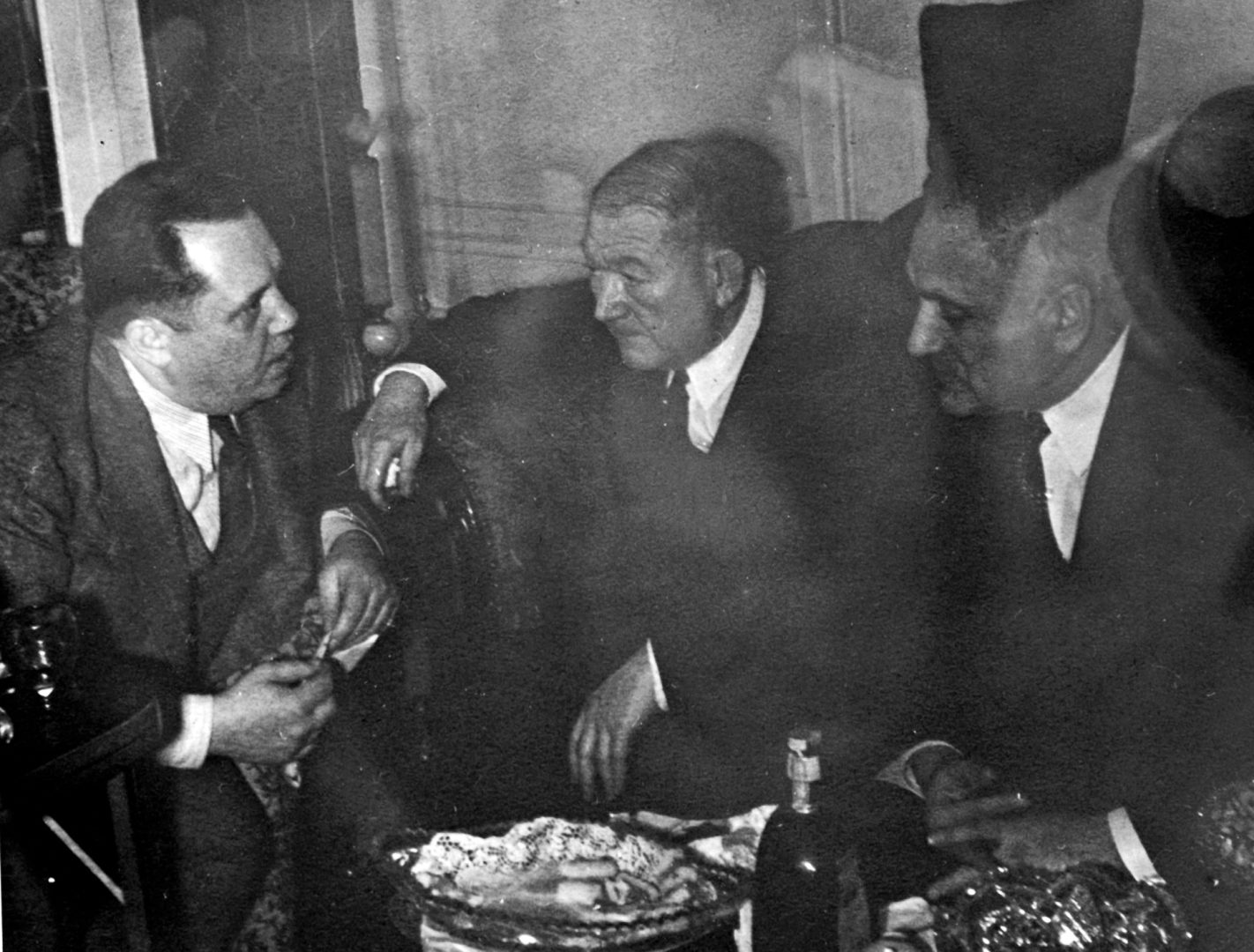
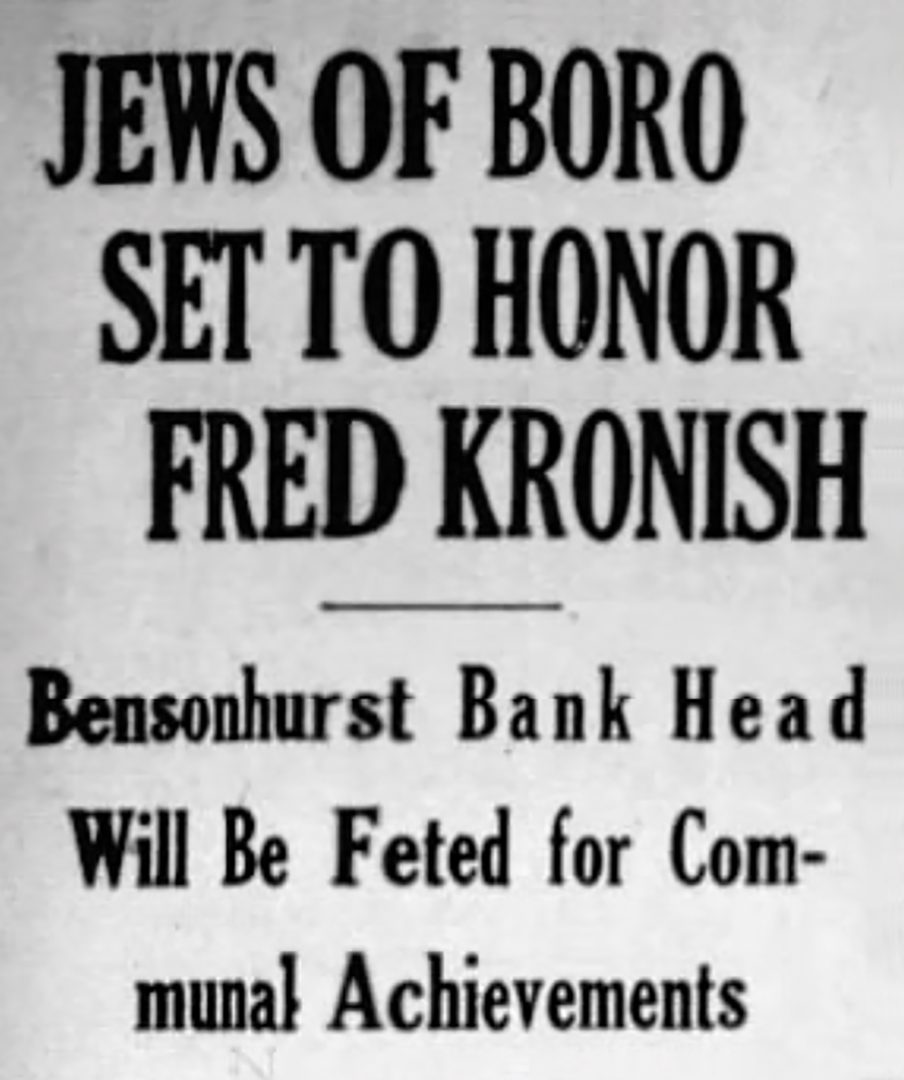
According to Peter Kalikow, a successful businessman in the community, Fred Kronish, owned a coal delivery company around the time of the crash. Like Joseph Kalikow, Kronish, a Jewish immigrant, had gotten his start in the garment industry upon his arrival in America.
In 1929, just months before the stock market crash, Fred Kronish sold his company and traveled to Europe, thus minimizing the financial effects of the crash for himself. Upon his return, he bought the Bensonhurst National Bank, which was run by President Nathan A. Barell.
Kronish, who was eager to dive into real estate development, asked Barell with whom in the industry he should connect. Barell responded with the name Joseph Kalikow, whom he called “the best builder in the business.”
Fred Kronish and Joseph Kalikow struck a deal that the Kalikows refer to as the “Kronish Deal.”
Kronish agreed to finance development projects, and Kalikow would be responsible for building them in exchange for a 50/50 split of the profits.
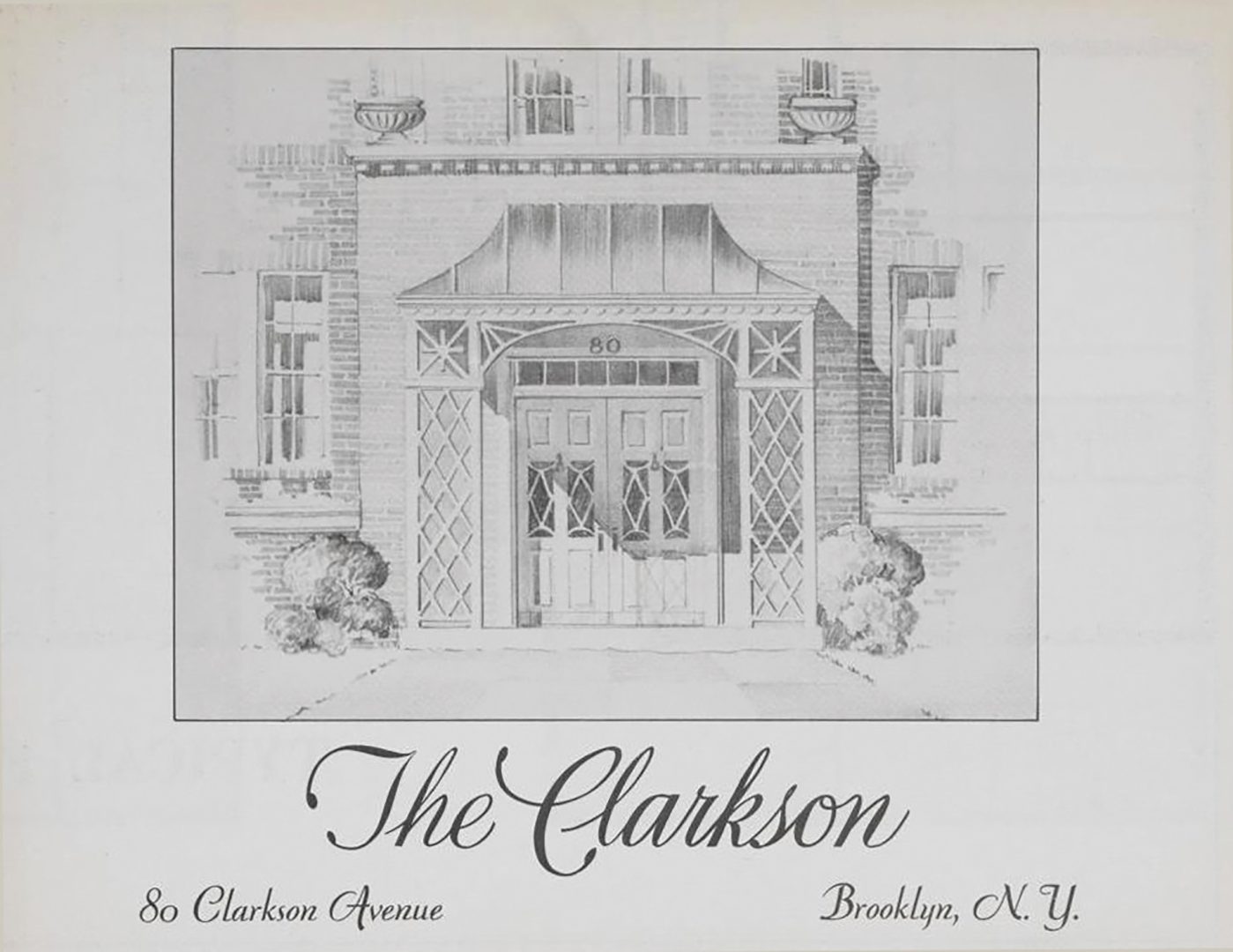
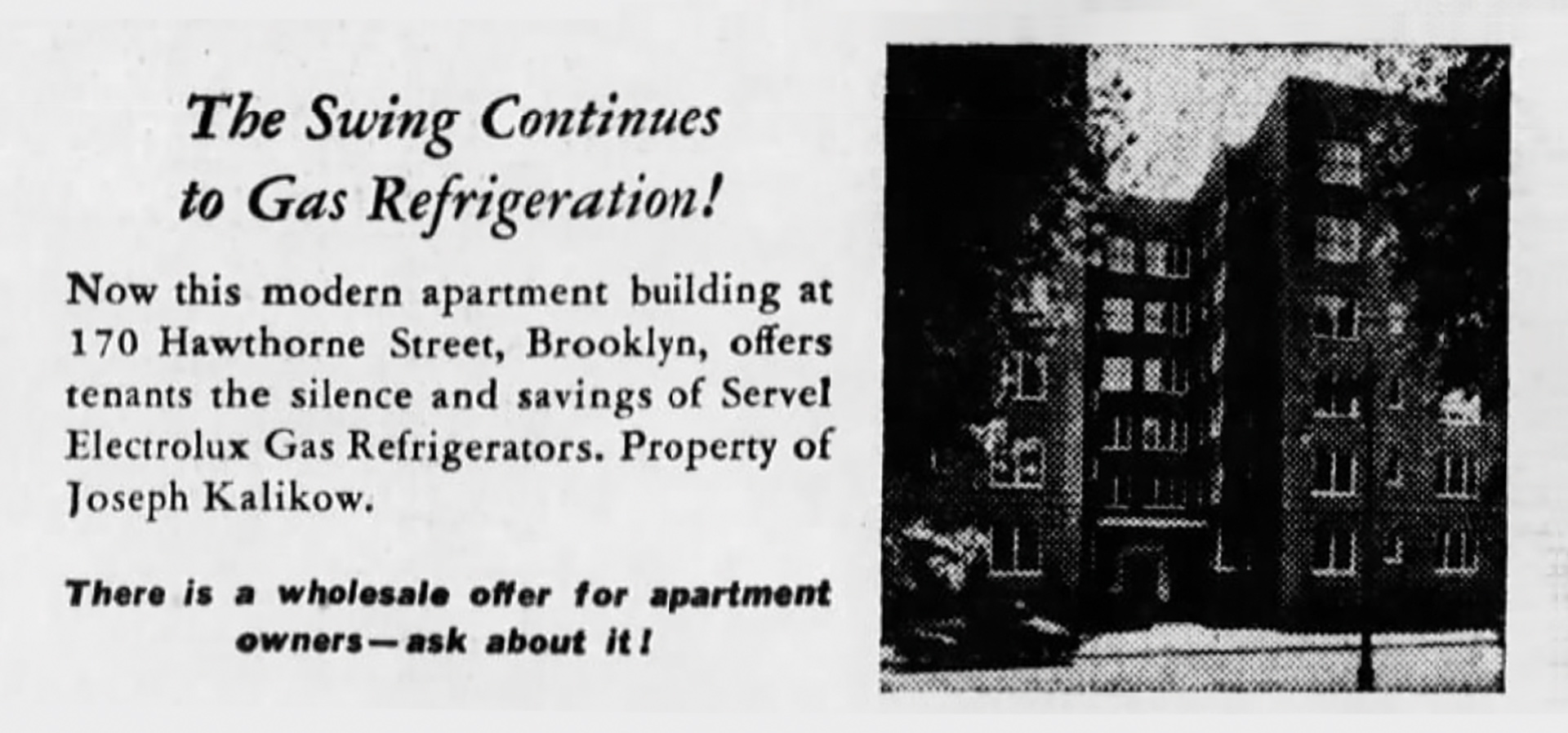
As partners, the duo began developing apartment buildings throughout Brooklyn, completing their first, 711 Brightwater Court, Brighton Beach, in 1935. This was followed by 140 Eighth Avenue, Park Slope (1936); Clarkson: 80 Clarkson Avenue, Flatbush (1938); 100 Woodruff Avenue, Flatbush (1941); 170 Hawthorne Street, Prospect Lefferts Gardens (1941); and several others.
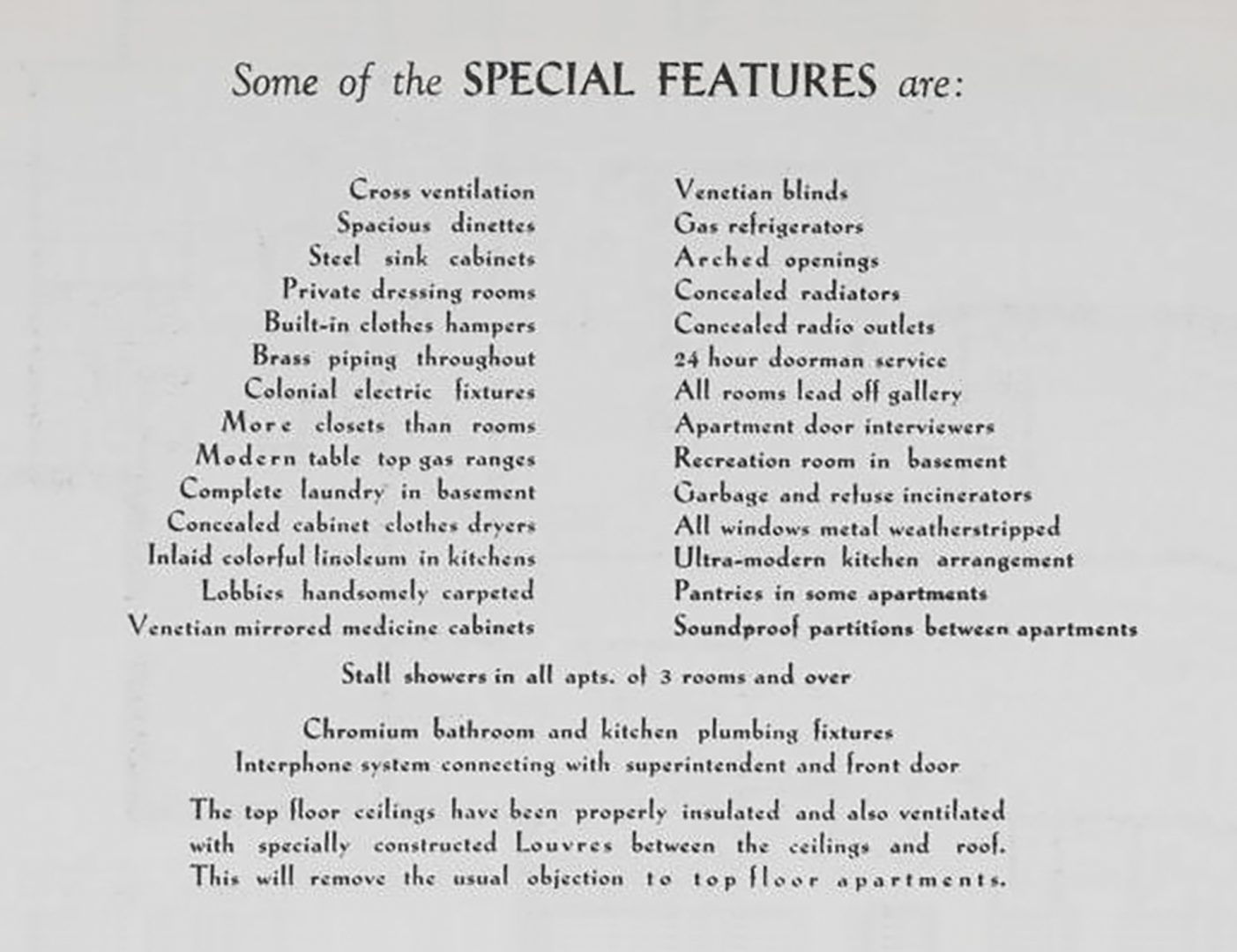
The six-story apartment buildings, featuring efficient automatic elevators, were considered modern at a time when standard four-story apartment buildings did not have them.
Other innovative features of these apartments included carriage rooms (storage rooms in the building for strollers and bicycles), large windows situated in the kitchen rather than the dining room, and modern appliances.
It was during the early 1930s that Harold Kalikow, Joseph’s oldest son, joined his father and began to take a prominent role in the company. 140 Eight Avenue (1936) was the very first building Harold Kalikow was designated by Joe to oversee. Joseph’s middle son, Nathan, and youngest son, Sidney, would also take on roles within the family business in the decade to come.
In time, Joseph Kalikow turned his ambitions to Queens, buying expansive tracts of empty farmland to develop, particularly in Forest Hills. Most of that land was split in partnership with Fred Kronish, but Kalikow kept some land exclusively for himself, including a tract of land in Briarwood.
From 1941 to 1942, Joseph Kalikow and Fred Kronish developed three luxury apartment buildings in Forest Hills (Mayflower: 69-10 Yellowstone Boulevard; Normandy: 106-15 Queens Boulevard; and Lafayette: 69-40 Yellowstone Boulevard).
After completing these apartments, Kalikow and Kronish ended their professional development relationship, fulfilling Joseph Kalikow’s wish to work solely with his sons.
During their partnership, the two men developed more than a dozen apartment buildings throughout Brooklyn and Queens.
While Kalikow and Kronish stopped developing buildings together, they continued to co-own and manage the properties they built previously.
The Kalikow family and others in the Brooklyn real estate industry were heavily involved in Jewish philanthropic causes, donating substantial funds to serving in prominent roles within these organizations. The family’s dedication to these philanthropies was instilled in later Kalikow generations.
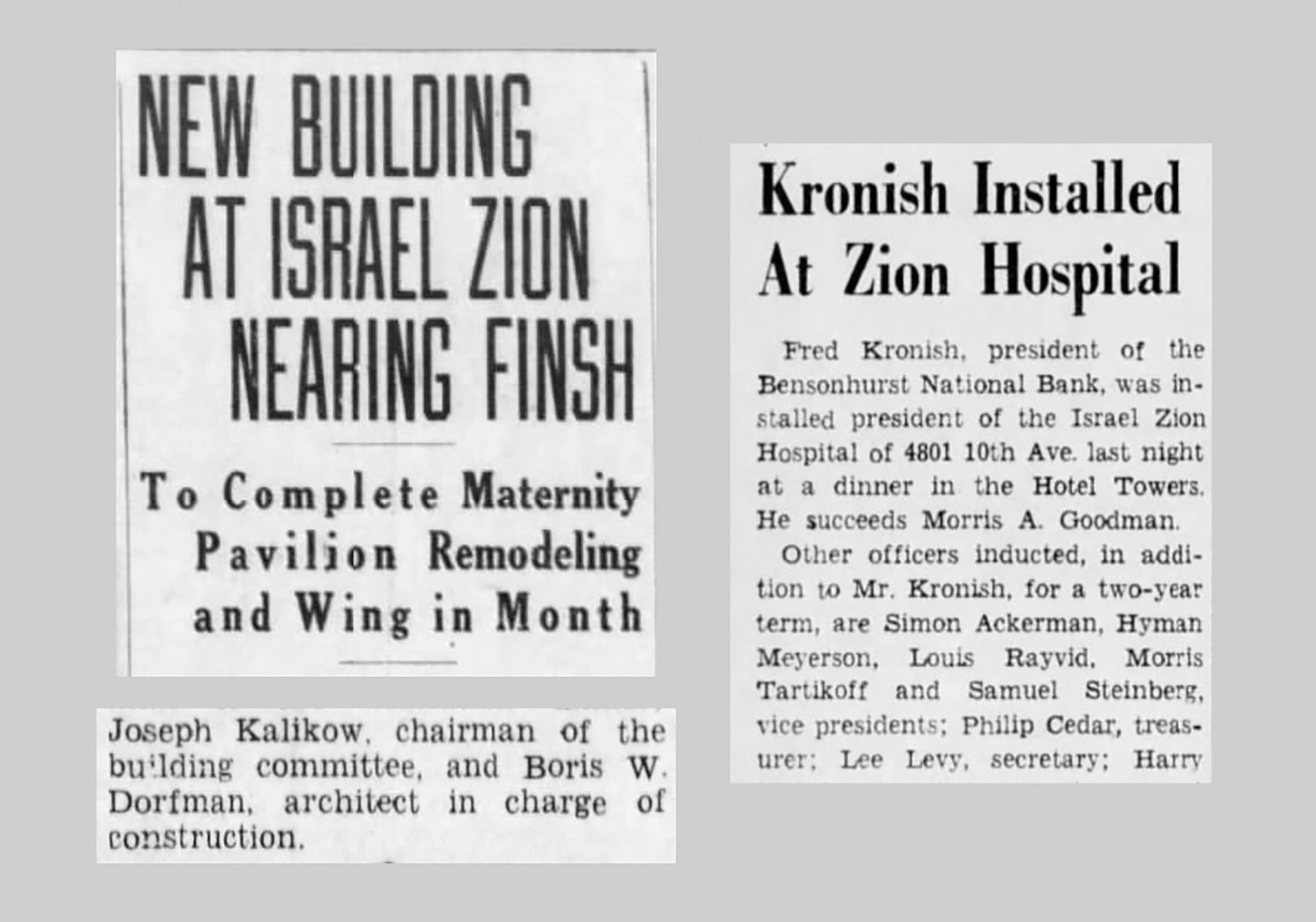
Kronish and Kalikow assumed leadership positions in many of the same Jewish organizations and institutions such as the Israel Zion Hospital and the Hebrew Institute of Boro Park. Founded in 1916, the Hebrew Institute of Boro Park, also known as Yeshivas Etz Chaim, was the first yeshiva in Borough Park, Brooklyn.
Joseph was elected as a director of the Israel Zion Hospital in 1931, and in 1933, he served as chairman of the building committee for an annex to the maternity pavilion. Kronish served a term as president of the hospital in 1939.