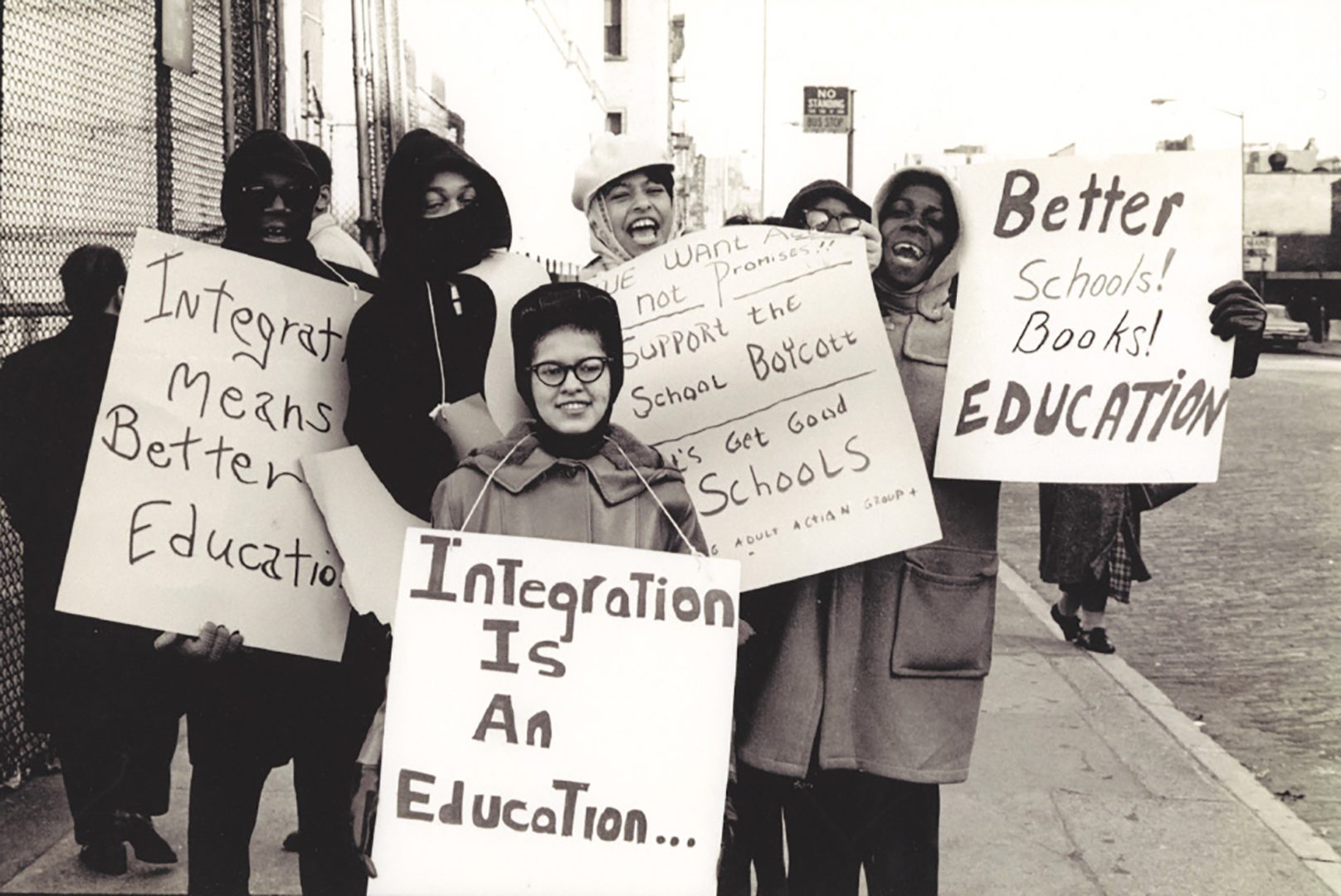
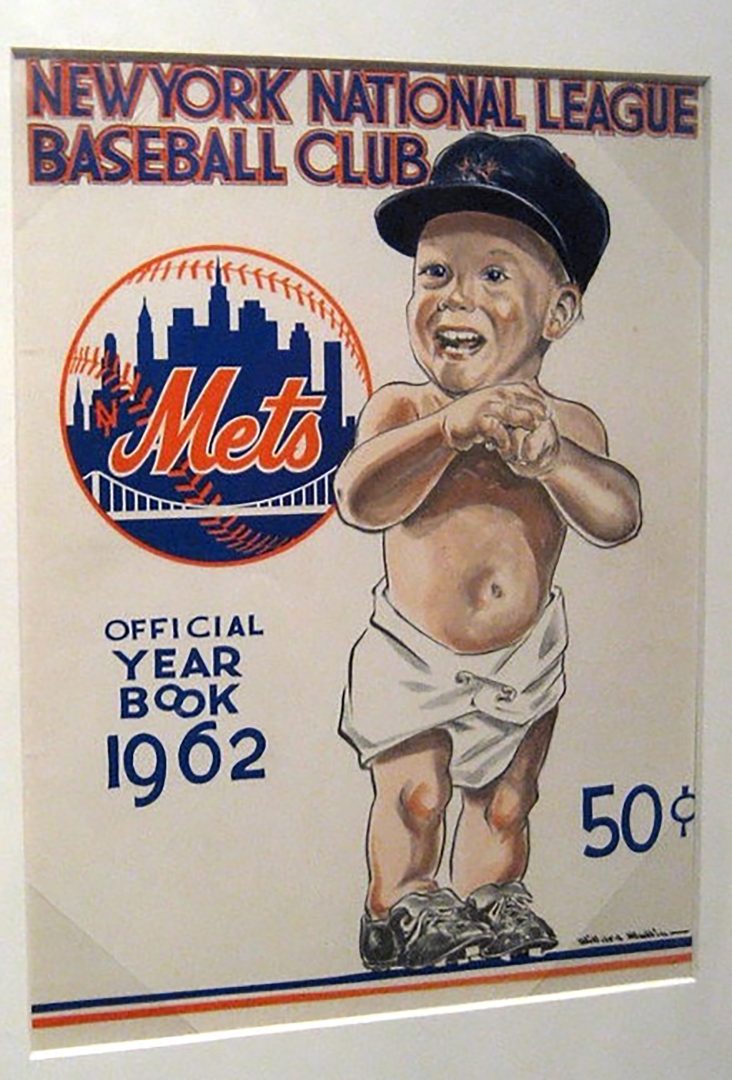
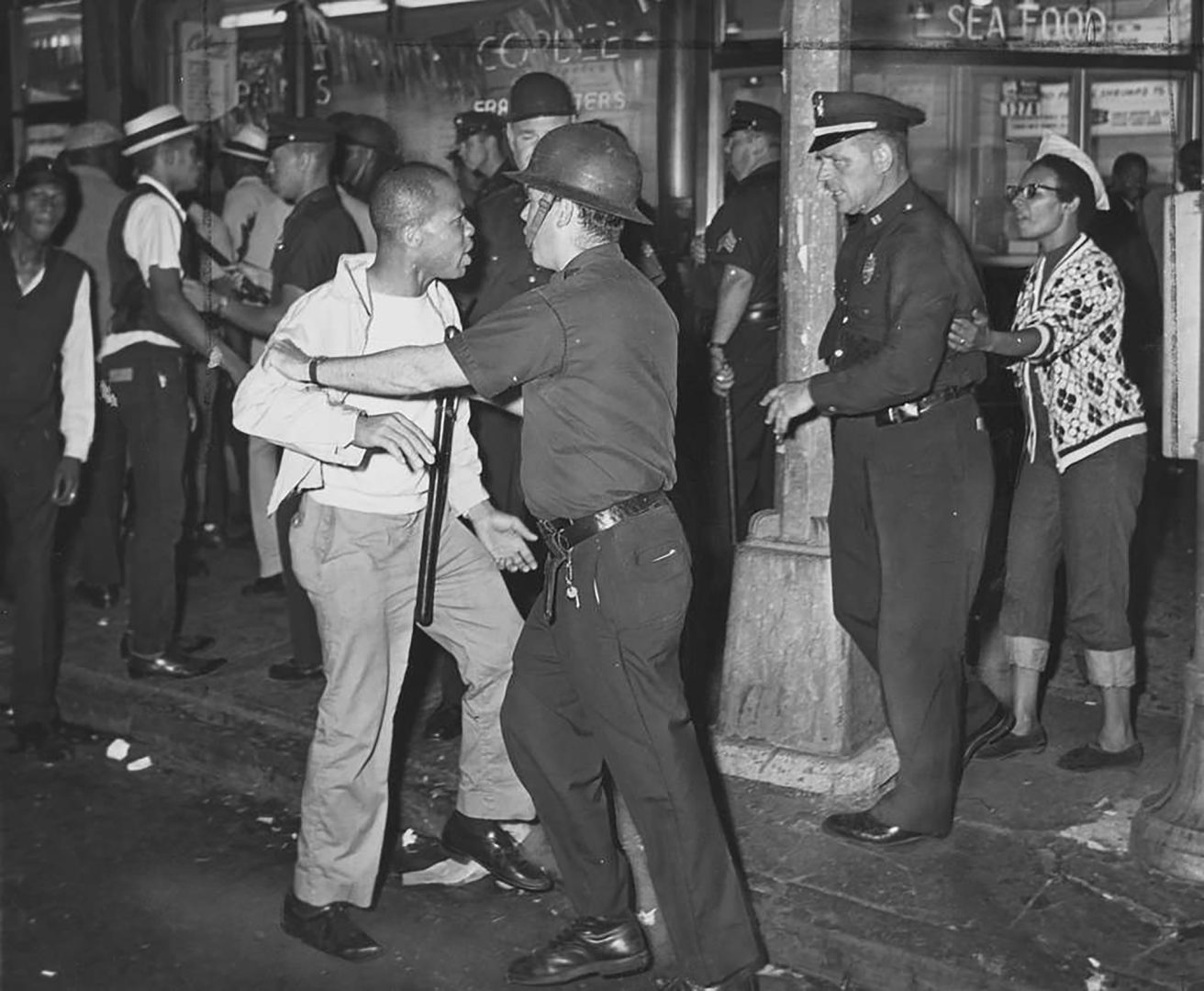
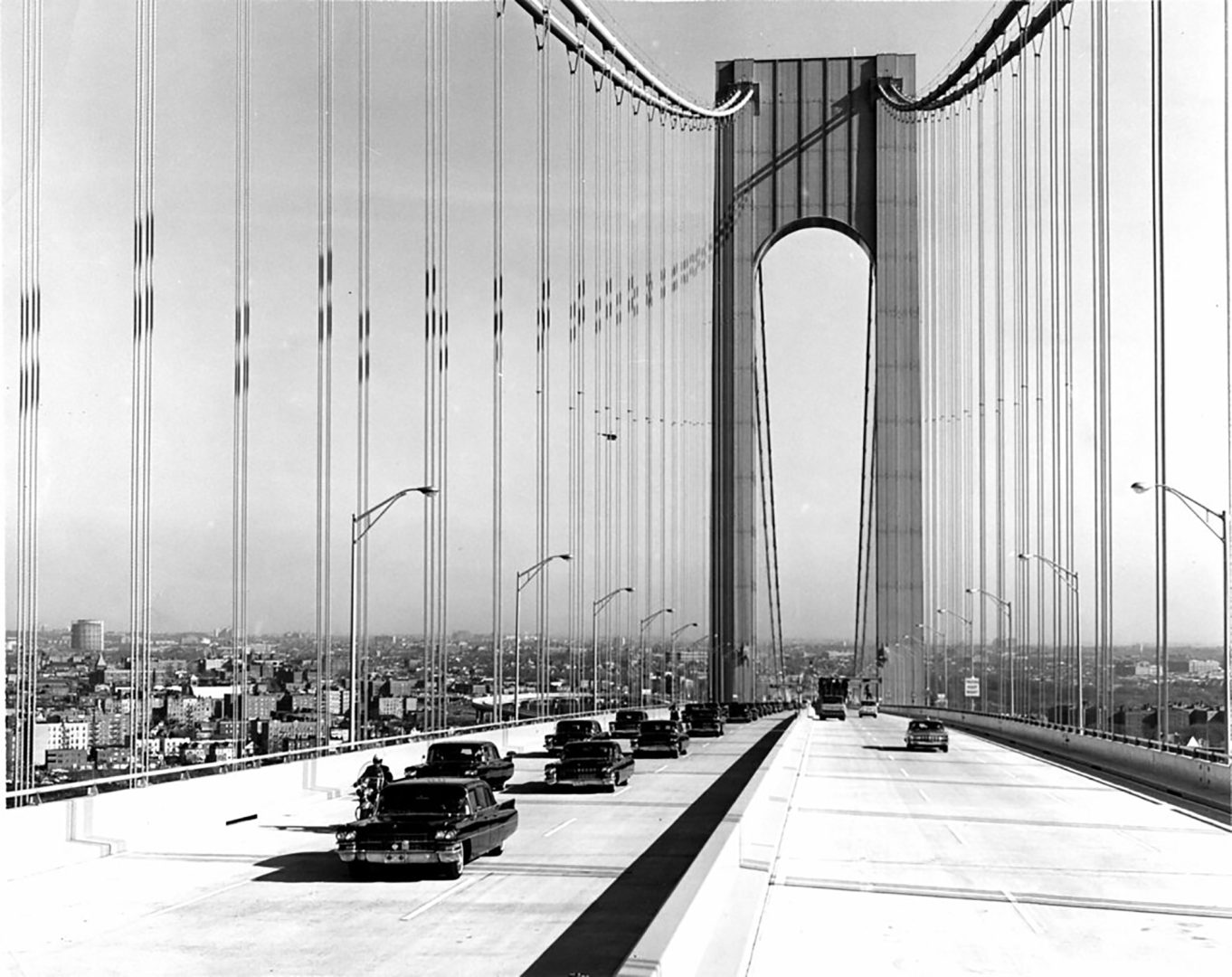
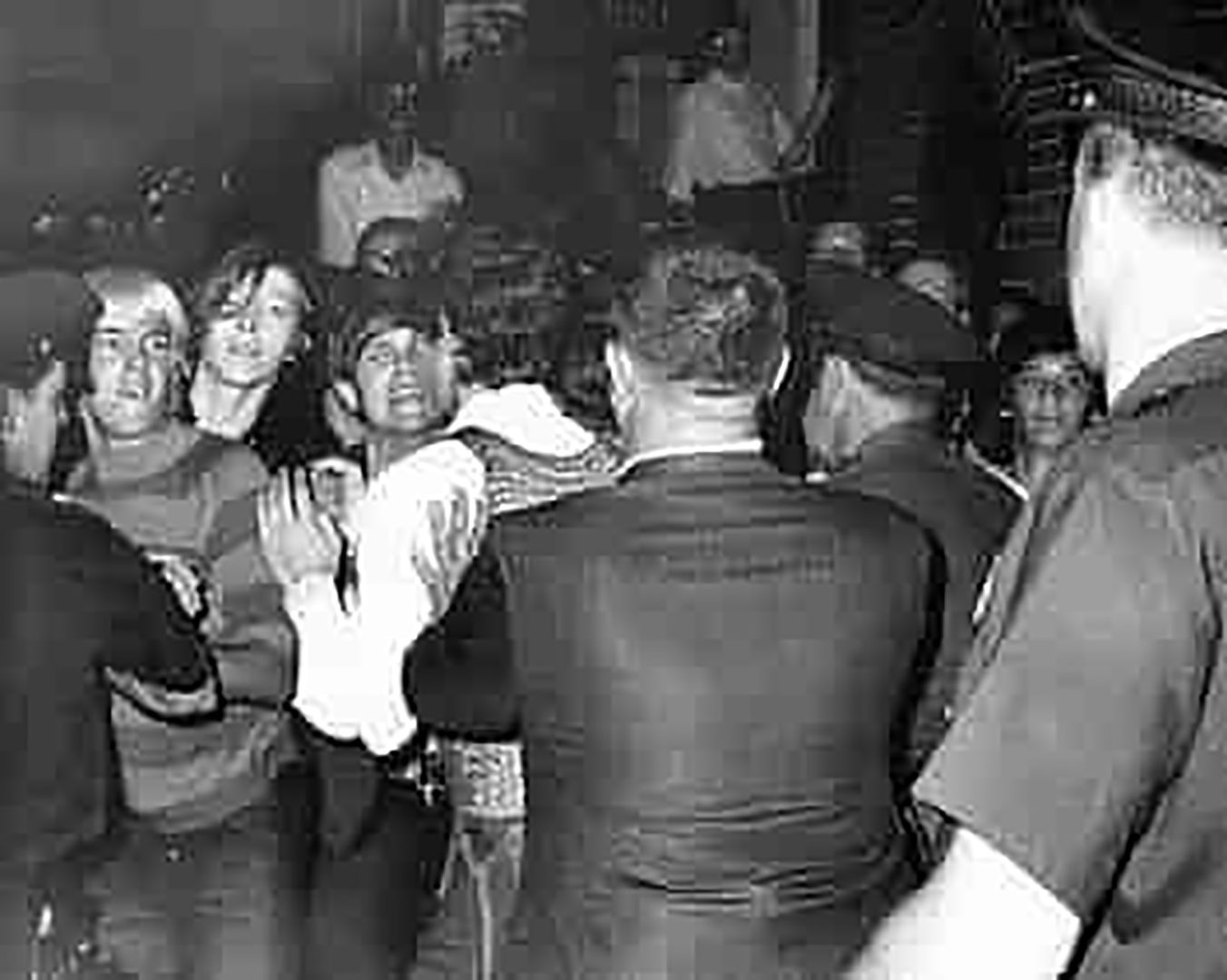
Economic and social conditions in New York City declined in the 1960s and 1970s. Middle-class residents increasingly fled to the suburbs. Blue-collar neighborhoods deteriorated as waves of crime and drugs took over the city, and social unrest was underscored by strikes and riots, as the city barreled toward a fiscal crisis.
“We didn’t really know what to do,” said Peter Kalikow about his and his father’s development plans after the company separation.
Eventually, Peter Kalikow identified a promising property for sale in the up-and-coming Great Neck, Long Island, a suburb in Nassau County. First generations of families who moved there in the 1930s and 1940s now had adult children who wanted to remain in the area. However, they were not looking to own houses, and preferred, instead, to rent apartments.
With property development in his DNA, Peter Kalikow thought managing an apartment building would be relatively easy, but it turned out to be more complex than he had imagined.
“I had no idea what I was doing,” admitted Kalikow of his first real solo project. “I learned a lot of lessons.”
Originally projected at $3.2 million, the project ended up costing $4.2 million because of overruns. At one point during the project, Peter Kalikow began to doubt if he should even complete the building.
That’s when his mother told him the following: “I may not know much about real estate, but I do know that a half-finished building is worth zero, and a finished building is at least worth something.”
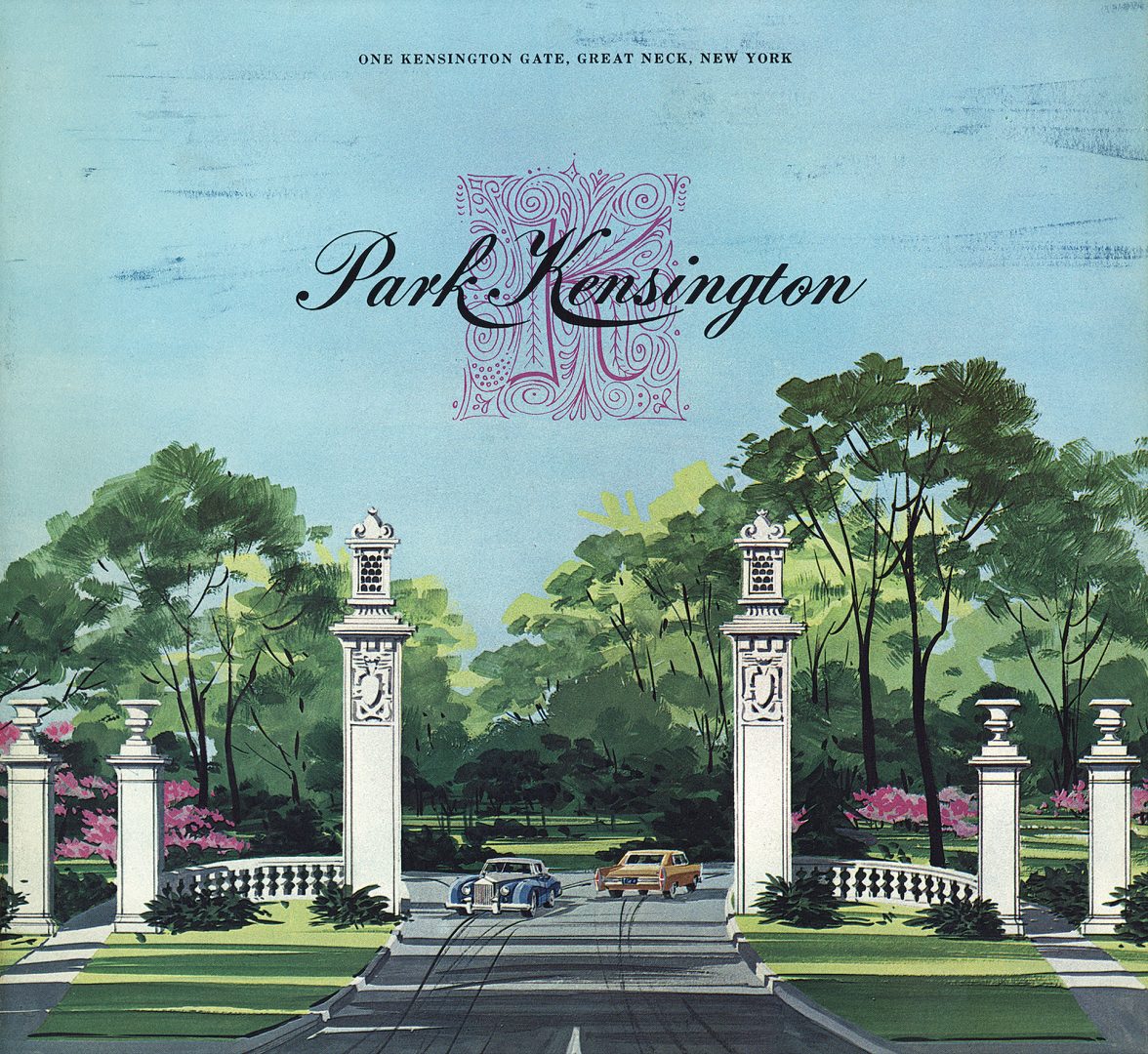
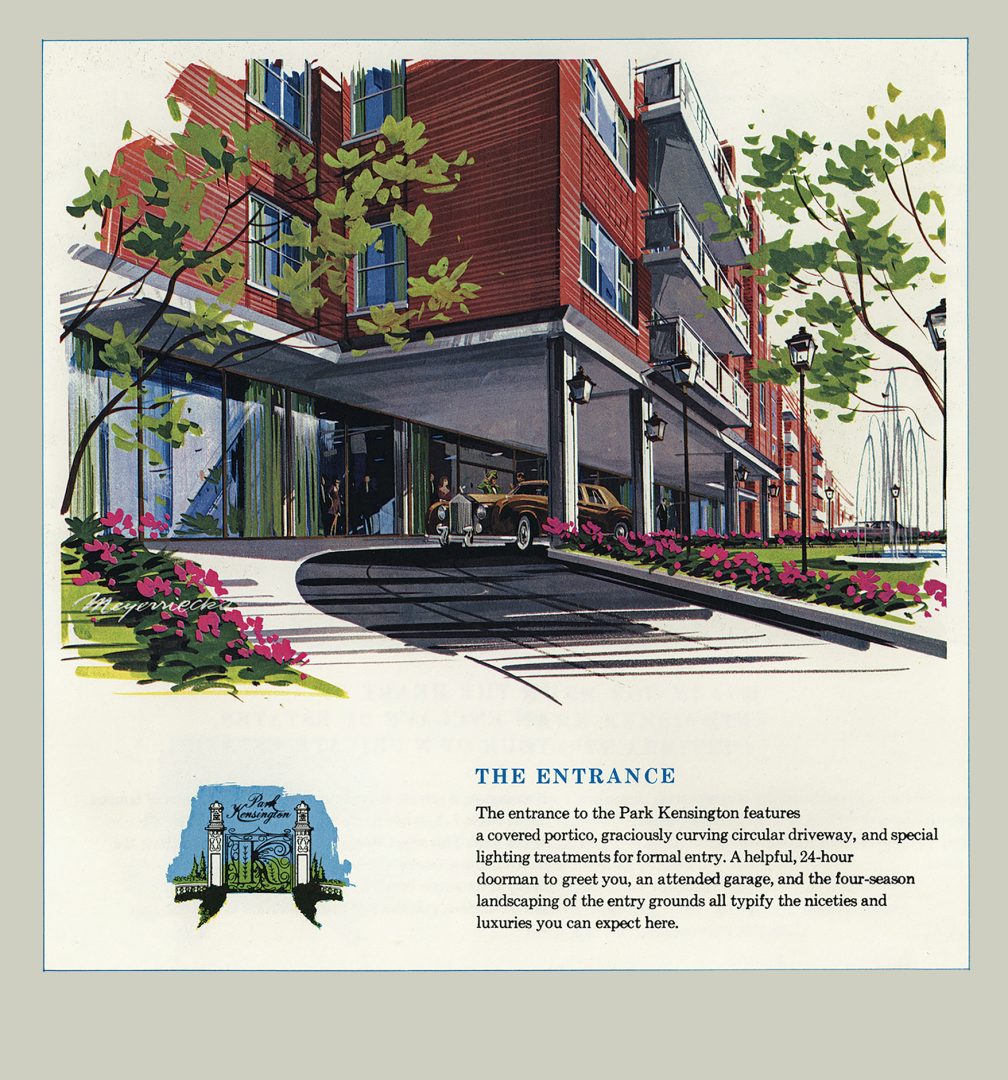
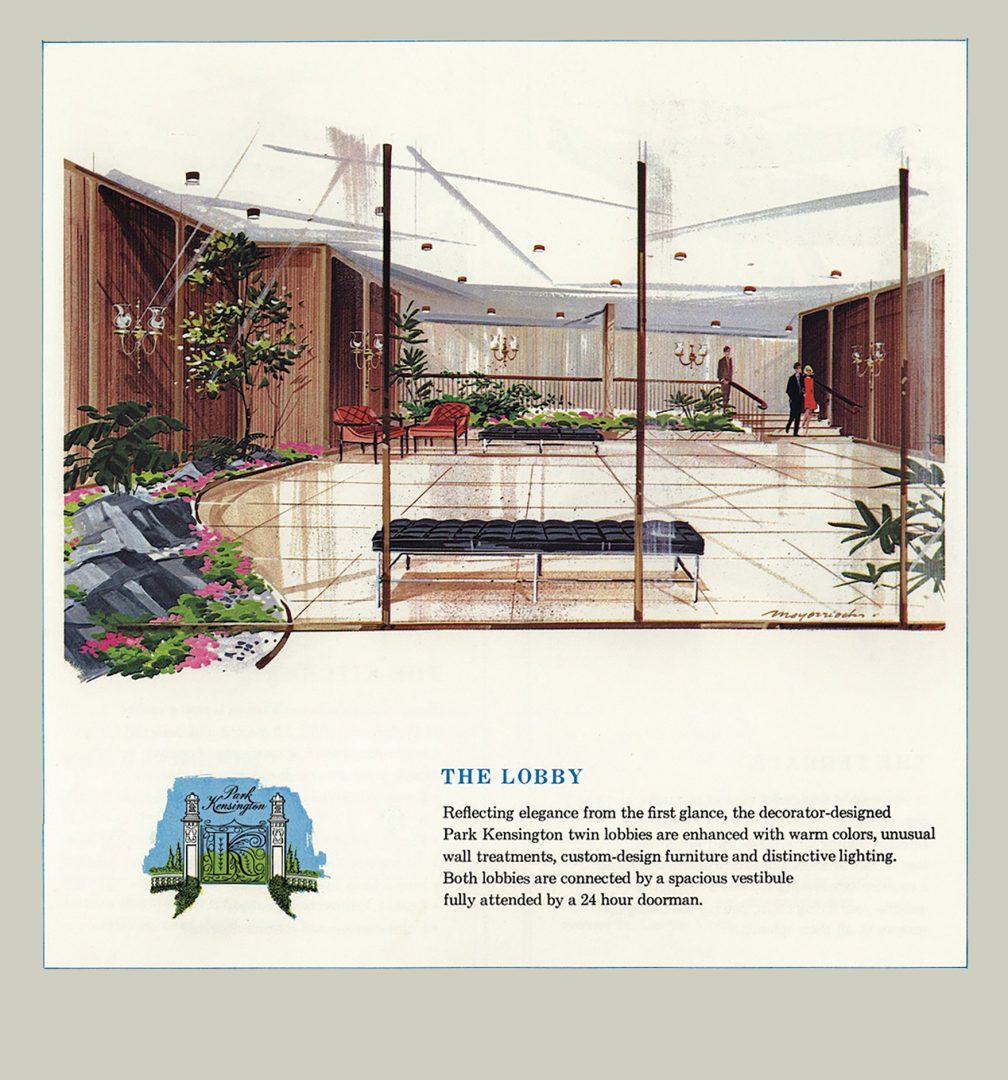
He completed the project, which became Park Kensington. According to Peter Kalikow, the moment he truly knew he had developed a good property was when Nathan A. Barell, the same banker who put Fred Kronish and Joseph Kalikow in business more than 30 years earlier, wanted to rent an apartment in the building, saying to him, “This is a building that Joe Kalikow would be proud of.”