Chapter Sixteen

MTA & 9/11

In light of his many accomplishments, one of Peter Kalikow’s most meaningful public service positions was as the chairman of the Metropolitan Transportation Authority, a post he held from 2001–2007.

Kalikow says he remembers being at a party one evening shortly after selling the New York Post, when Governor Mario Cuomo, with whom Peter had become friendly during his time at the paper, asked him, “What are you going to do with yourself now?”

Peter didn’t have an answer, but he knew he wanted to do something to give back to the city.

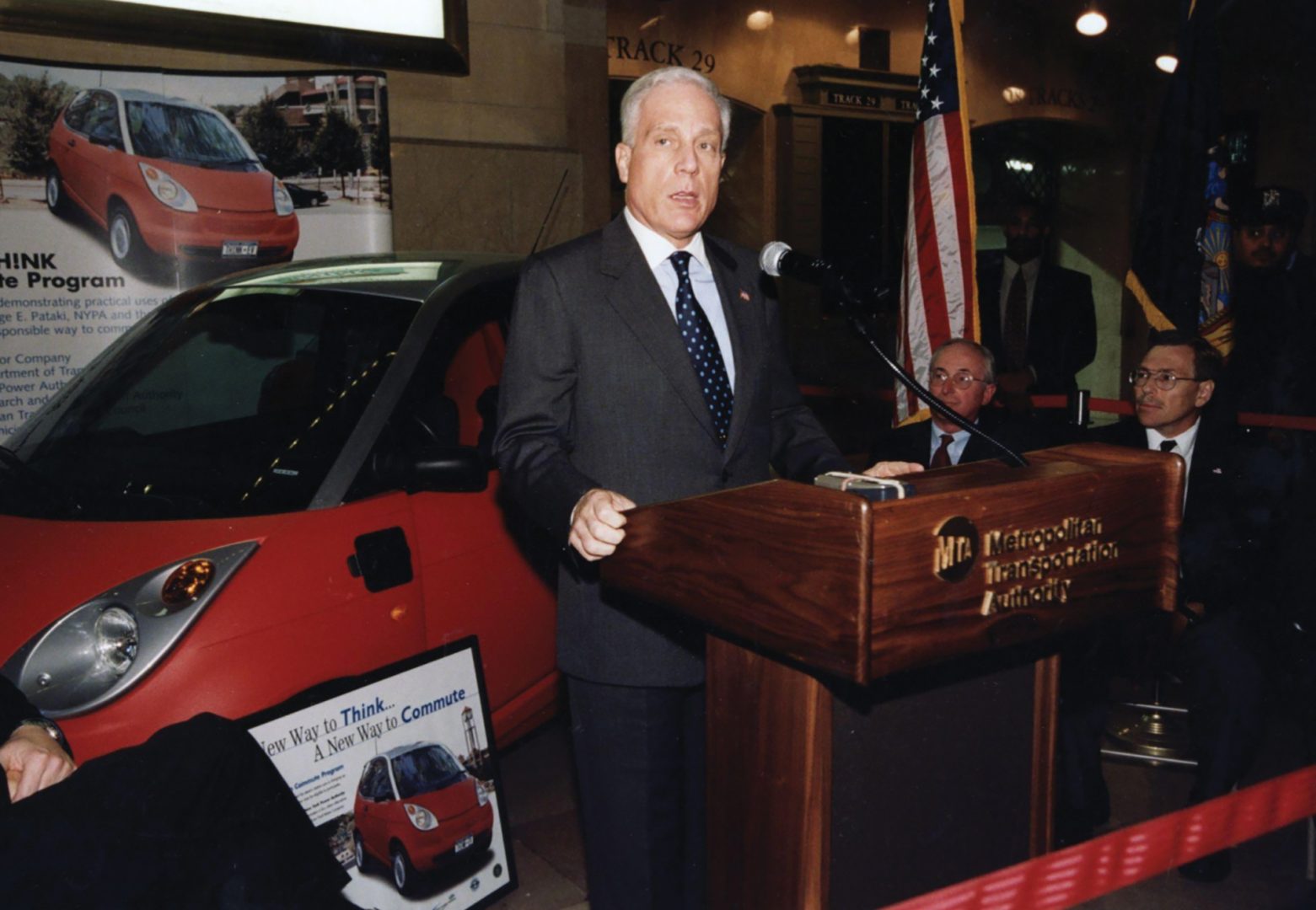
Peter Kalikow speaking at Grand Central Terminal as chairman of the MTA

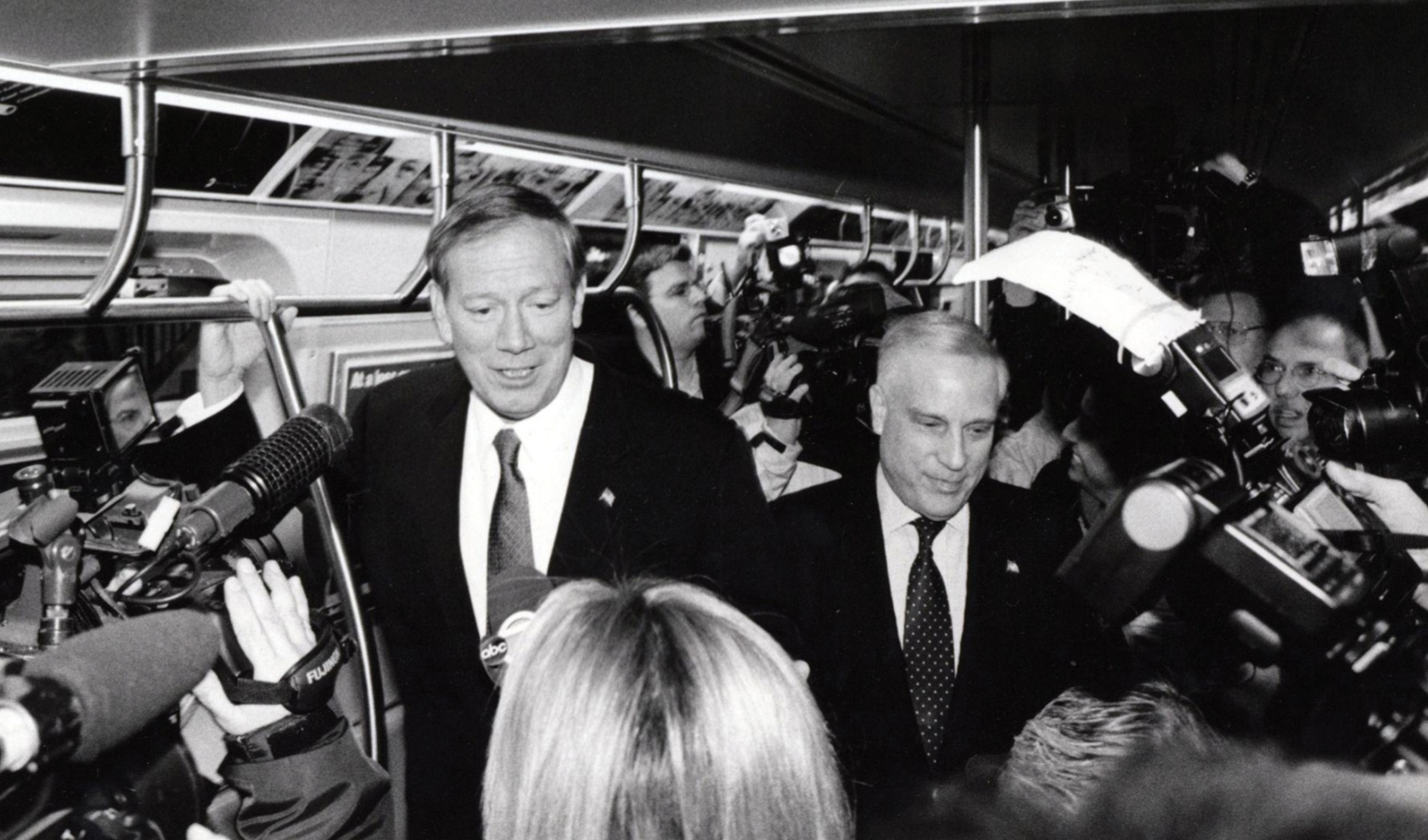
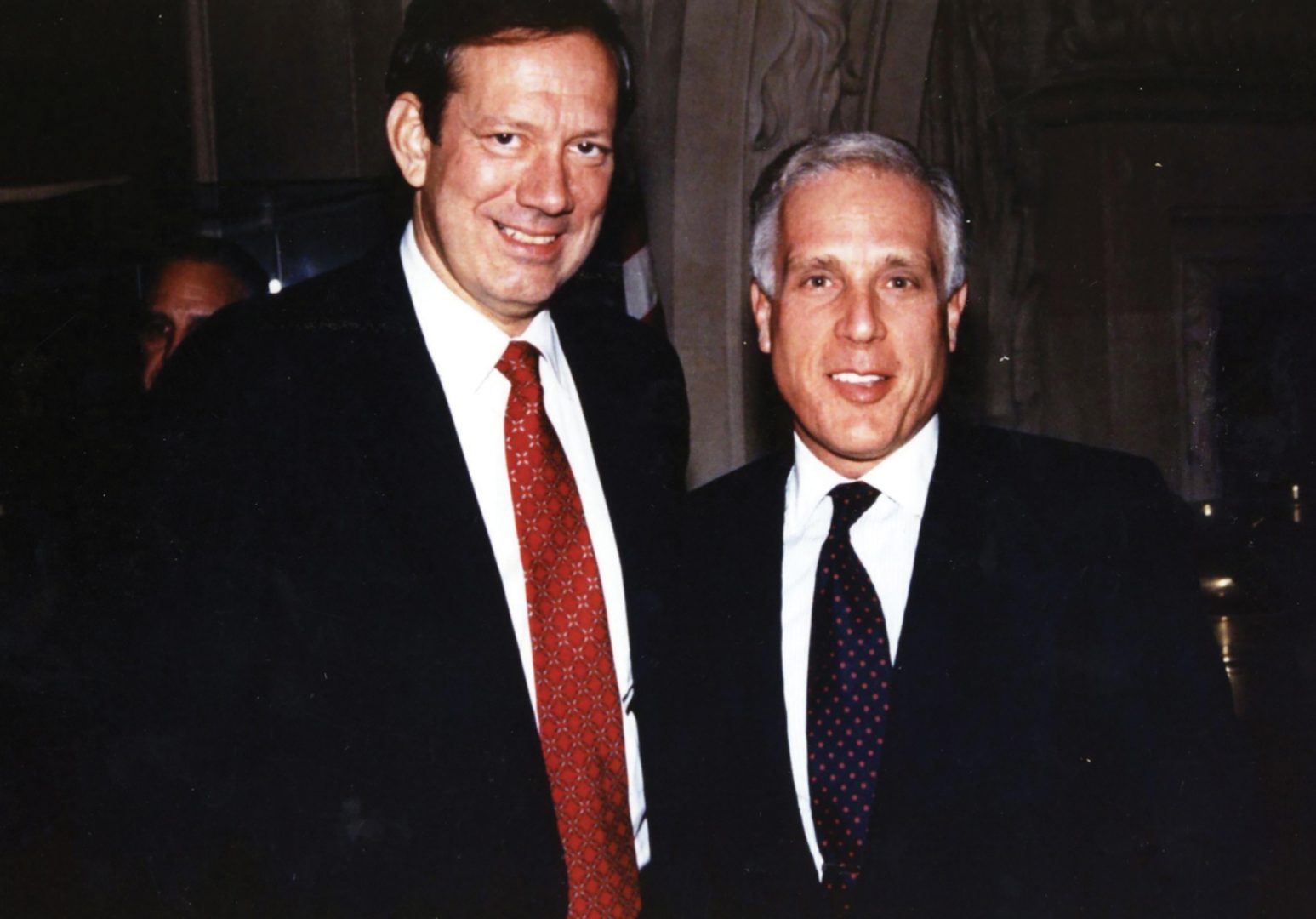
Former Governor George Pataki and Peter Kalikow ride the New York City subway.

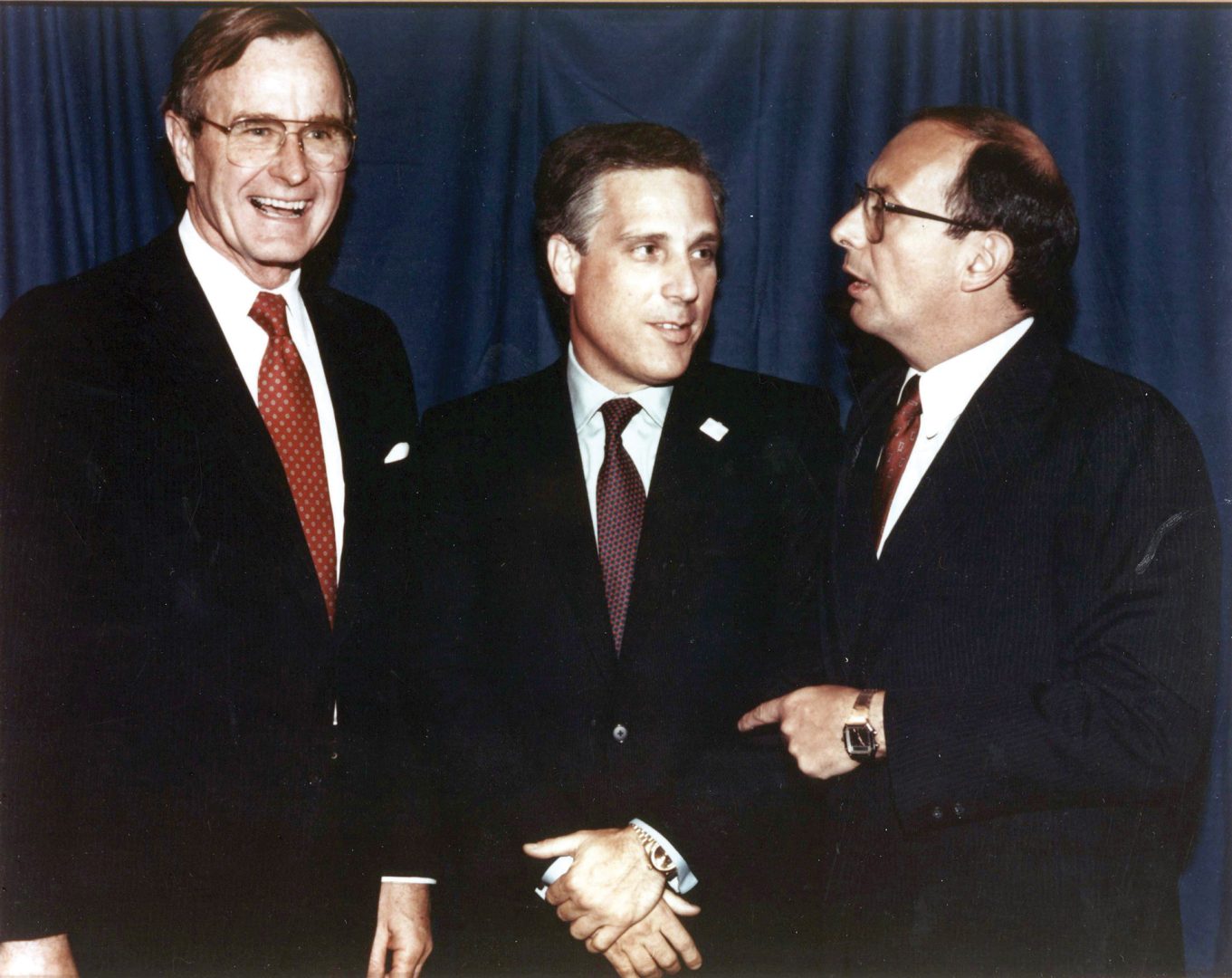
Pictured from left to right: former President George H.W. Bush, Peter Kalikow, and former Senator Alfonse D’Amato (NY). Prior to his role as regional administrator of the FTA, Rick Nasti served as Senator D’Amato’s chief counsel and campaign manager. Both Kalikow and Nasti credit Senator D’Amato as being a great help to them and the MTA during their years of service.

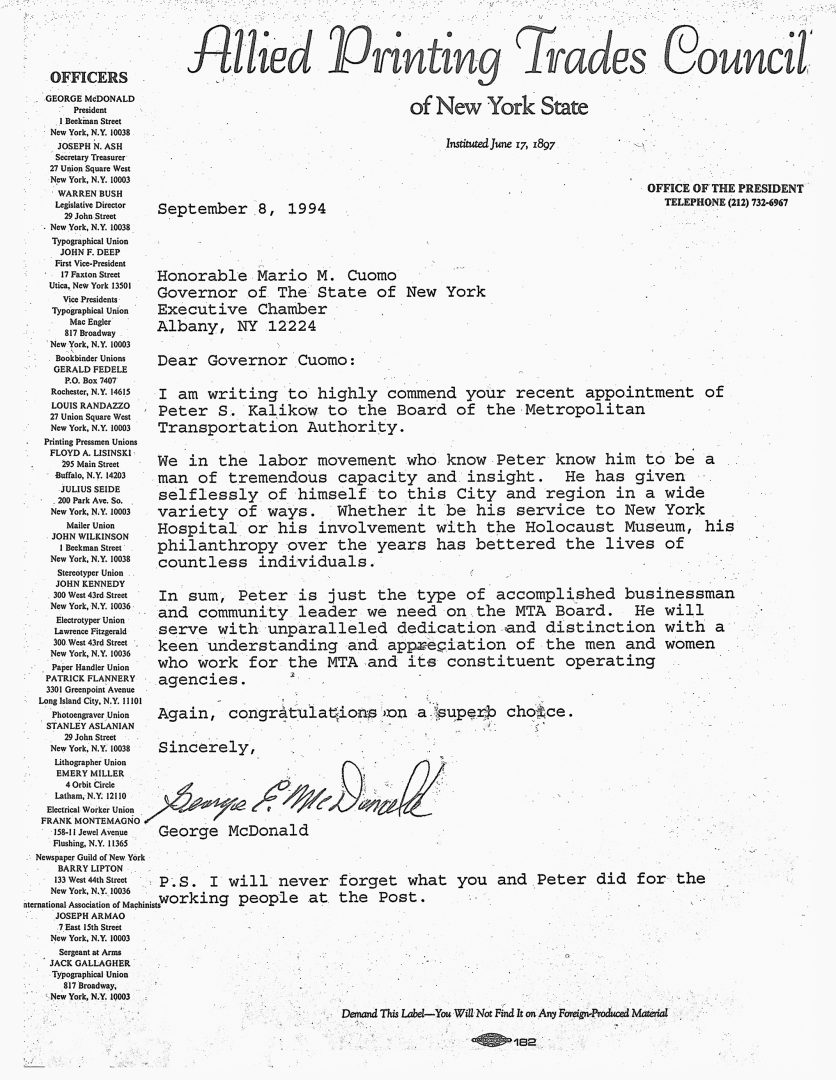
1994

A 1994 letter from George McDonald, head of the Allied Printing Trades Council, to Governor Mario Cuomo expresses his praise for Cuomo’s appointment of Kalikow to the Board of the Metropolitan Transportation Authority. Peter Kalikow and George McDonald worked closely together on union negotiations when Kalikow owned the Post.

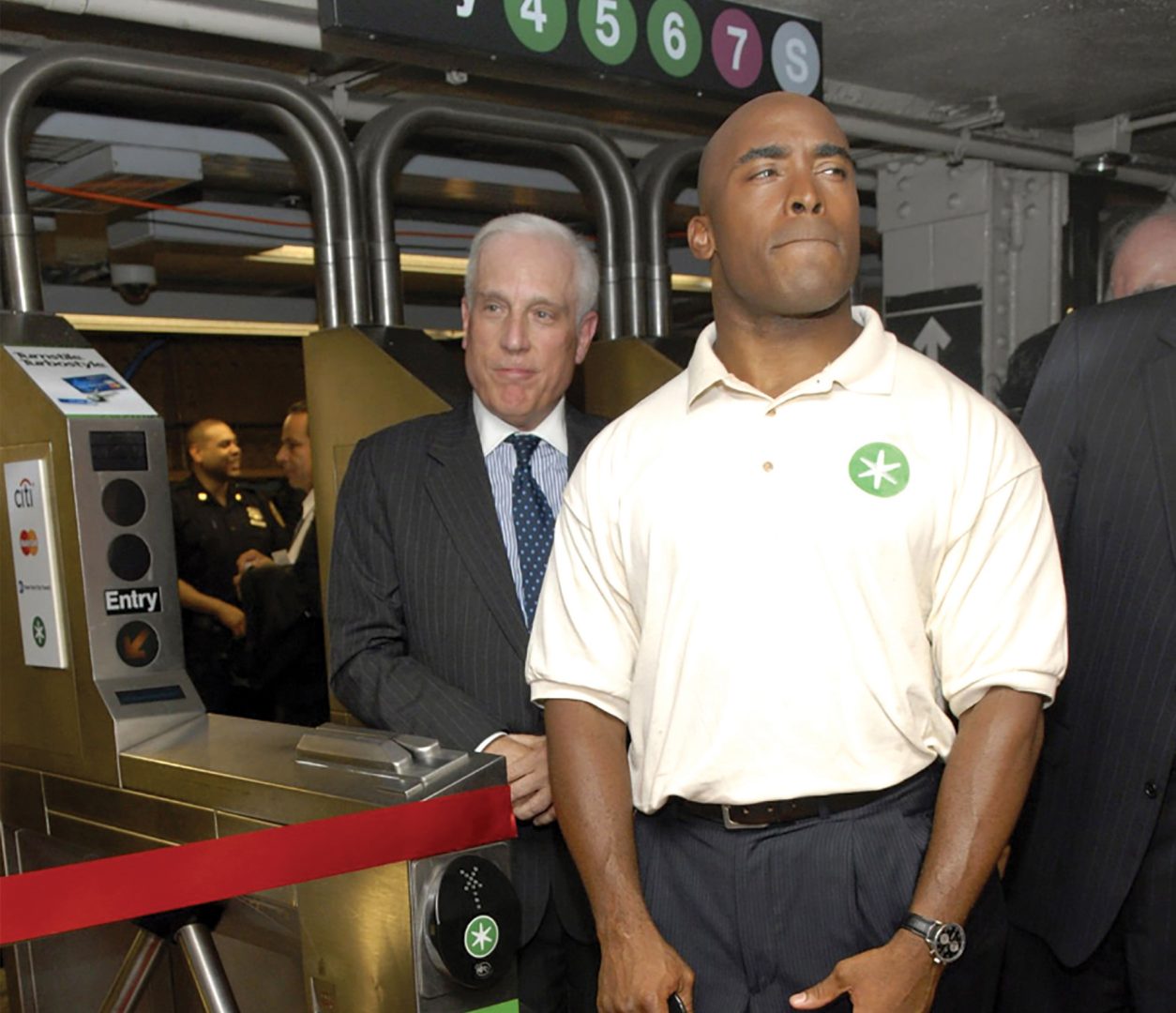
2006

Peter Kalikow and former Giants football player Tiki Barber at the unveiling of the Mastercard, MTA, and Citigroup “Tap & Go” system for the NYC subway (July 11, 2006)

Rick Nasti, who was sitting on the approval of his own MTA Board nomination from Governor Cuomo, told Peter he should think about joining the MTA. Nasti had previously served as the regional administrator for the Federal Transit Administration under President Reagan, making him a natural candidate for the MTA Board.

Governor Cuomo appointed Peter to the board in September of 1994, but his time there was short-lived.

In 1995, after Governor George Pataki was elected to office, he nominated Peter for the Board of Commissioners of the Port Authority. Peter accepted, but after a few years did not find it as fulfilling as he had hoped, preferring a more hands-on service role, like he had briefly experienced at the MTA.

Peter Kalikow developed a close relationship with George Pataki during his years as governor of New York from 1995–2006.

“The MTA spoke more to my DNA,” said Kalikow, who grew up taking public transportation throughout New York City, including the Triboro Coach Bus to and from junior high and the E and F subway lines to high school.

In 1999, Kalikow was appointed by Governor Pataki to be the vice chairman of the MTA, while waiting for the position of chairman to open. One year later, Chairman Virgil Conway retired, and Kalikow became chairman of the MTA in March 2001.

September 11, 2001

It was the worst day of my life. I didn’t know how I was going to get through it.”

Peter Kalikow

A day that would change the world

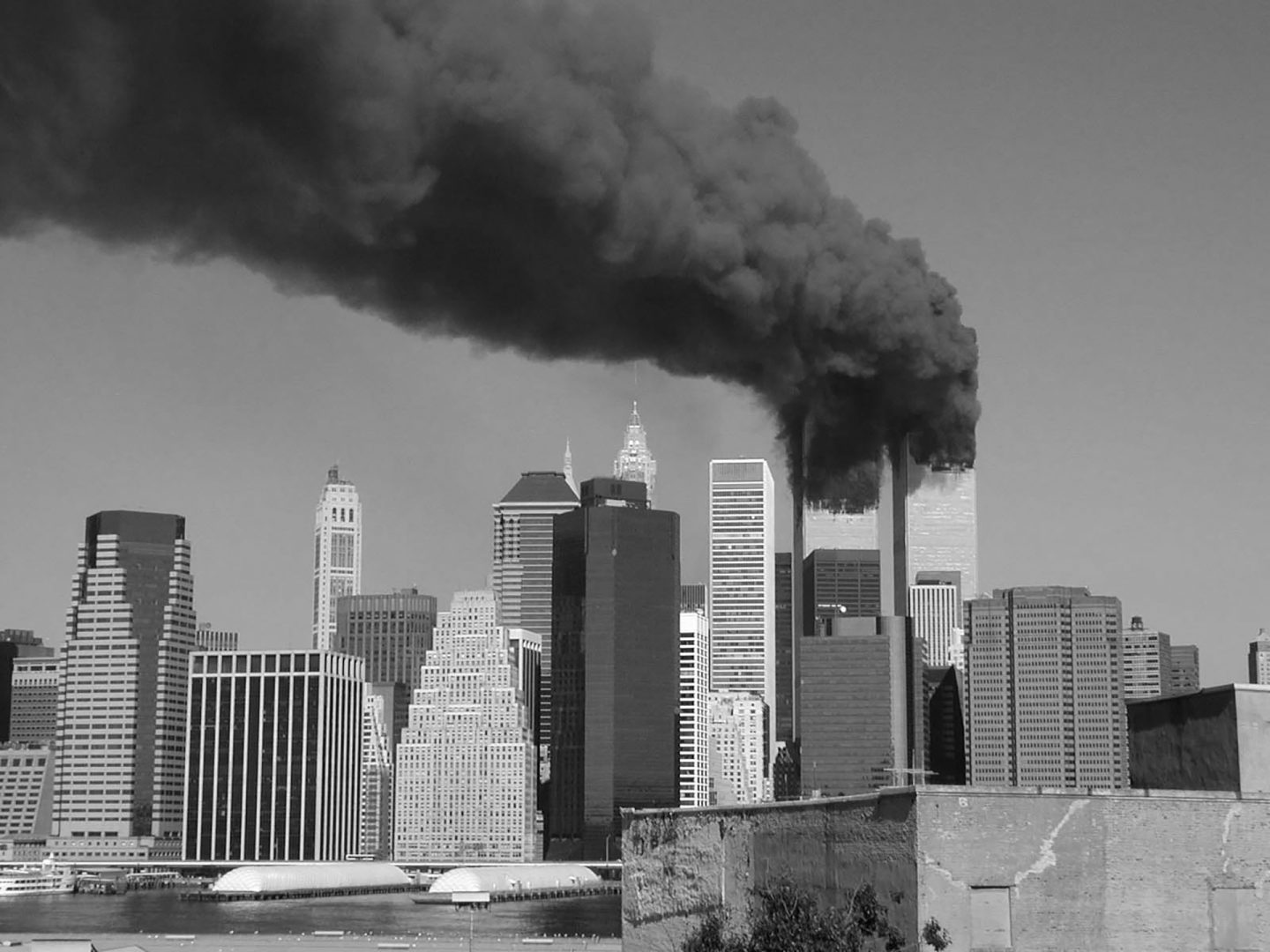
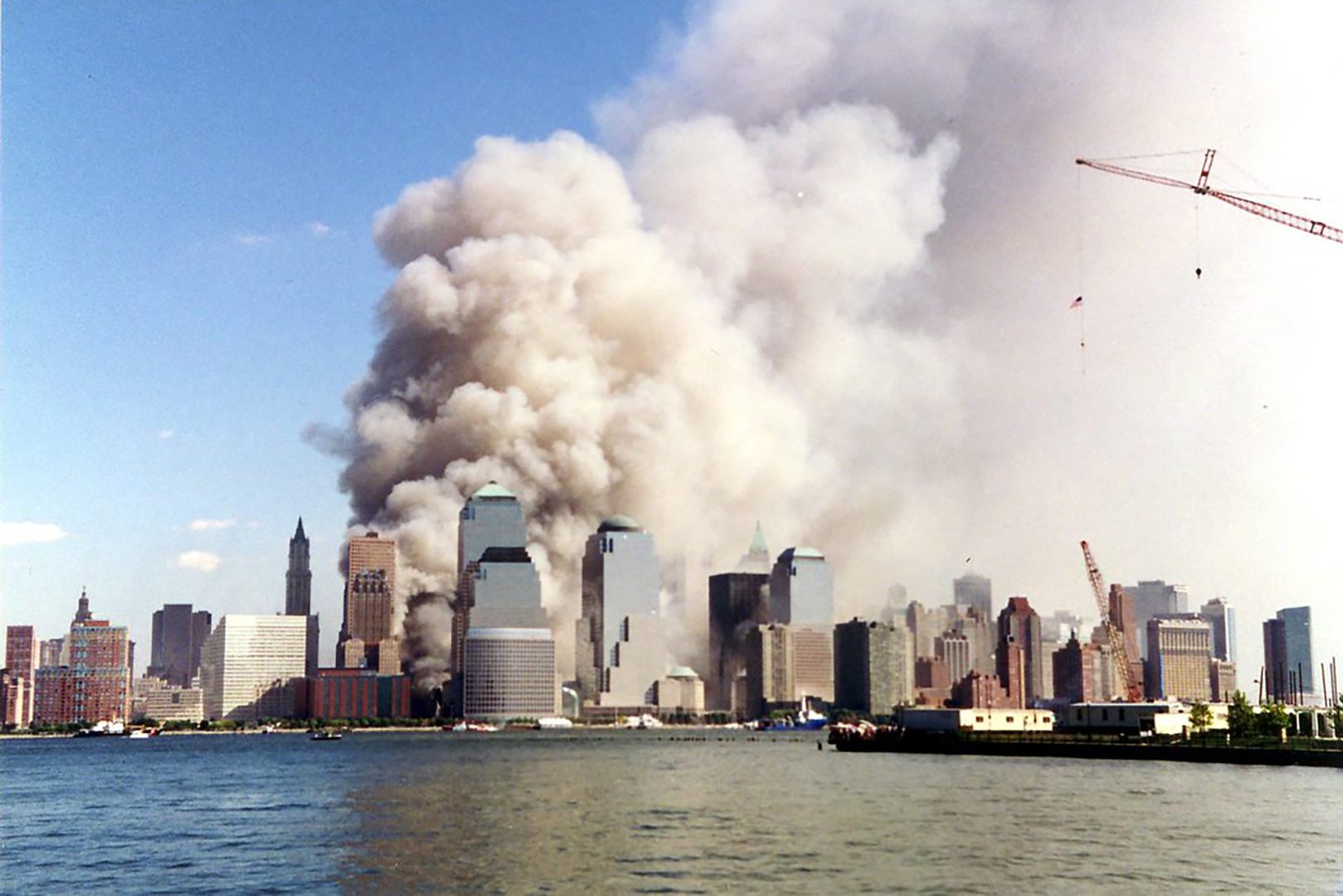
Only six months later, the World Trade Center was attacked on September 11.

Kalikow was in his 101 Park Avenue Office when he got a call with the news. Kalikow and the Transportation Authority had to move swiftly to shut down all transportation hubs in the city and organize city-wide evacuations on the trains. Peter ensured that all fares were free and that each train stopped at every single station on its line.

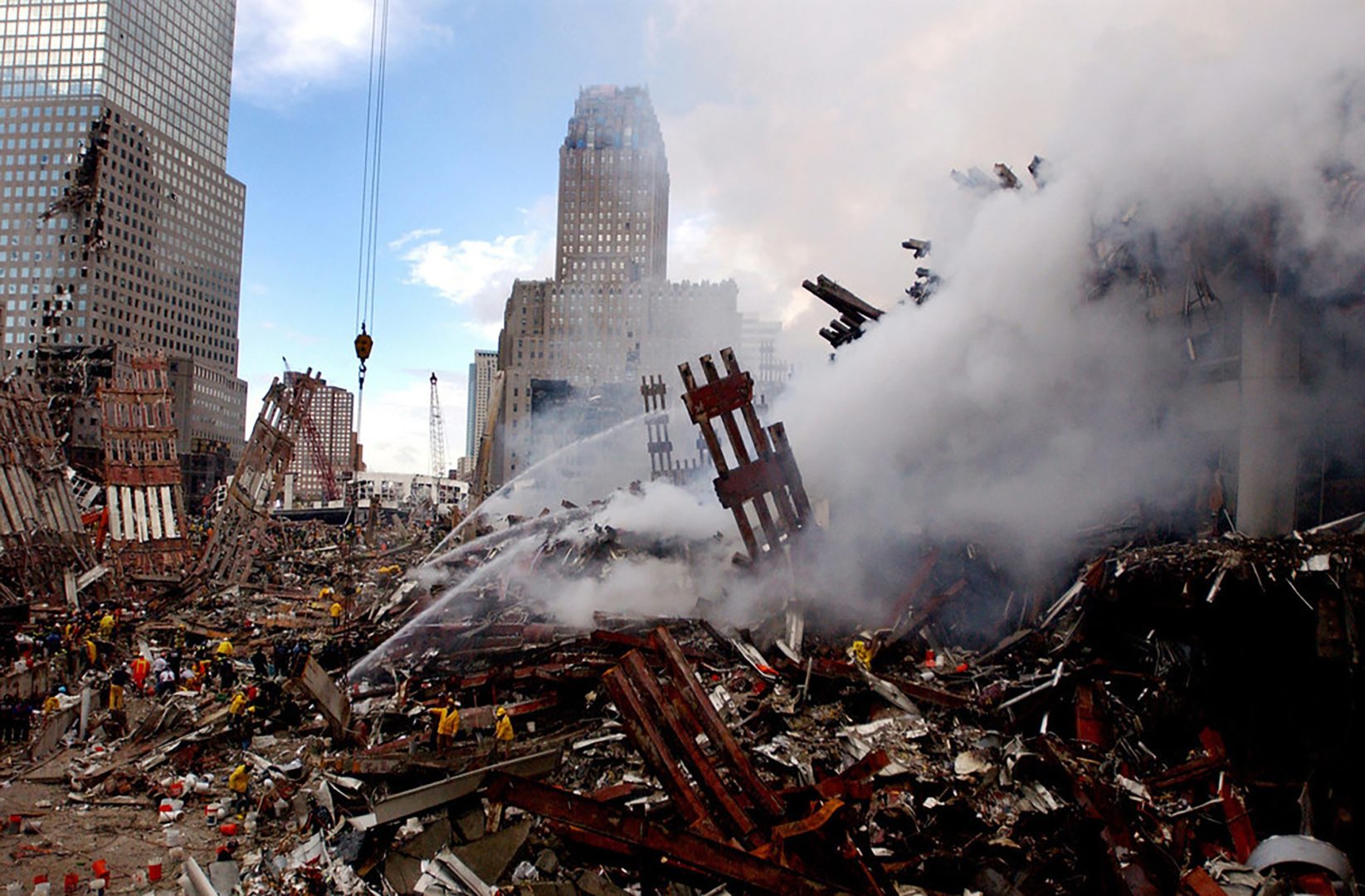
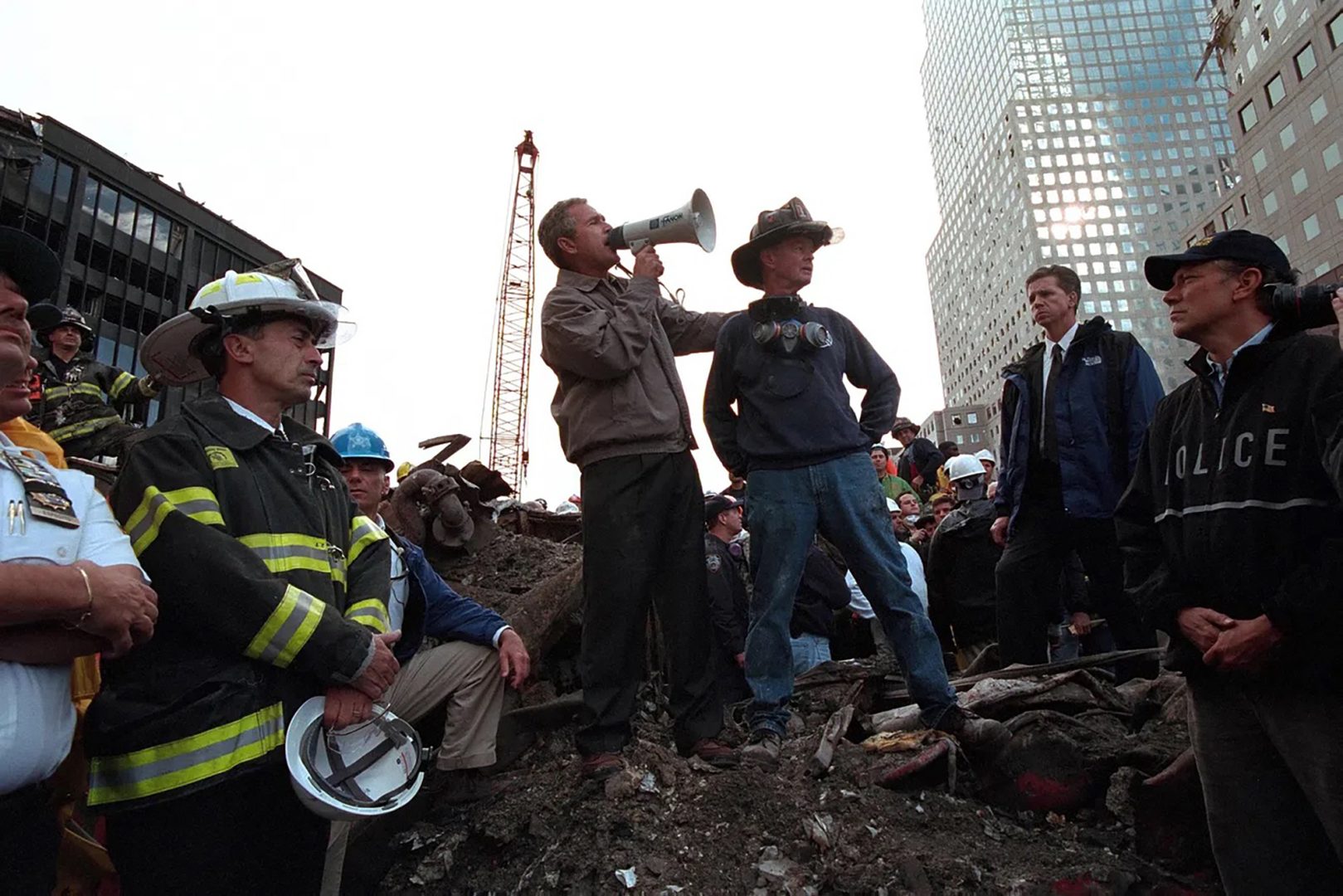
Once the transportation hubs were shut down and the effort to get people out of the city was underway, Kalikow and thousands of transit workers were among the first to head down to Ground Zero and help with the search and rescue.

Since the MTA was one of the only agencies with the heavy machinery capable of moving steel beams and other large debris, equipment used when laying and digging up subway and train tracks, this agency and its workers played a critical role in the initial emergency efforts at the site. Transit workers who were not operating machinery joined bucket brigades, lines of people passing back 5-gallon buckets of debris to clear the way for the emergency personnel search.

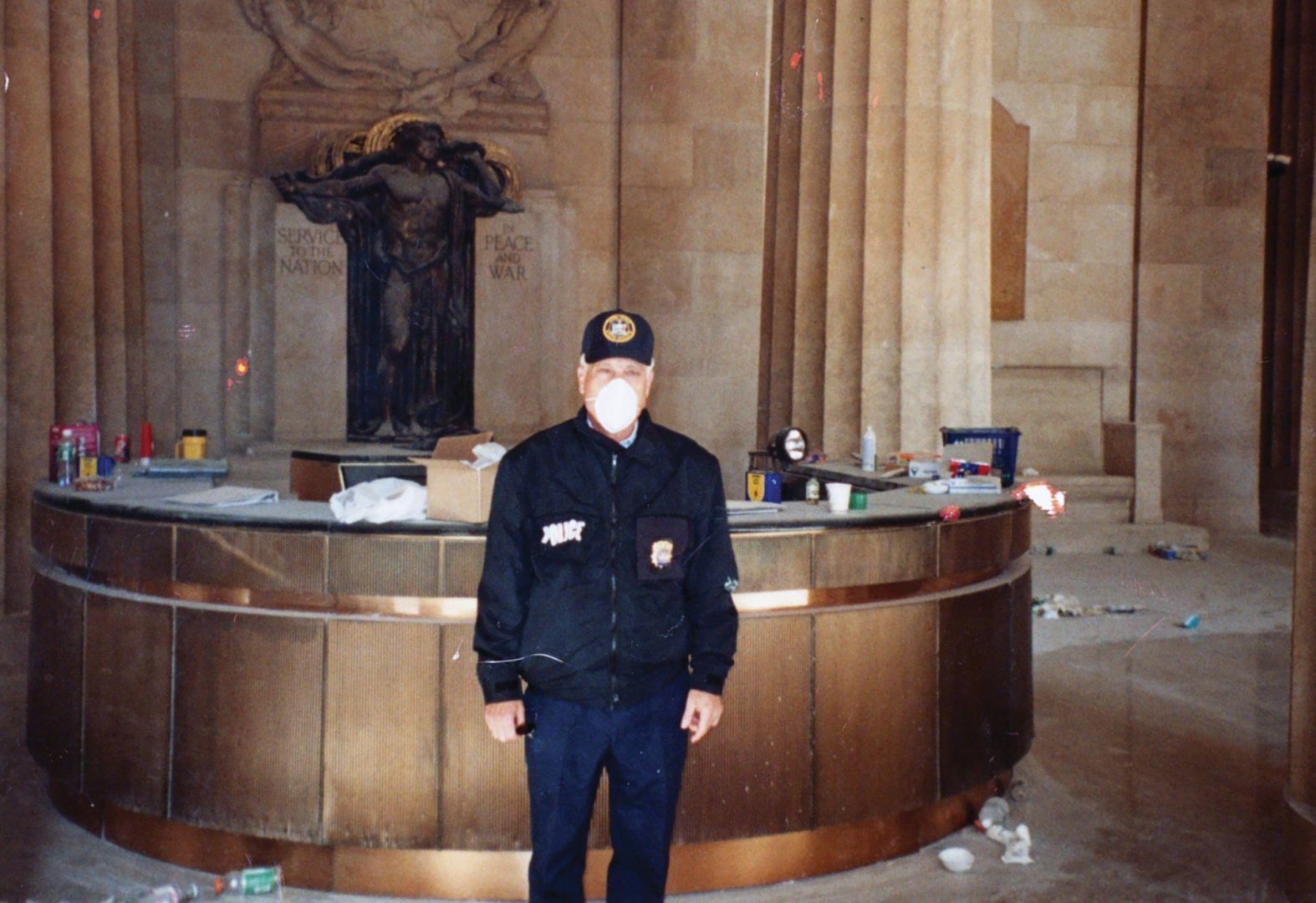
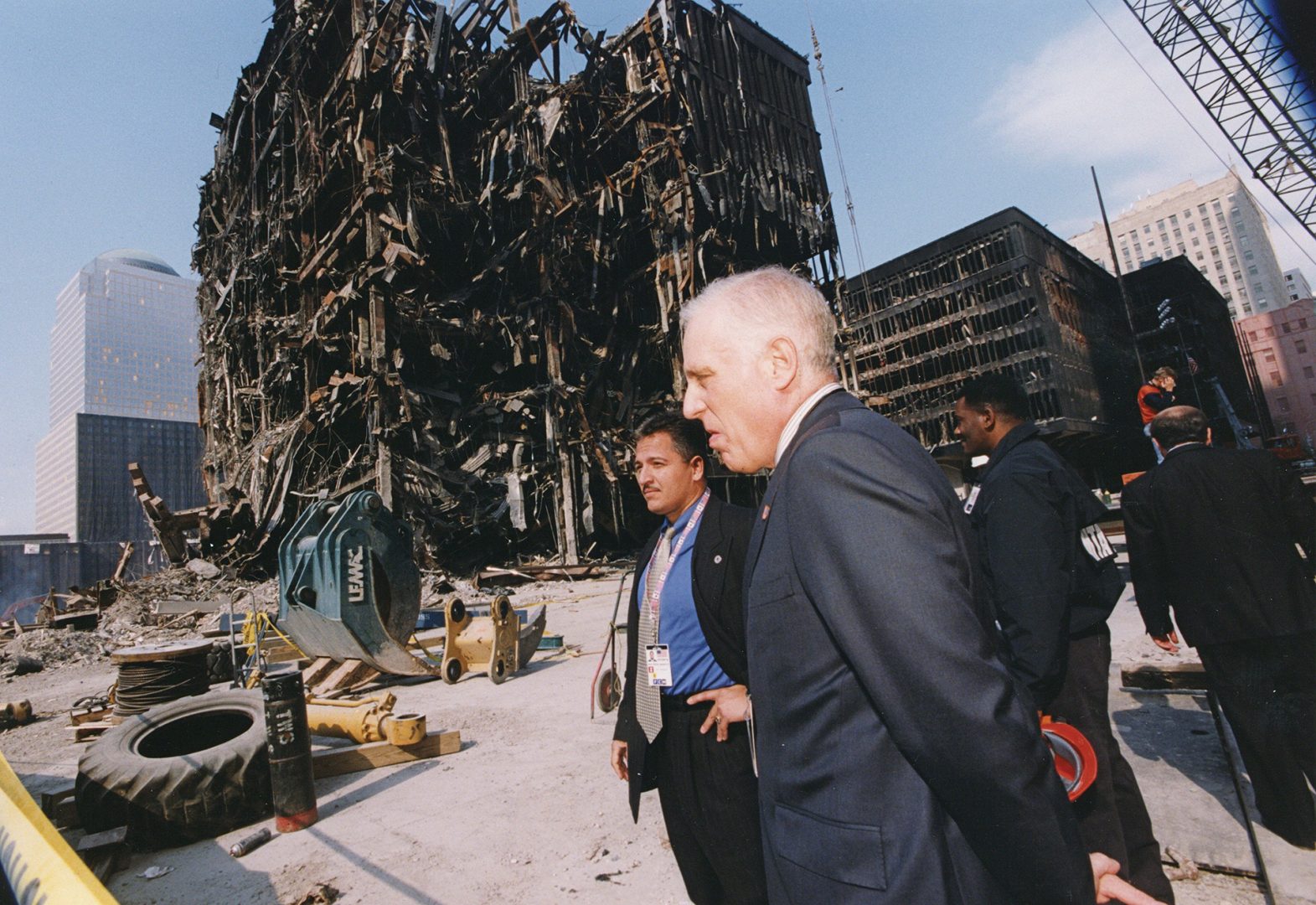
Kalikow stands in front of a debris-ridden lobby at 195 Broadway.

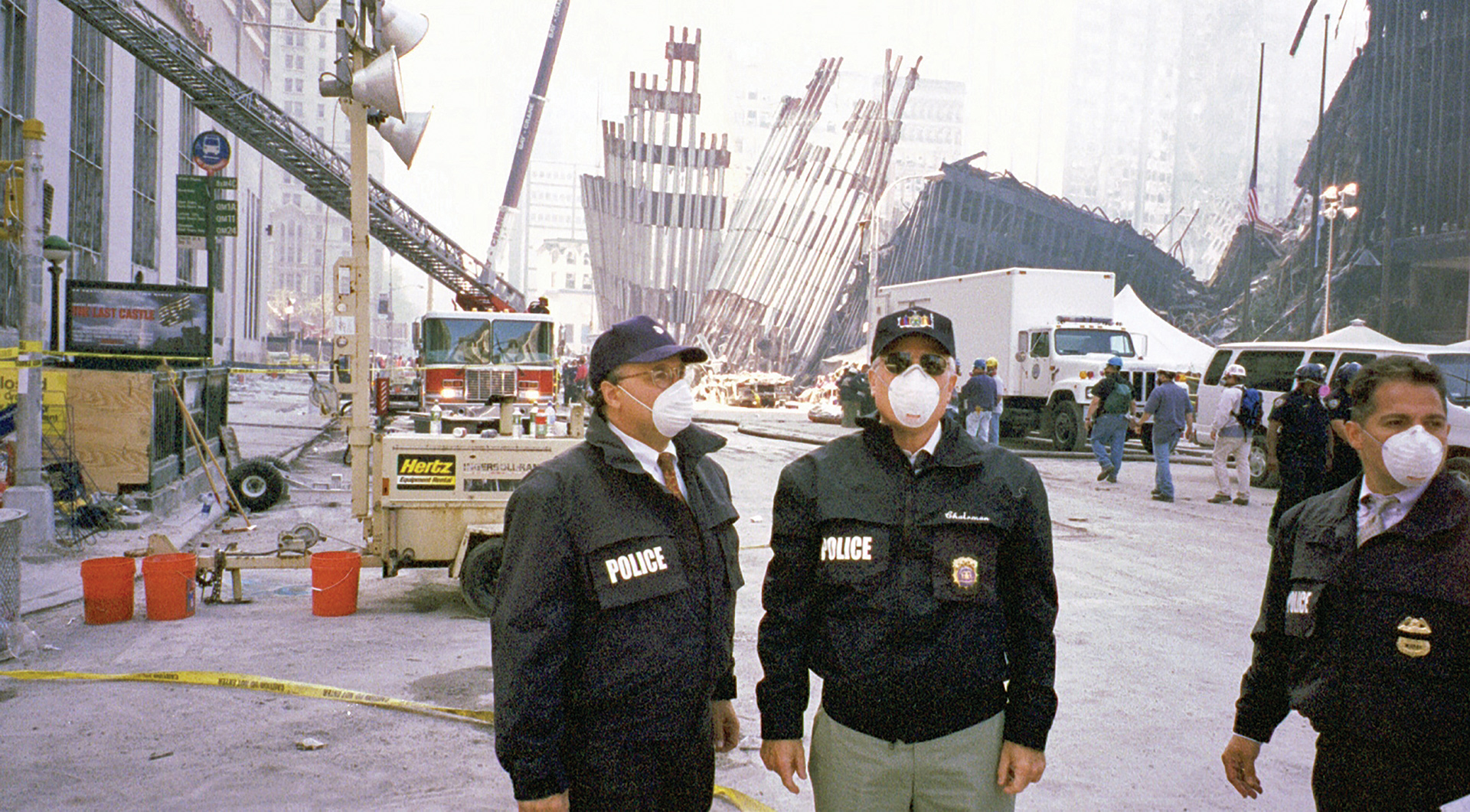
Peter Kalikow wearing his MTA chairman jacket at the site of the Twin Towers

Other transit workers installed emergency generators to power traffic signals, computers, and lighting since most of the area had lost power as a result of the attacks. The MTA also supplied buses to take volunteers and officials back and forth from the World Trade Center over the next three weeks.

As many as 3,000 to 4,000 MTA employees helped on the site in the immediate days and weeks following the attacks, with many of them staying longer than their assignments.

Whether actively participating in search and rescue efforts on the ground or attending twice-daily meetings at the Police Academy, where the MTA had set up headquarters, Peter Kalikow did not return to his office at 101 Park Avenue for over two weeks.

Two of Kalikow’s buildings, the Millenium Hotel and 195 Broadway, were both located directly across the street from the World Trade Center. Kalikow made sure to check on the employees in both buildings.

One of the workers took him up to the 15th floor of the hotel, where plane parts were scattered across the room. While people feared the building would collapse, the sturdy structure held strong, as Kalikow reassured them it would. The hotel was closed for 18 months of repairs and renovations before reopening in 2003.

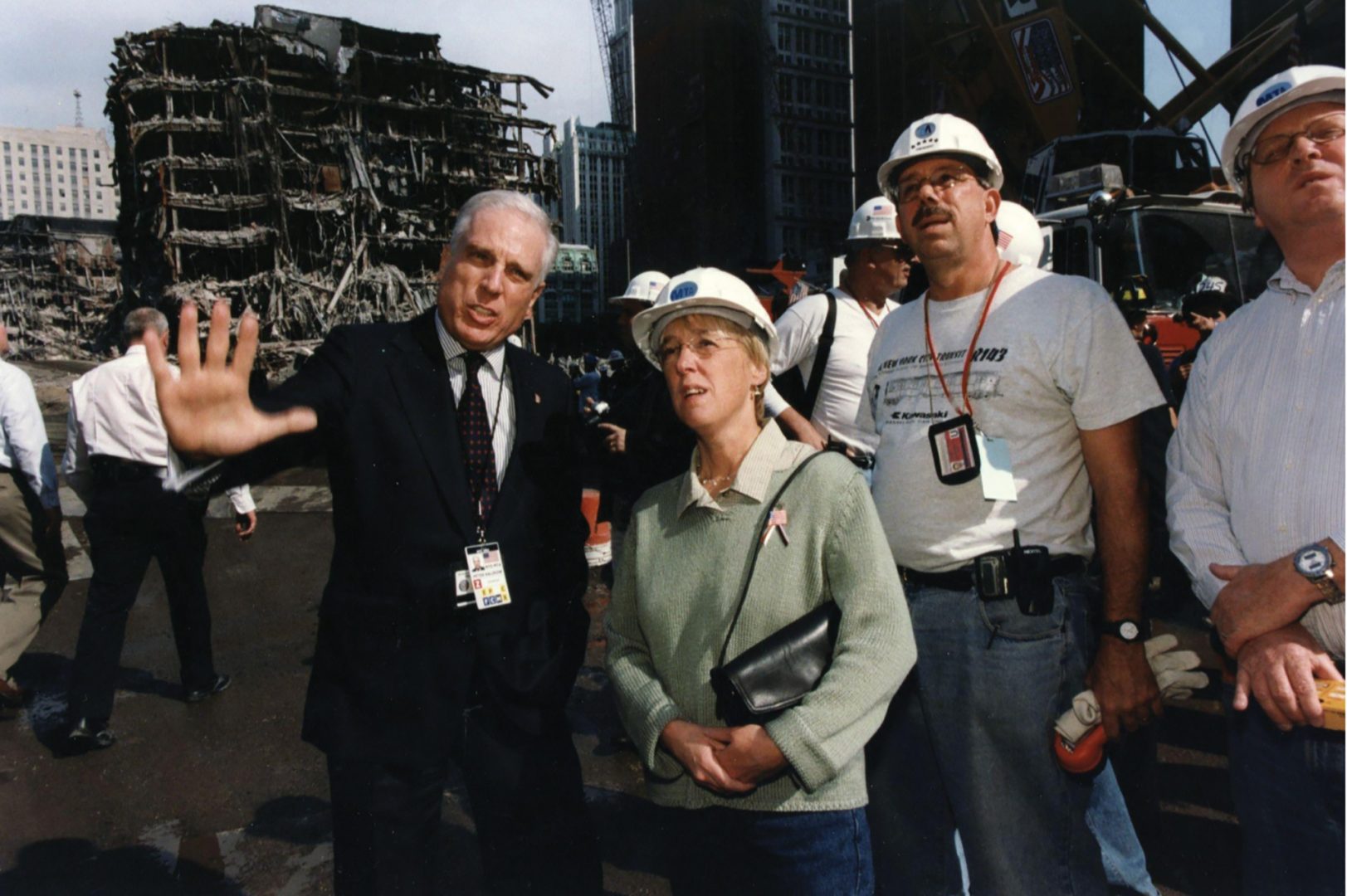
Left to right: Peter Kalikow, Senator Patty Murray (WA), and NYC Transit Authority President Lawrence Reuter at Ground Zero

Peter Kalikow at Ground Zero.

However, 195 Broadway was not as severely damaged by the catastrophe. According to Kalikow, Mike Keaveney, the chief engineer at HJ Kalikow, reacted quickly to close all the shutters and airways, preventing dust from entering the air conditioning and vents.

On the third day of rescue and recovery efforts, Peter Kalikow remembers being at St. Paul’s churchyard with dust covering him from head to toe. He was wading through the snow-like piles on the ground when it dawned on him that much of the dust was likely made up of human remains.

“It was the worst day of my life,” said Kalikow, referring to that day in St. Paul’s churchyard. “I didn’t know how I was going to get through it. It was too much for me to handle.”

It wasn’t until a distraught Peter ran into his senior rabbi, Dr. Ronald Sobel, at the Temple Emanu-El, that he gathered the strength to continue. After telling Rabbi Sobel that he feared he could no longer continue the job, the rabbi told Kalikow, “If God didn’t think you could do the job, he wouldn’t have put you there in the first place.”

At that moment, the rabbi’s words gave Kalikow the resilience he needed to keep going.

The memory, however, still haunts him to this day.
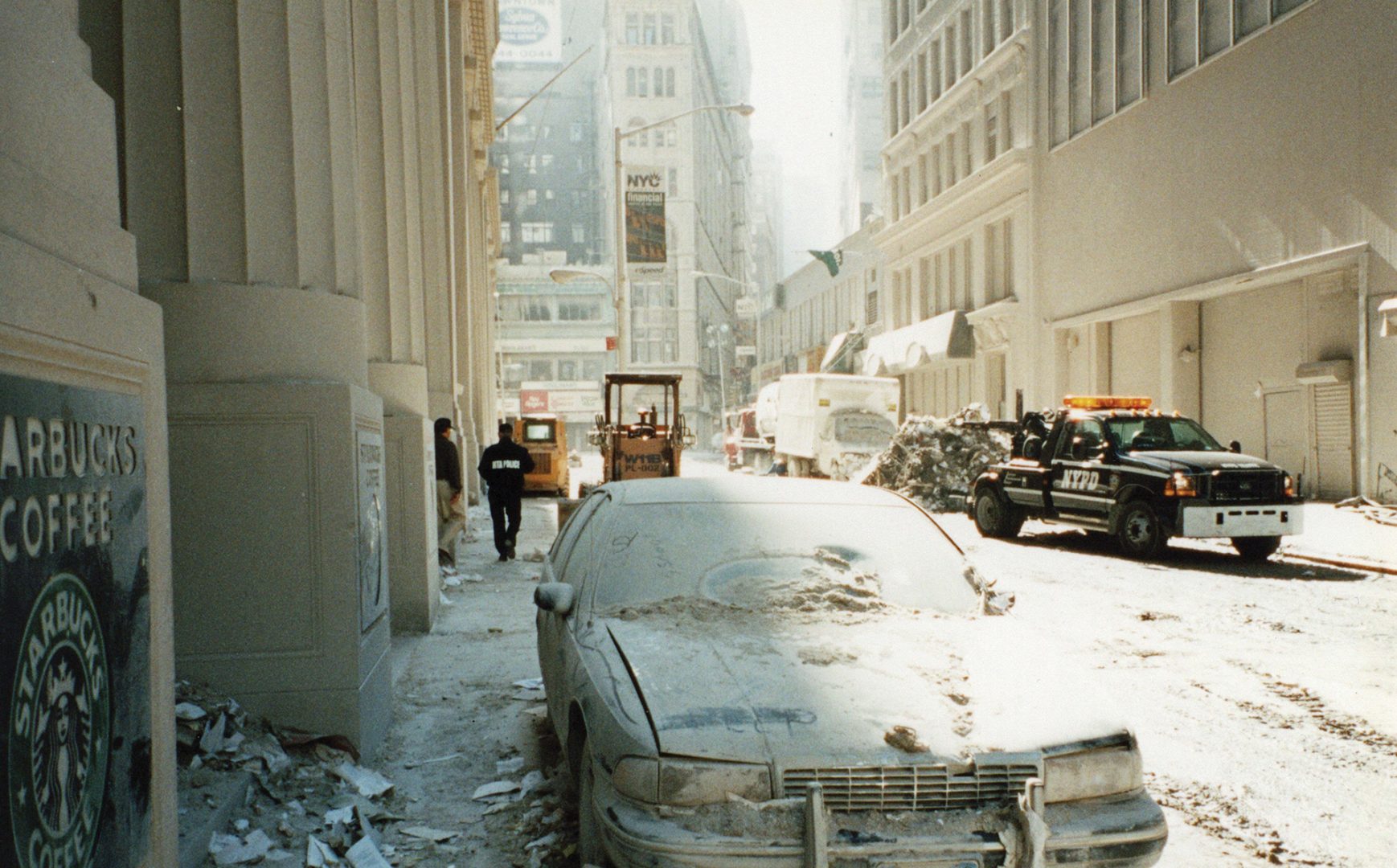
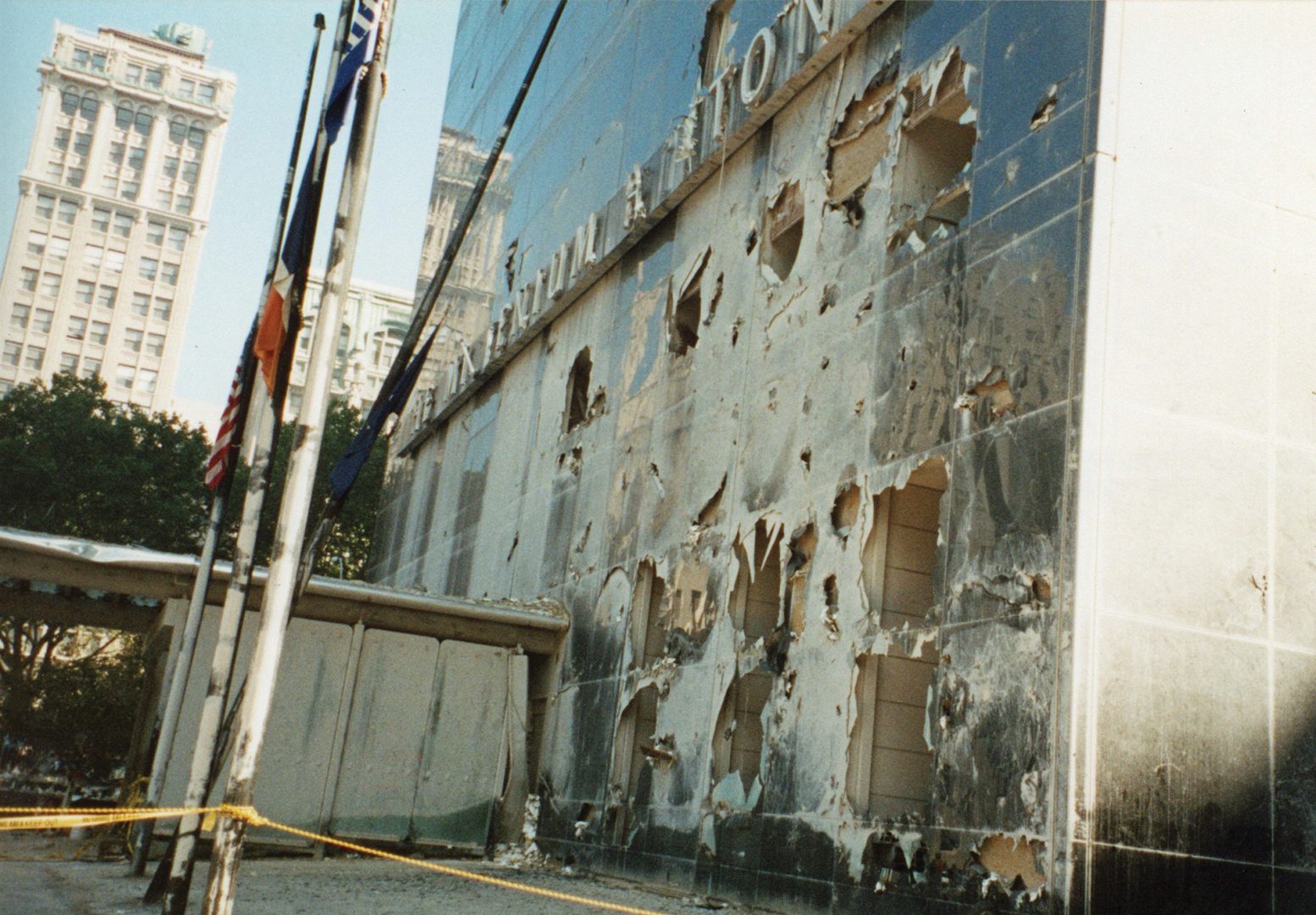
Outside Peter Kalikow’s building 195 Broadway following the 9/11 terrorist attacks

Outside Peter Kalikow’s building 195 Broadway following the 9/11 terrorist attacks

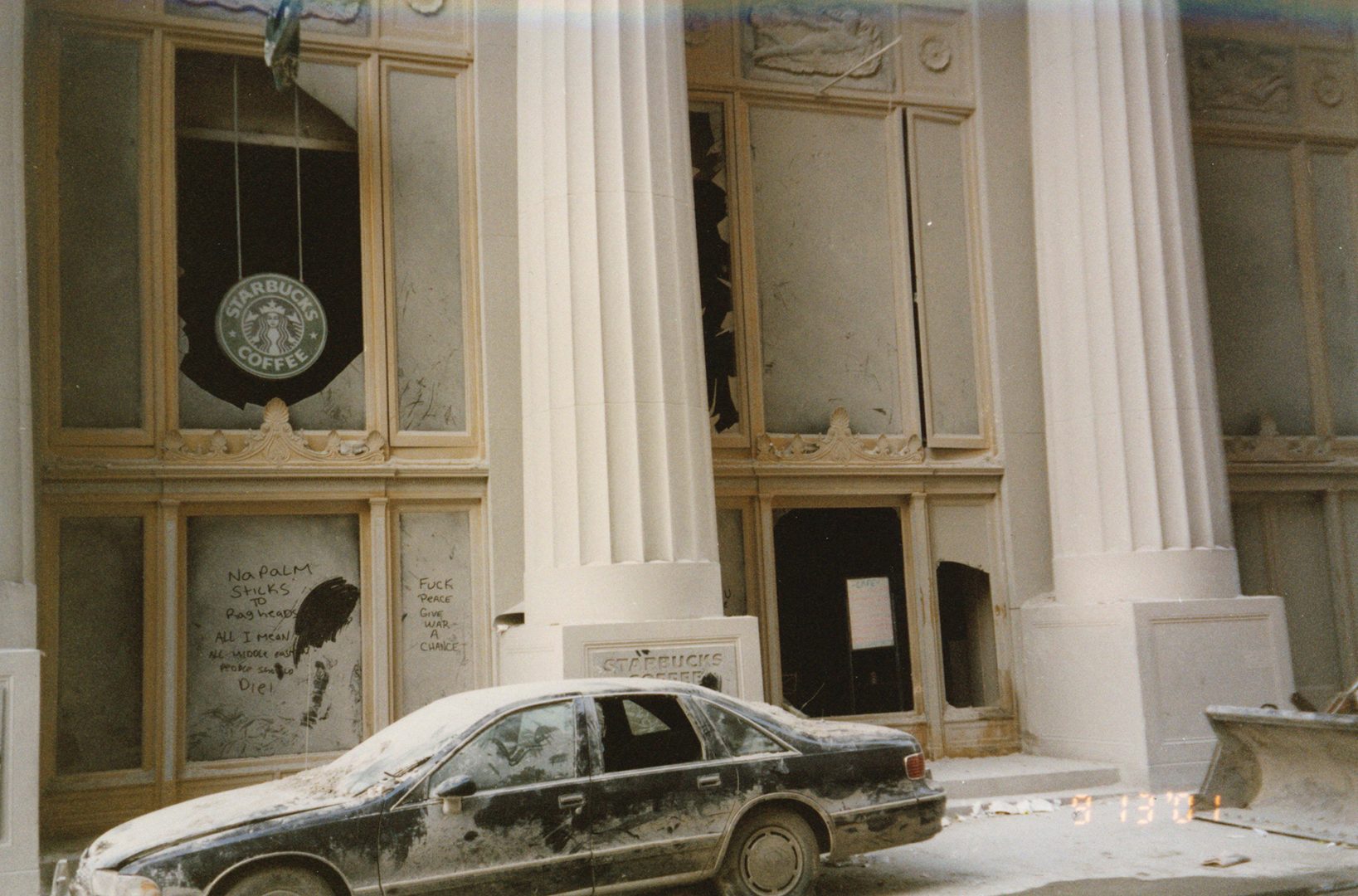
Outside Peter Kalikow’s building the Millenium Hotel following the 9/11 terrorist attacks

In the face of tragedy and horror, Kalikow was amazed by the heroism of New Yorkers in those moments.

“Nobody cared about anything but helping. Instead of running away, all I saw were people running towards the scene,” said Kalikow.

The best way to describe the valor of the city, says Kalikow, came from WWII Admiral Chester W. Nimitz when he spoke about those who fought on Iwo Jima: “Uncommon valor was a common virtue that day.”

Peter Kalikow remained in his role as chairman of the MTA working to improve public transportation and serve the public until 2007. To this day, Kalikow and the thousands of MTA employees who responded to 9/11 are frustrated with the lack of recognition for their fearless efforts at the site. This is largely due to the fact that their stories were excluded from the National September 11 Memorial & Museum, an oversight that transit unions are still working to rectify.