Chapter Five

Post War

At the end of the war, the G.I. Bill, offering affordable housing for veterans, triggered a massive housing boom, and the Kalikow family rebuilt their real estate business.

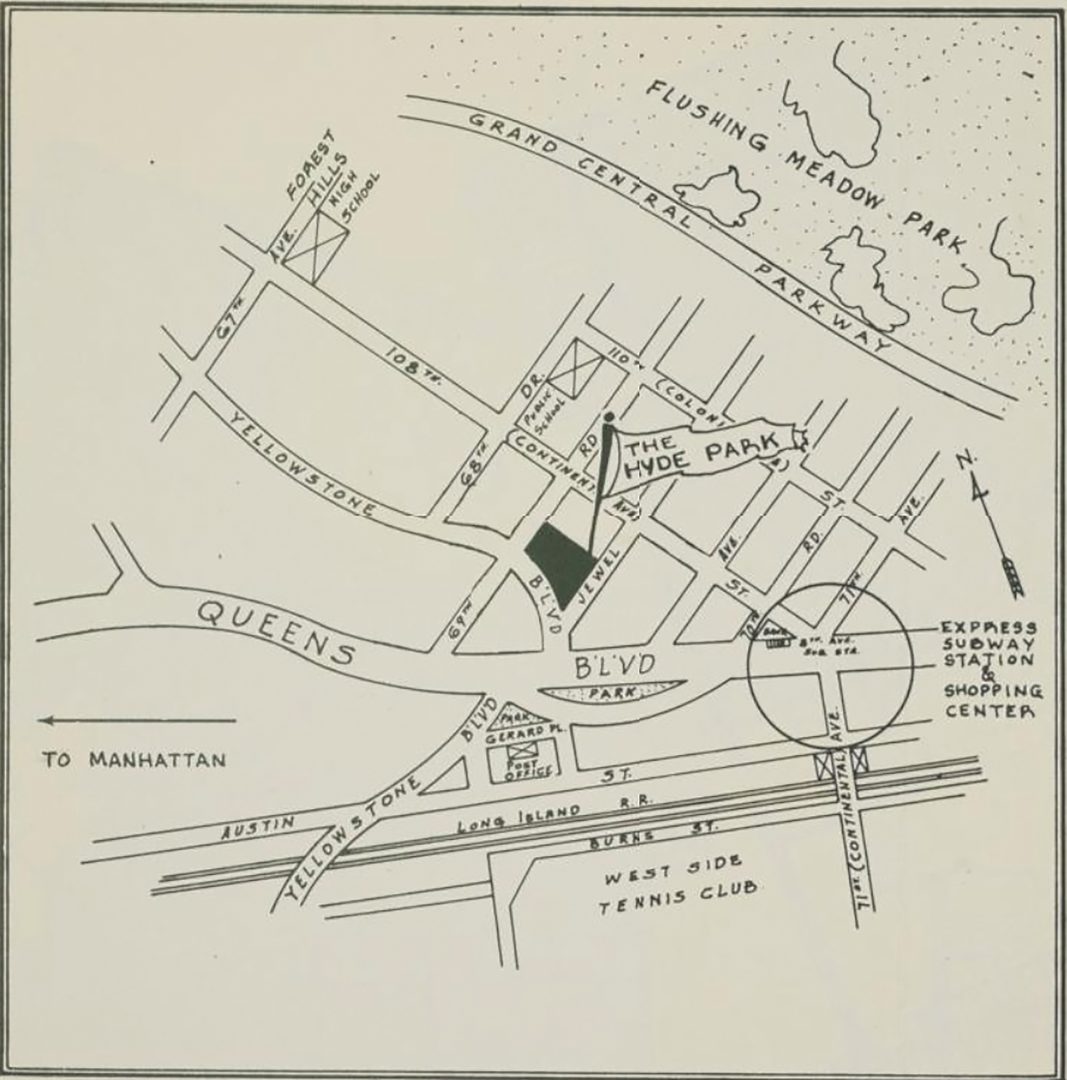
The Kalikows had ample land to develop because Joseph Kalikow had inexpensively purchased the tracts in Queens prior to the war. Kalikow Construction Corporation completed its first post-war apartment building, Hyde Park (6939 Yellowstone Blvd.) in Forest Hills in 1948, followed by the nearby Cromwell (69-60 108th St.) in 1951.

When the Forest Hills buildings were completed, the family turned their attention to the land that Joseph Kalikow had purchased years earlier in Briarwood and Jamaica, Queens. Though Harold Kalikow wanted to build more high-end, residential apartments as the family had done in Forest Hills, Nathan and Sidney Kalikow believed it would be too financially risky. The disagreement caused conflict among the brothers.
1946

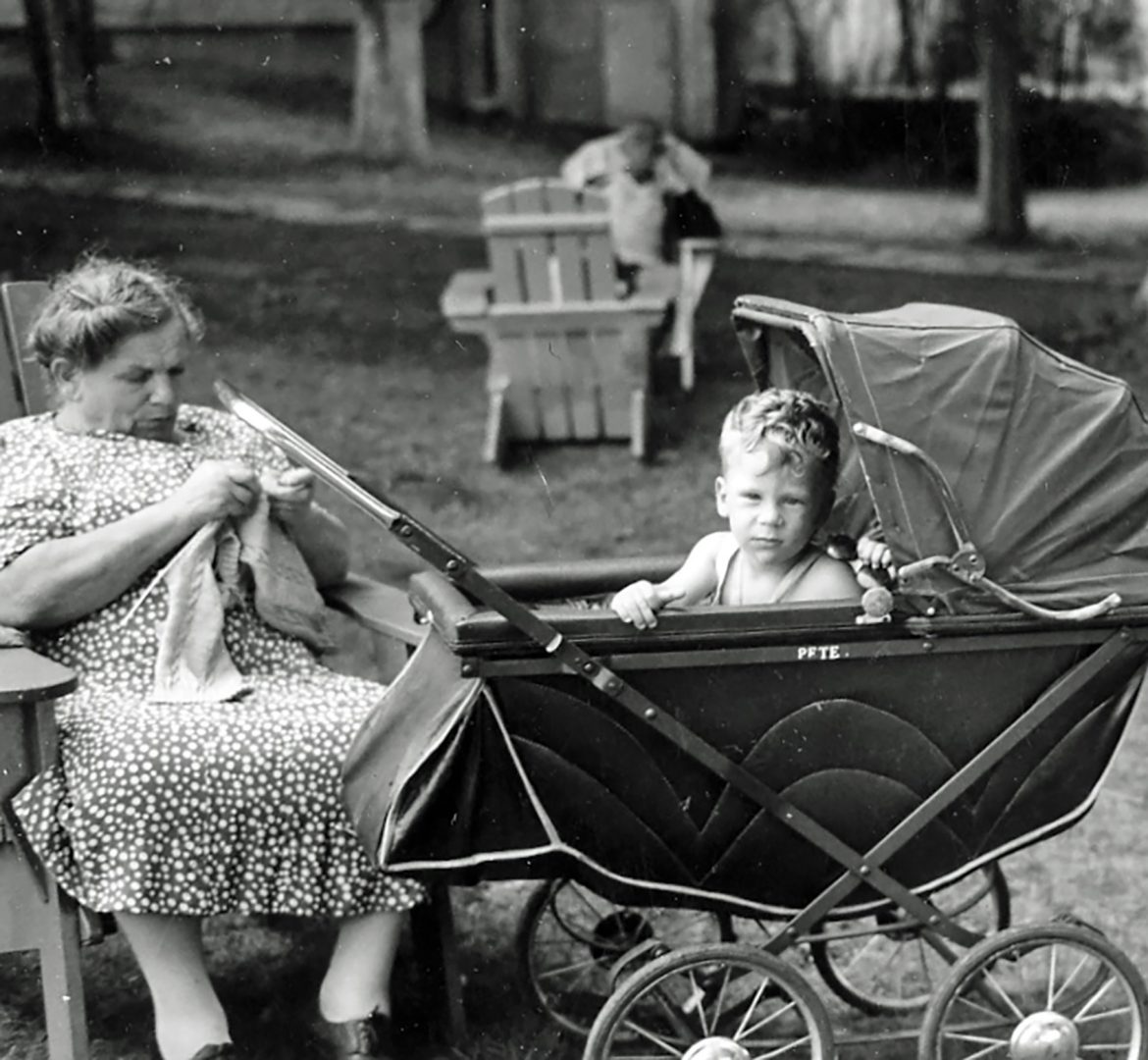
Anna knits while watching over her grandson Peter.

1948

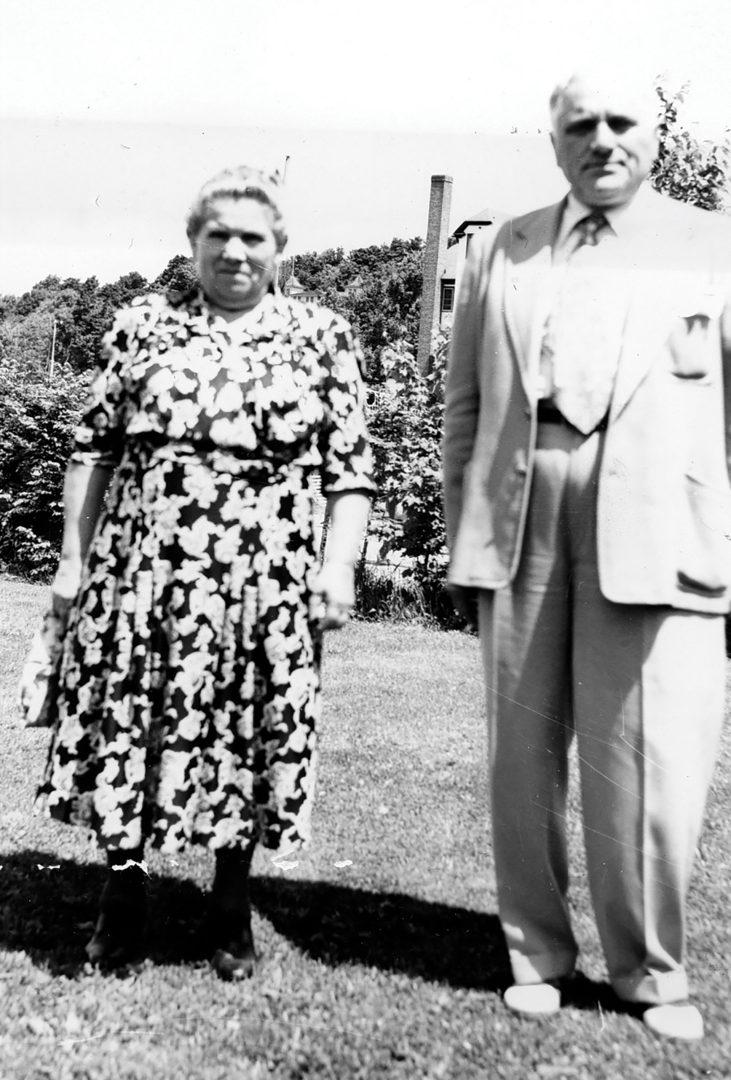
Anna Kalikow passed away in 1948, and Joseph Kalikow followed in 1955.

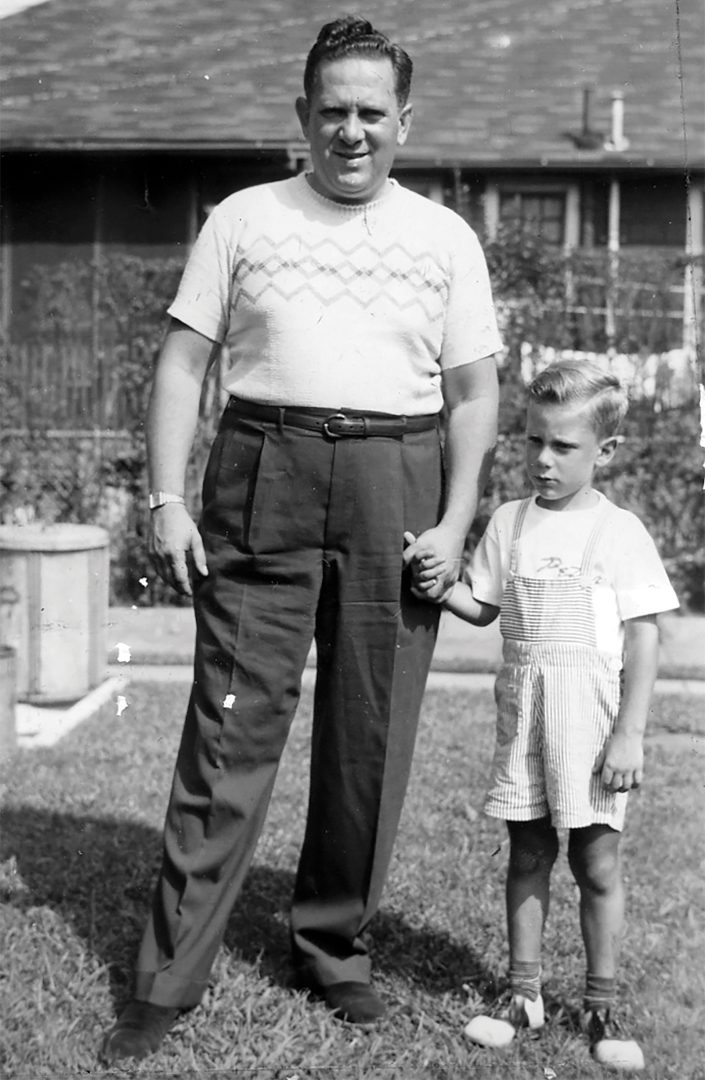
1948

Harold Kalikow holds hands with his son Peter.

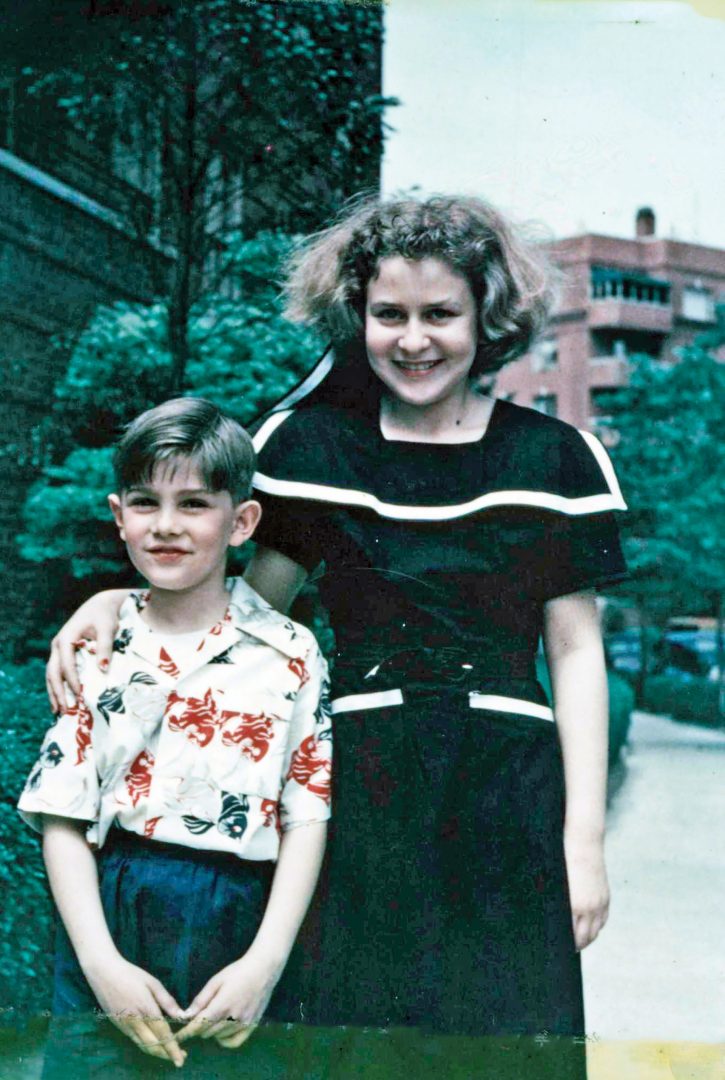
1949

Peter Kalikow’s cousins Richard Kalikow and Roberta Rosenzweig: Roberta was the daughter of Lillian Rosenzweig, Harold’s younger sister, who died following childbirth.

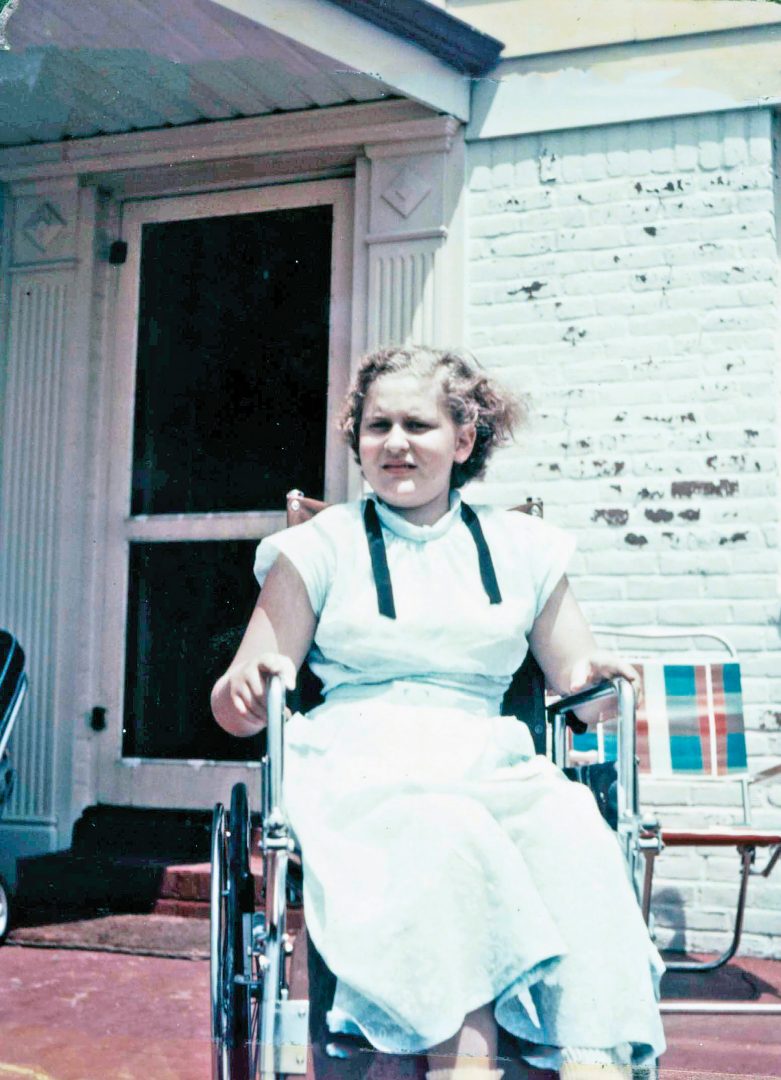
1951

Roberta Kalikow was diagnosed with polio during one of the several polio epidemics that occurred between 1948–1955. Polio infections in the U.S. peaked in 1952 when 57,628 cases were reported. In 1955, Dr. Jonas Salk developed the first successful polio vaccine.

Joseph Kalikow and his sons built one last apartment building, Sagamore (84-31 Van Wyck Expressway, Jamaica), before he died in 1955. Harold Kalikow took over as president of the company, and the shares were equally split among the Kalikow brothers.

Although Joseph Kalikow and Fred Kronish stopped developing properties together years before, they continued to co-own and manage the properties they built under their partnership.

Following Joseph Kalikow’s death, Fred Kronish wanted to officially divide the remaining buildings he and Joseph had built and owned together between the Kalikow brothers and himself.

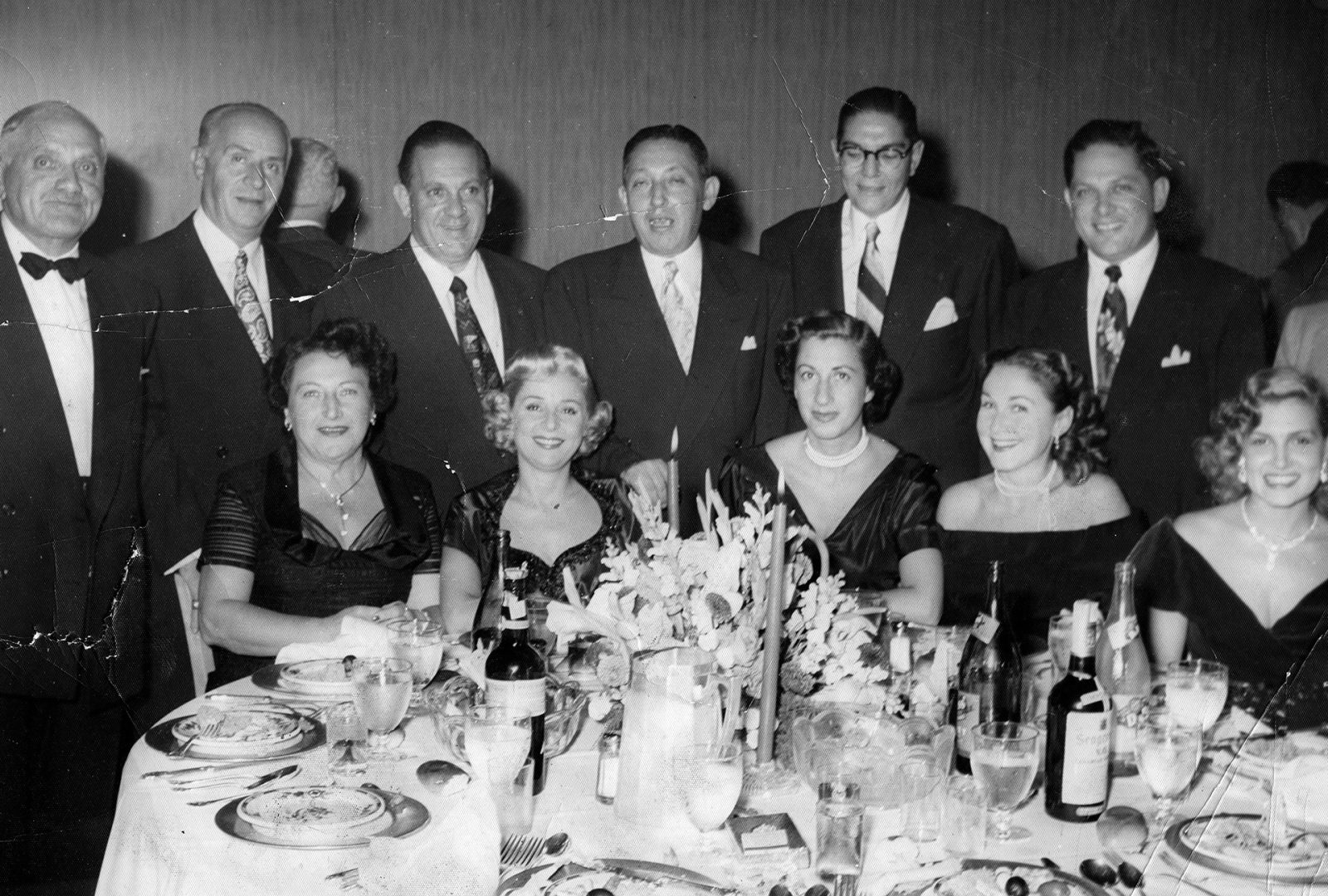
Kalikow Family Dinner

Top row, left to right: Joseph Kalikow, Abraham Citrin (Juliet Kalikow’s father; Peter’s grandfather), Harold Kalikow, Unknown, Milton Levine, Sidney Kalikow
Bottom row, left to right: Rose Citrin (Juliet Kalikow’s stepmother; Peter’s grandmother), Juliet Kalikow, Alaine Levine, Pearl Kalikow, Marjorie Kalikow

According to Peter Kalikow, his father Harold mostly negotiated for ownership of the buildings in Queens, a move that “spoke to his real estate instincts,” said Peter, as Harold Kalikow knew that the value of the real estate in Queens would continue to rise in the years to come. Harold would again prove his real estate prowess when negotiating a similar deal during the company’s division a decade later.

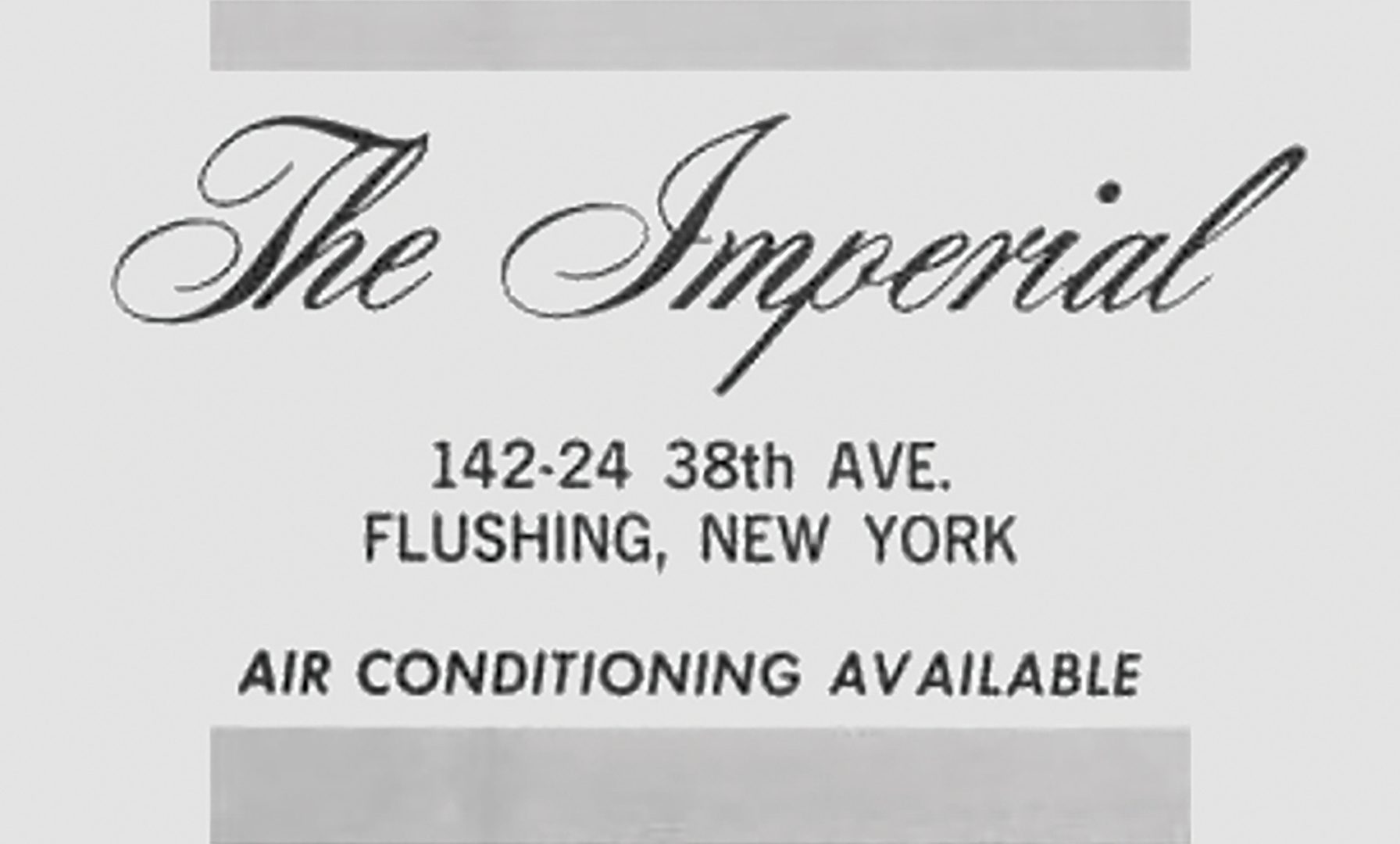
Despite competing views on development and the future of the company, the brothers continued to work together for the next ten years. They finished the development of their Jamaica and Briarwood tract as well as developments in Kew Gardens and Flushing. The developments included Claridge: 141-60 8th Road (1955); Amherst: 83-20 141st Street (1955); Carlton: 83-35 139th Street (1955); Eden Rock: 84-01 Main Street (1956); Griswald: 141-05 Pershing Crescent (1959); Newport: 71-40 112th Street (1961); Lombardy: 85-10 120th Street (1961); Monaco Gardens: 149-01 41st Ave (1963); Lido: 601 East 18th Street (1964); Imperial: 142-24 38th Avenue (1965); Barbizon: 142-05 Roosevelt Avenue (1965).

The Kalikow Construction Corp. logo, which appeared on the advertising brochures for Joseph Kalikow’s apartment buildings. It is unknown where the date 1914 comes from in reference to “Builders Since 1914.”

Like most of Joseph Kalikow’s apartment buildings, Hyde Park was located directly near a subway station making it a desirable place to live due to the ease of transportation.

Throughout the 1960s, the company owned and managed over 50 properties housing 6,000 families. As a husband and father who understood the needs of families, Harold Kalikow was able to design and build apartments that appealed to the growing population of families moving out to the suburbs.

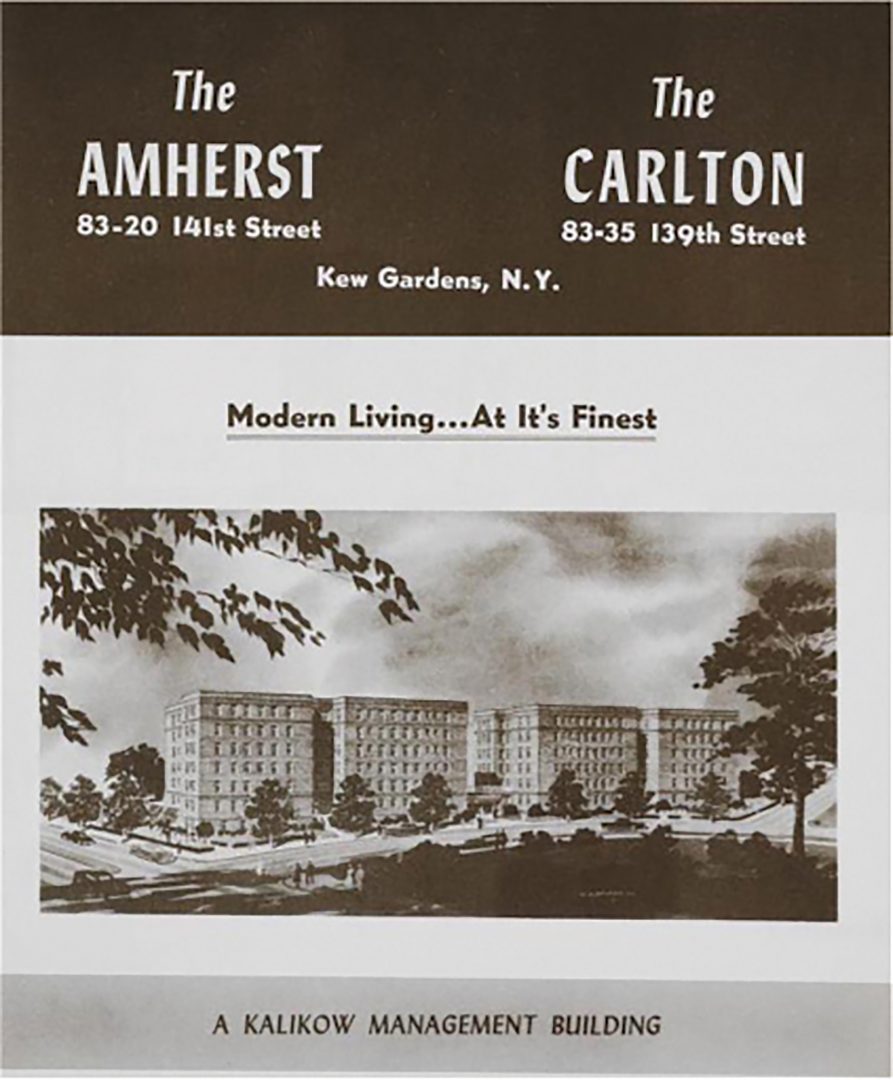
1955

A rental brochure for the Amherst and the Carlton in Kew Gardens, Queens

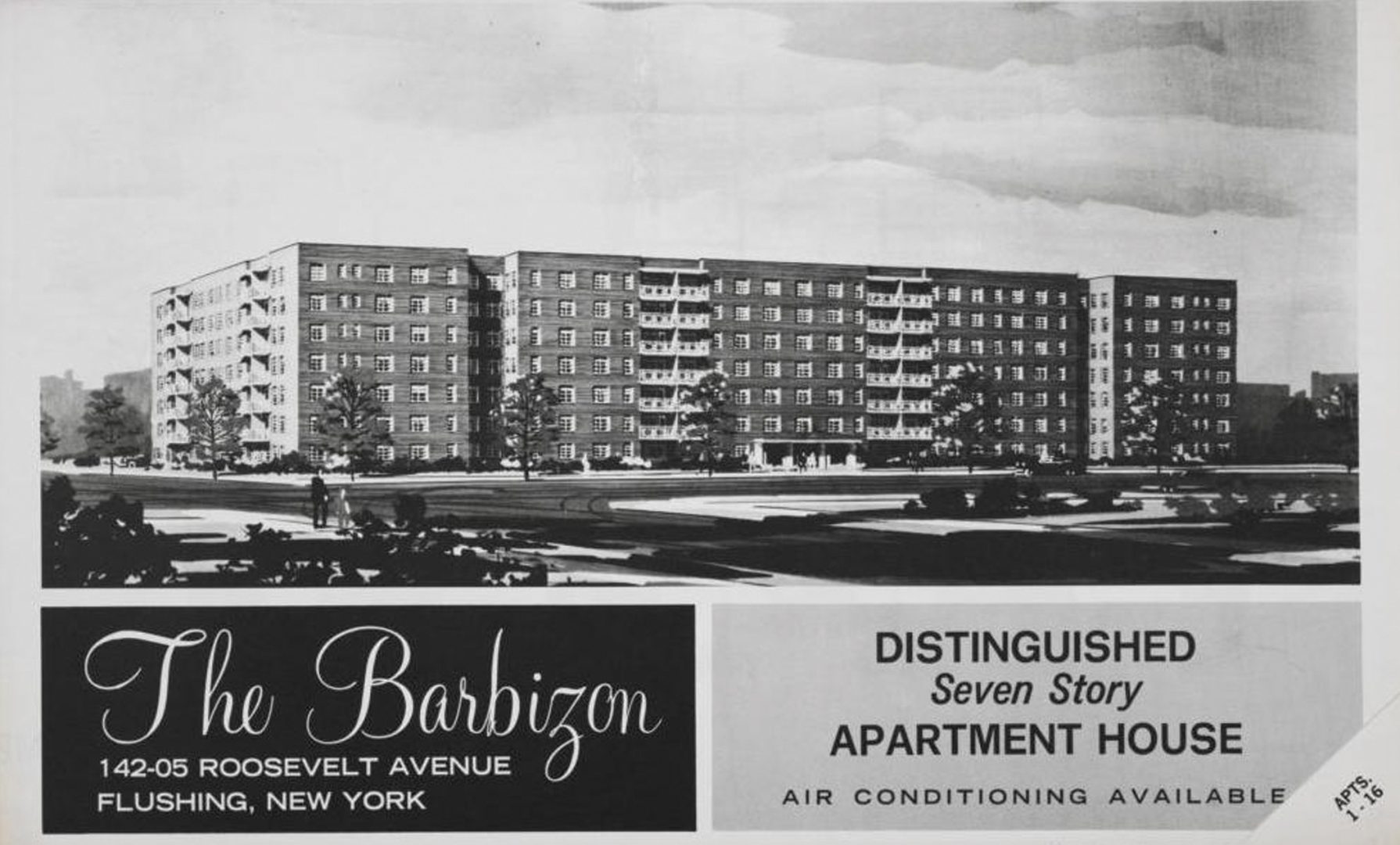
1965

A rental brochure for the Barbizon in Flushing, Queens

1965

A rental brochure for the Imperial in Flushing, Queens

Courtesy: Wally Gobetz/flickr.com

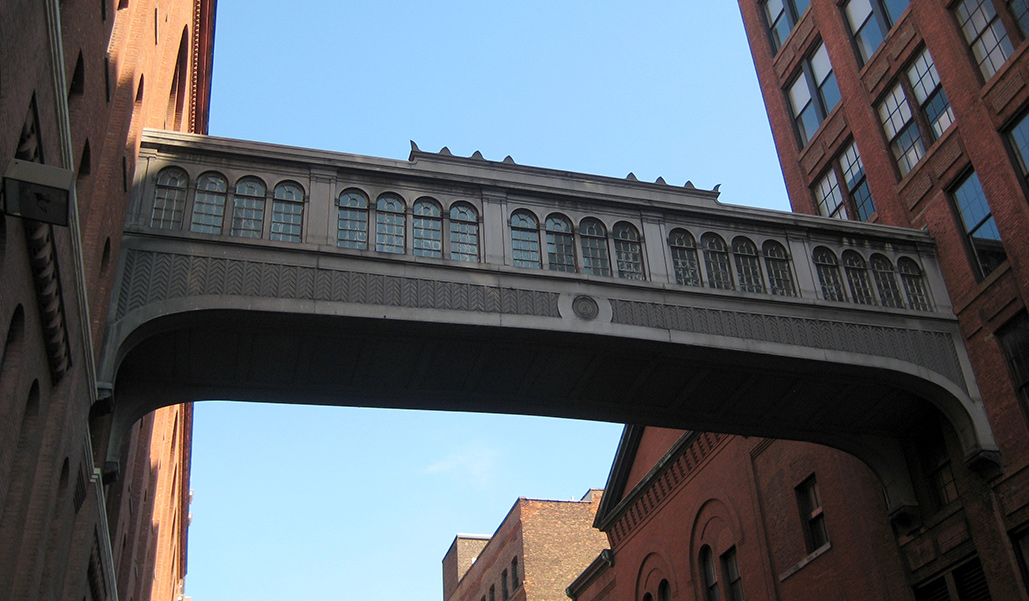
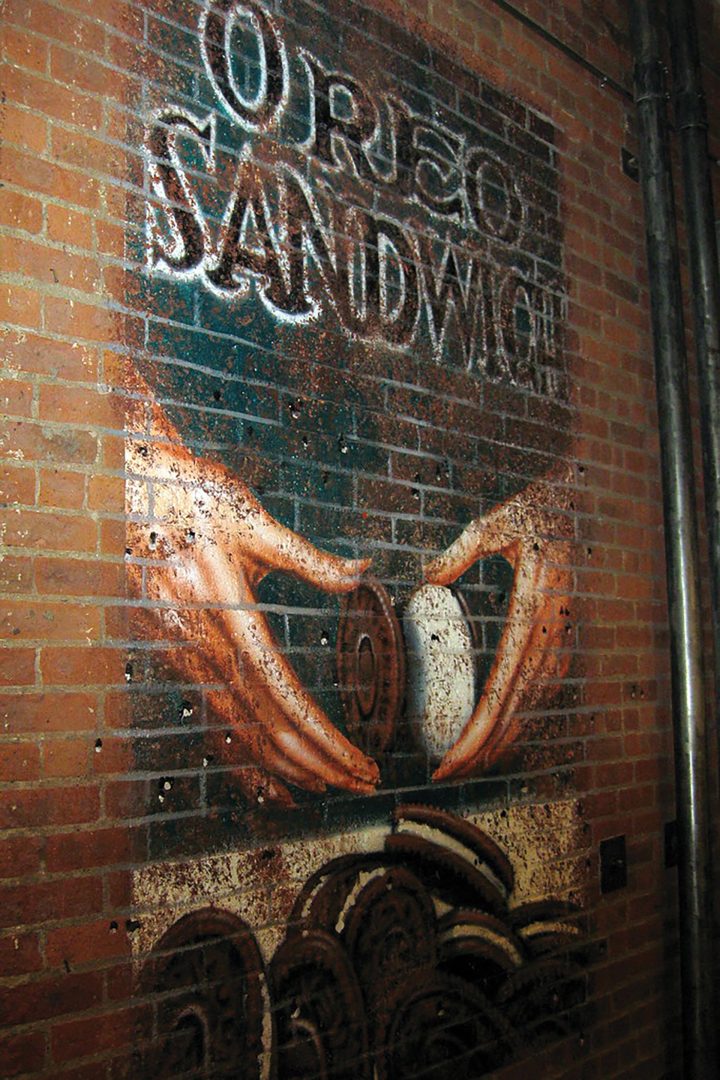
Chelsea Market as it stands today. The sky bridge pictured was originally used to connect the Nabisco factory to its neighboring office building. Many murals like the one to the right can be found around Chelsea Market today, paying homage to Nabisco and the building’s heritage.

Lessons Along the Way
THE NABISCO FACTORY

Almost 60 years before Google made the renowned Nabisco building its New York City headquarters in Chelsea, the Kalikows made an ill-fated effort to purchase the iconic property. Nabisco constructed the block-long facility along 10th Avenue at the turn of the century as it merged with other baking companies. However, in the late 1950s, the company relocated its headquarters to New Jersey, leaving the property’s future uncertain.

A considerable downside of having a company with three partners is the failure to agree on significant decisions, such as buying a large asset. With little experience in this incredibly underdeveloped section of the city, Nathan Kalikow prevailed in convincing the brothers to make this bold move. However, with no prospective tenants, and an untested commercial market, the move proved unsuccessful, costing the company what was then a small fortune and risking its future. Thankfully, with the lesson learned, the Kalikows forged on, returning to their founder’s roots in apartment building until the ultimate division of the company. It would not be until the early 1980s when HJ Kalikow & Co. made its successful foray into New York City commercial real estate.