Chapter Four

World War II

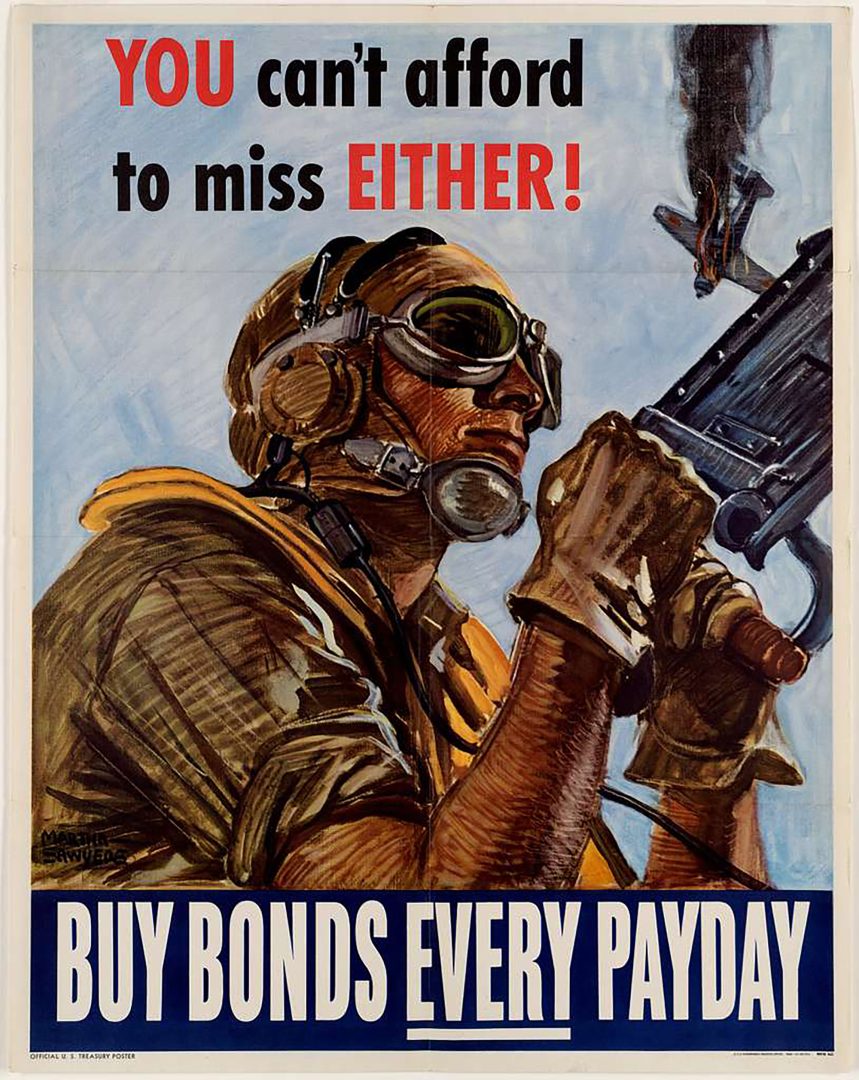
At the start of World War II, the War Production Board directed the use and production of resources and goods for the war efforts. Thousands of private companies were mandated to comply with government requirements and pivot their specializations.

As a result, in 1941, government officials directed the Kalikows to complete any buildings under construction and gave them a contract to build housing for workers at defense installations in Pennsylvania and New Jersey.
1940

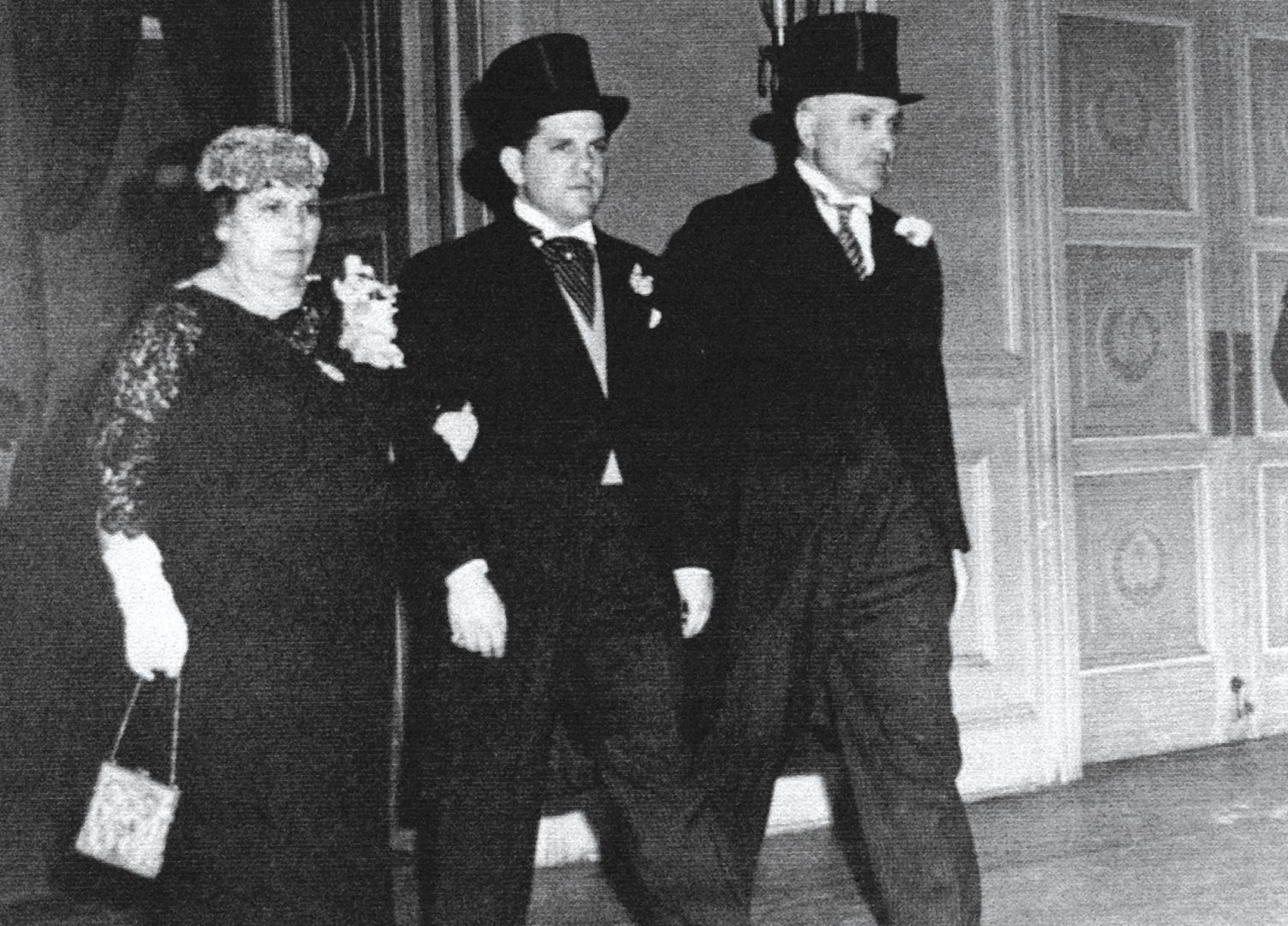
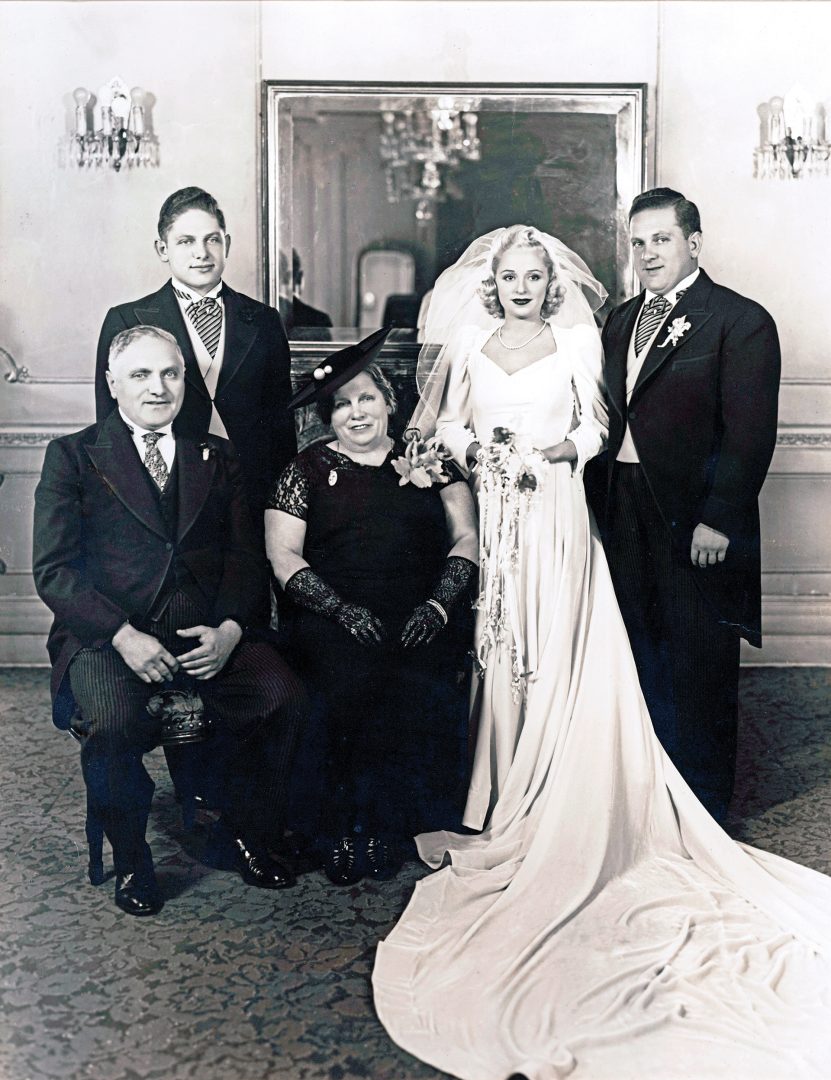
Joseph, Anna, and Sidney Kalikow join Harold and Juliet on their wedding day (September 29, 1940).

1944

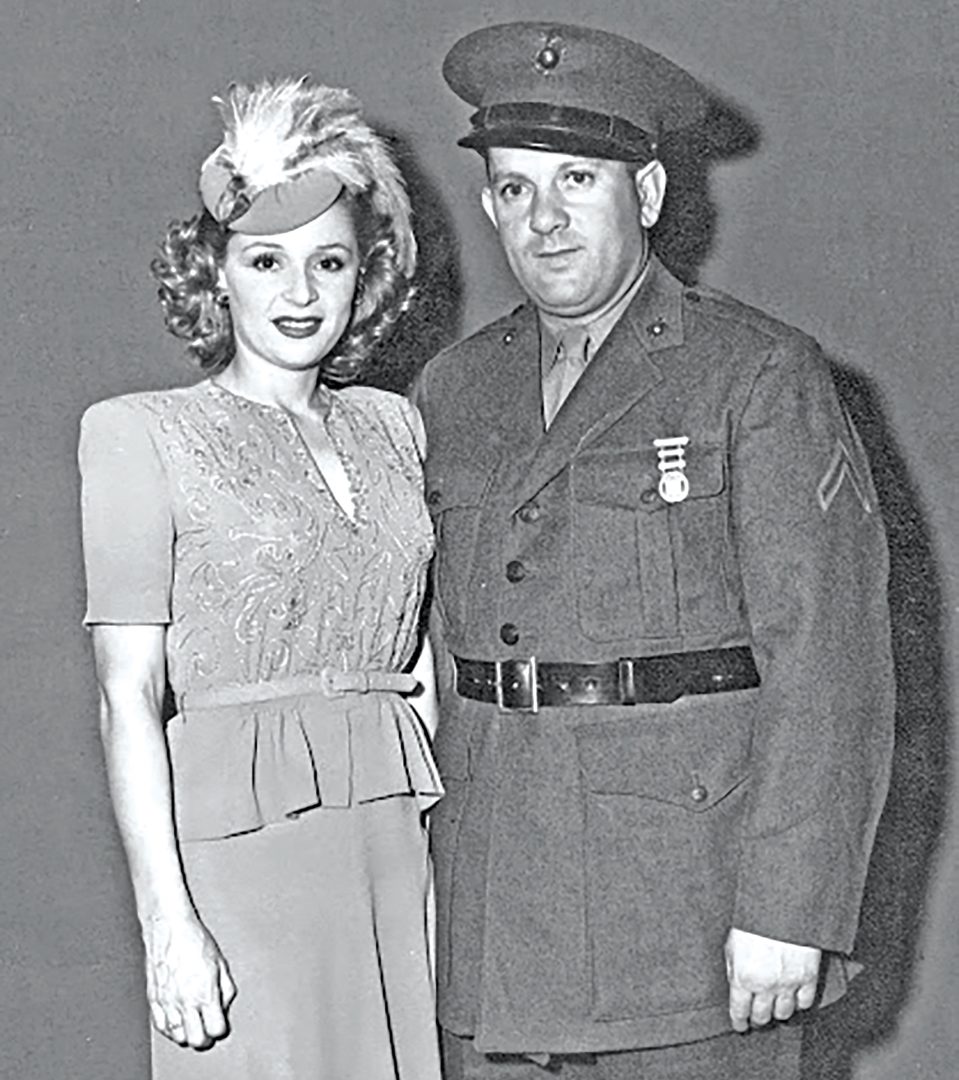
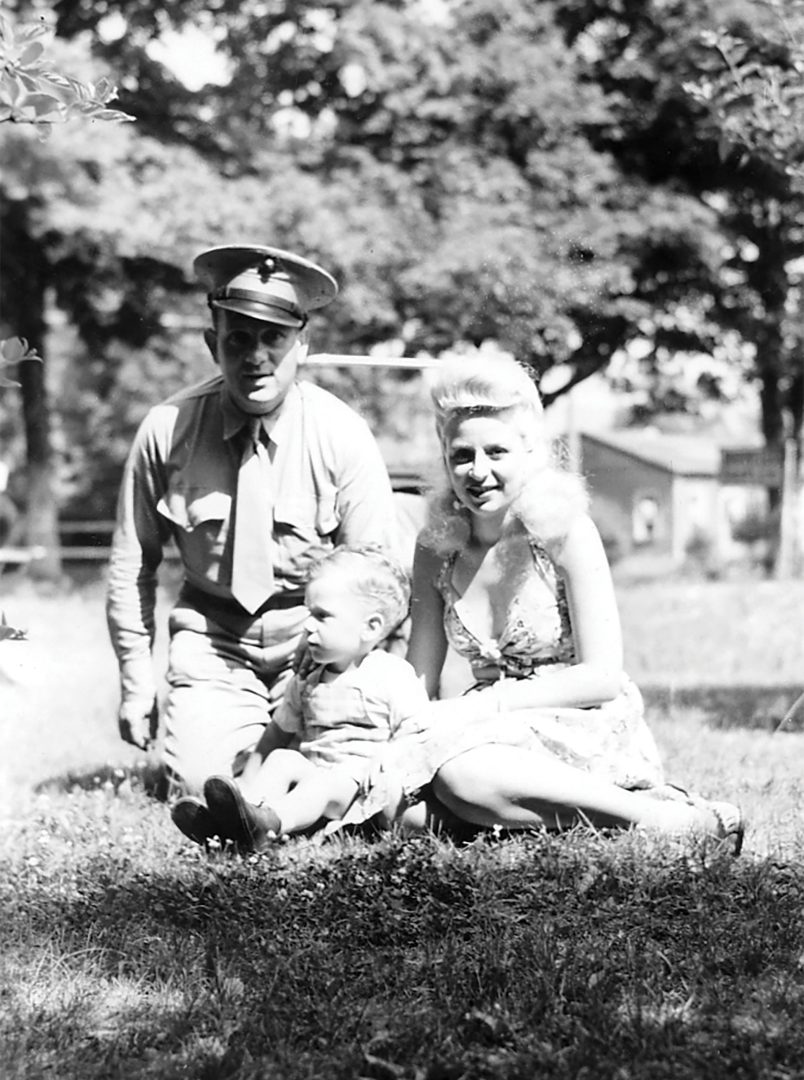
Harold Kalikow in uniform with wife Juliet and son Peter

Harold Kalikow led the project.

The program ended after two or three housing developments. However, with the demand for military weapons and construction skyrocketing, all nonessential civilian production and building were halted, and the Kalikows could not continue private real estate development.

Instead, they opened a packaging facility to continue helping the war effort.

When large wartime contractors produced parts for military equipment, they would ship them out to smaller distribution sites such as the Kalikows’. There, the parts were sorted and repackaged before being sent to their final destinations.

1940

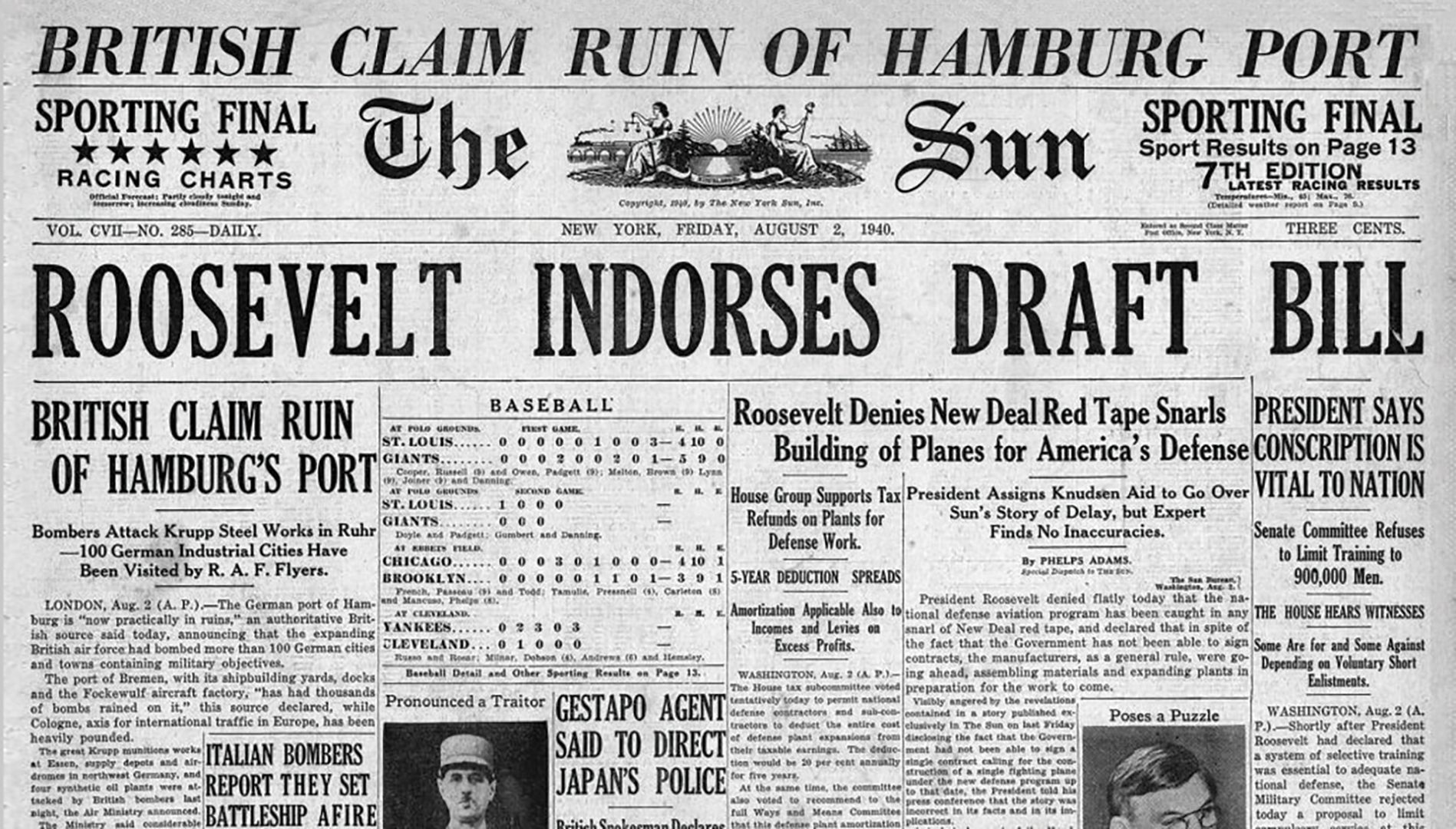
Congress enacted the Selective Training and Service Act in which all males between the ages of 21 and 35 were ordered to register for the draft. As World War II progressed, the draft age was lowered to 18, and men were called to service not by lottery number, but by age, with the oldest going first.

1940

Joseph and Anna Kalikow walk out their son Nathan on his wedding day (May 26, 1940).

Harold and Juliet Kalikow

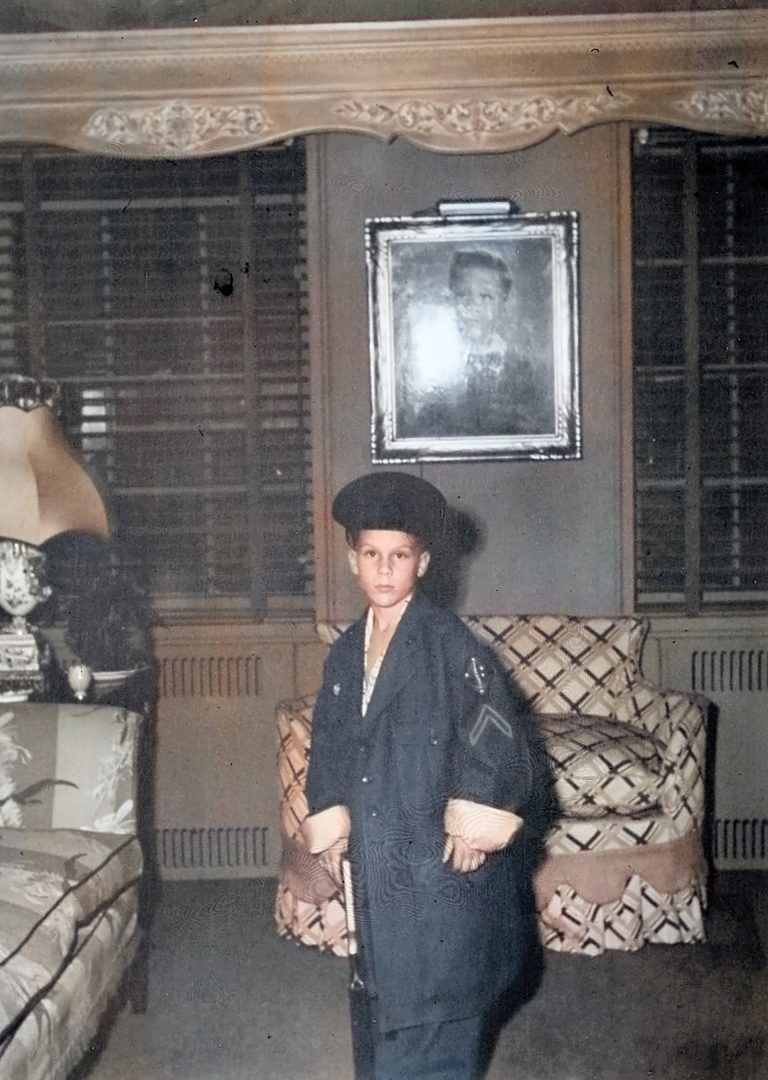
A young Peter Kalikow in his father’s World War II uniform

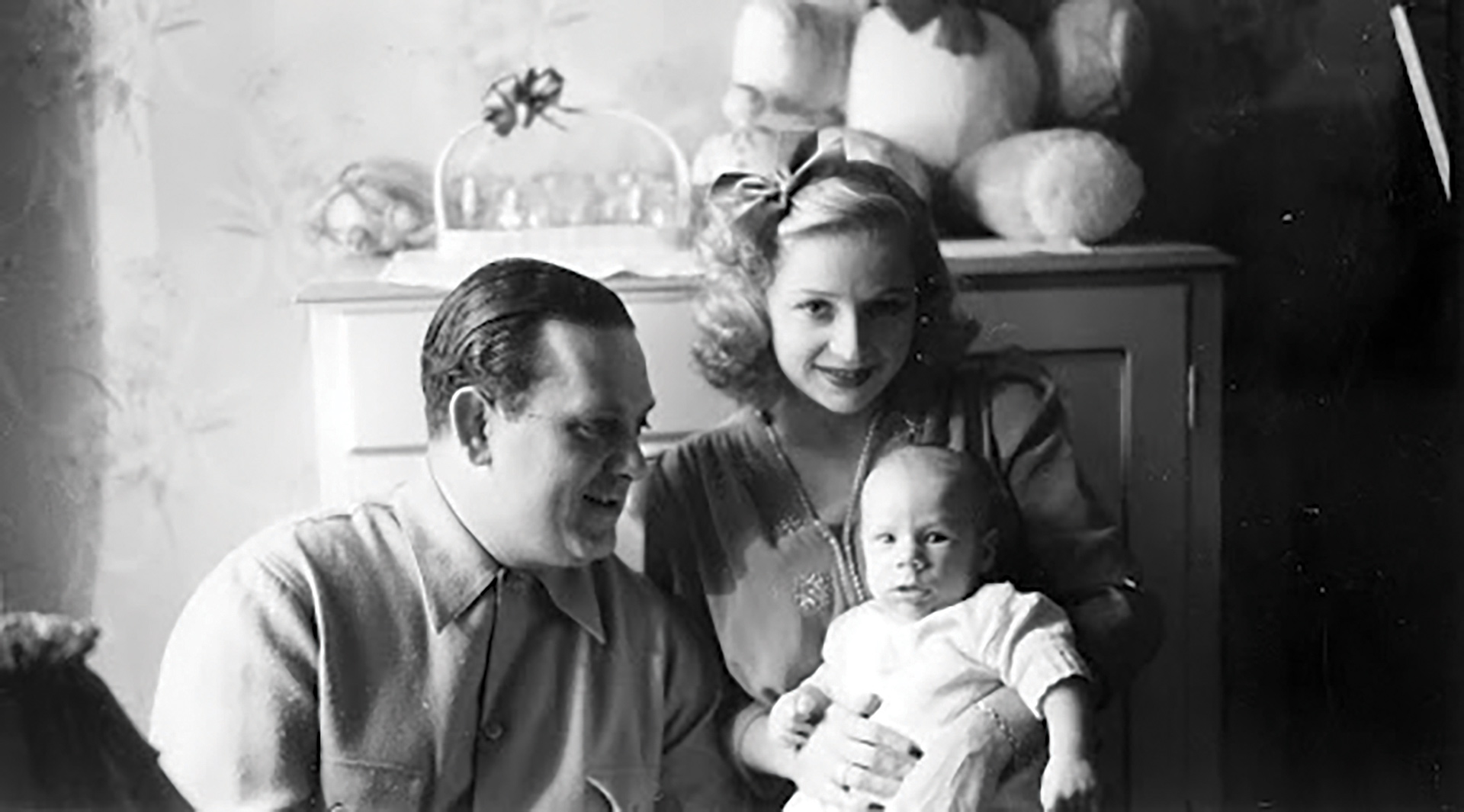
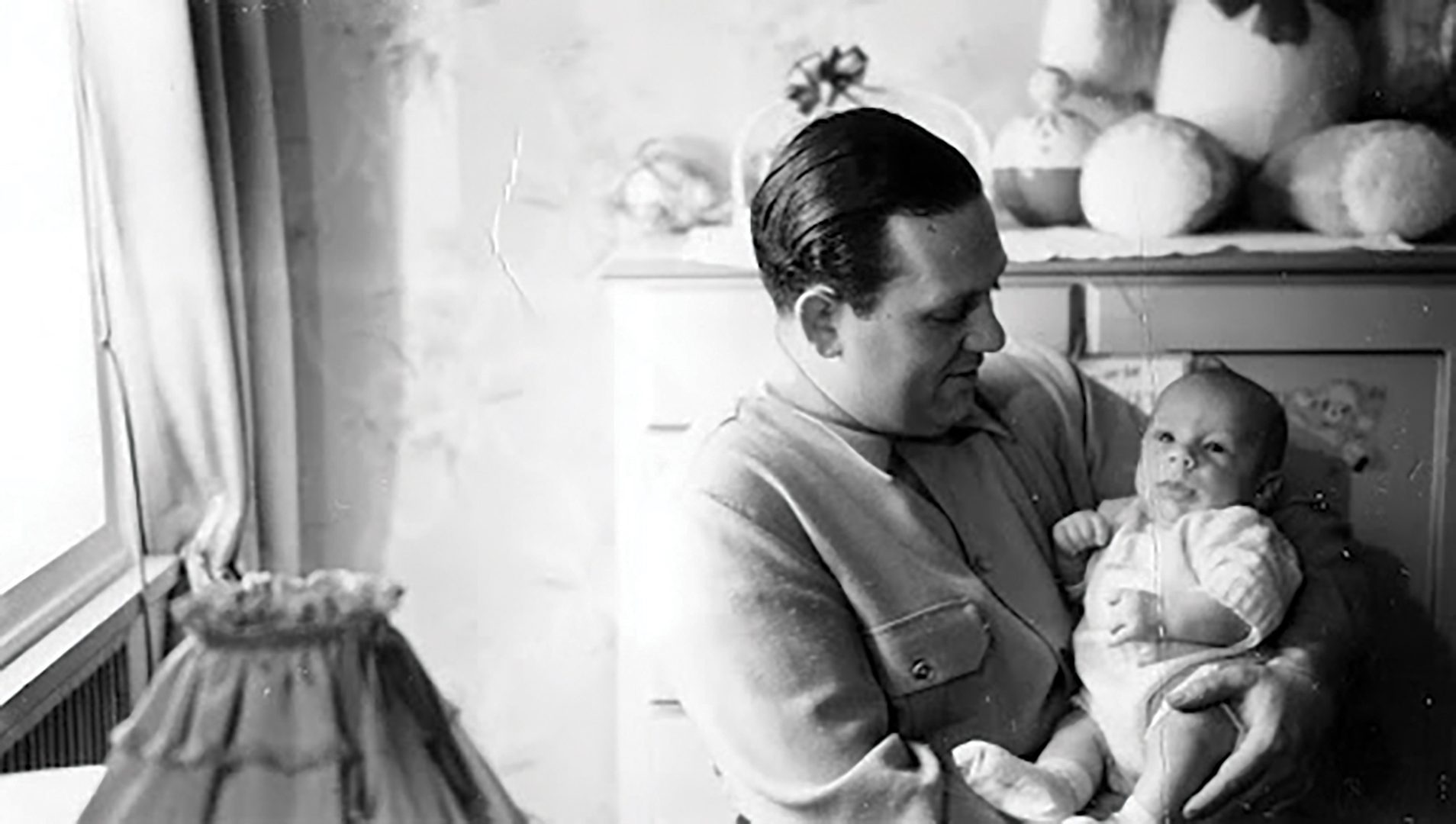
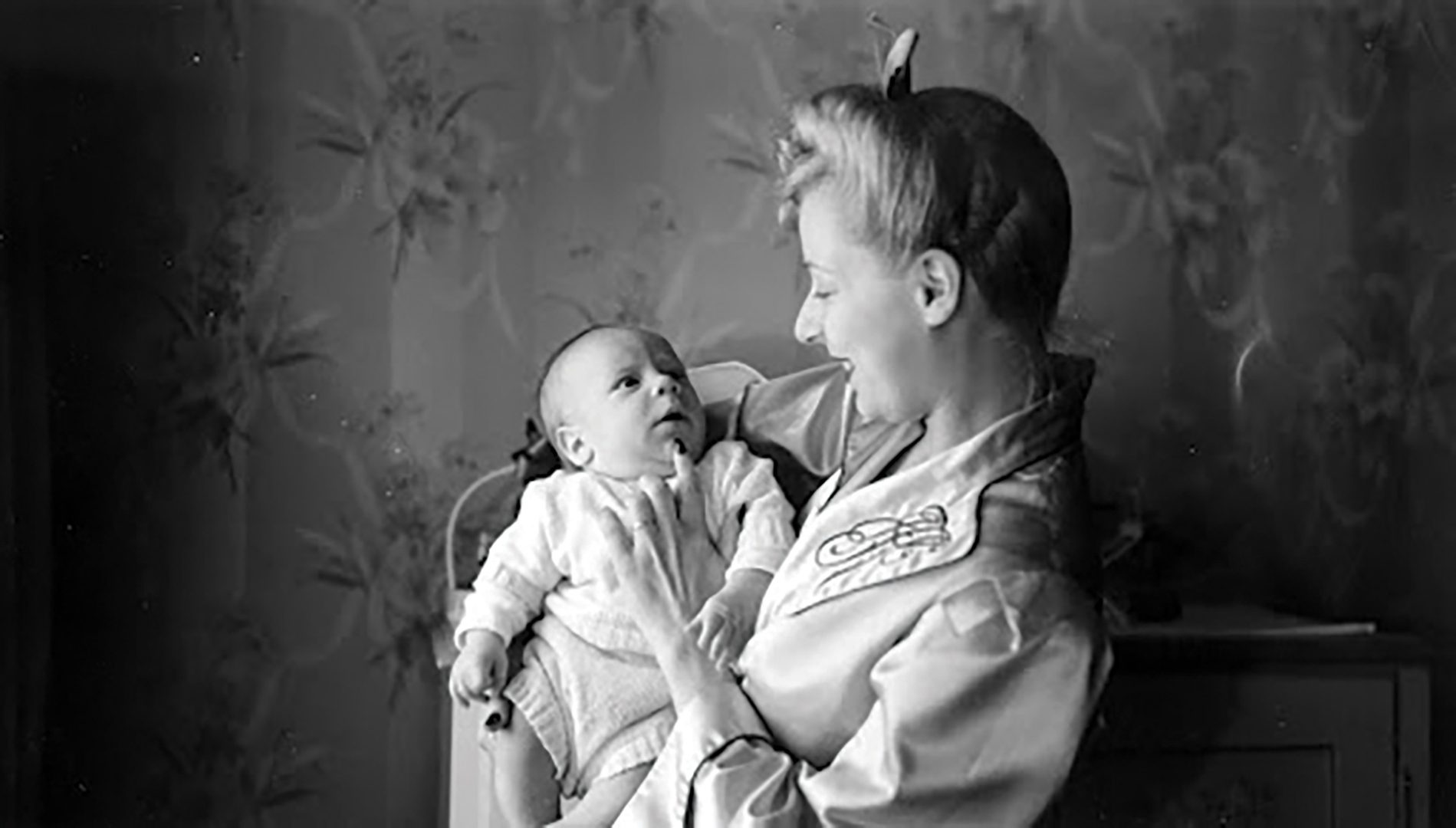
Harold and Juliet hold their newborn son Peter.

Harold and Juliet hold their newborn son Peter.

Harold and Juliet hold their newborn son Peter.

Together, Harold and Nathan Kalikow owned and ran the packaging facility, while their youngest brother, Sidney, managed existing real estate properties.

In March of 1943, Harold Kalikow was drafted into the Navy and said goodbye to his wife Juliet Citrin (m. Sept. 29, 1940) and newborn son Peter (b. Dec. 1, 1942).

In Harold’s absence, his father Joe stepped in to manage the company along with the help of his two other sons.

1942

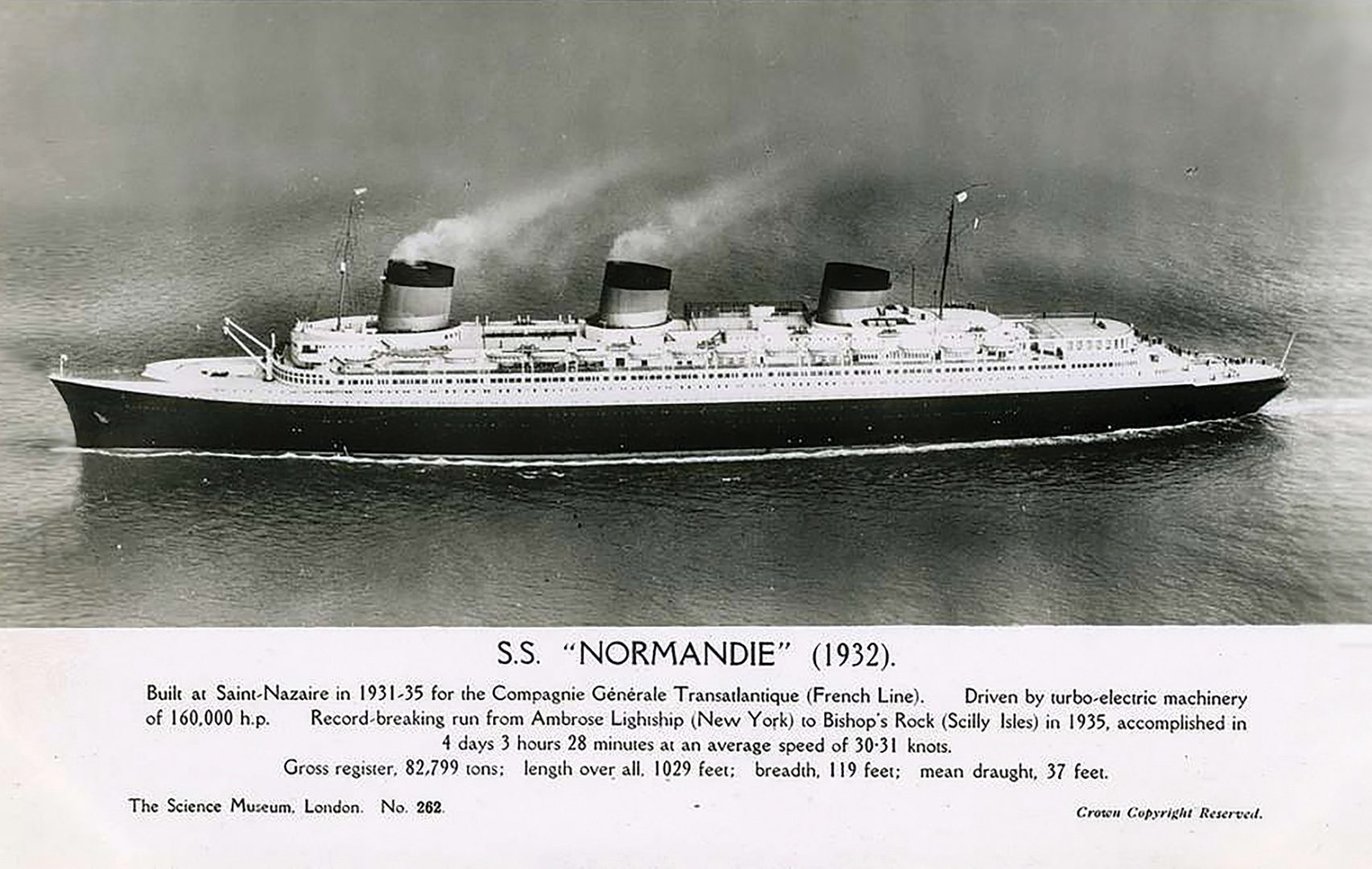
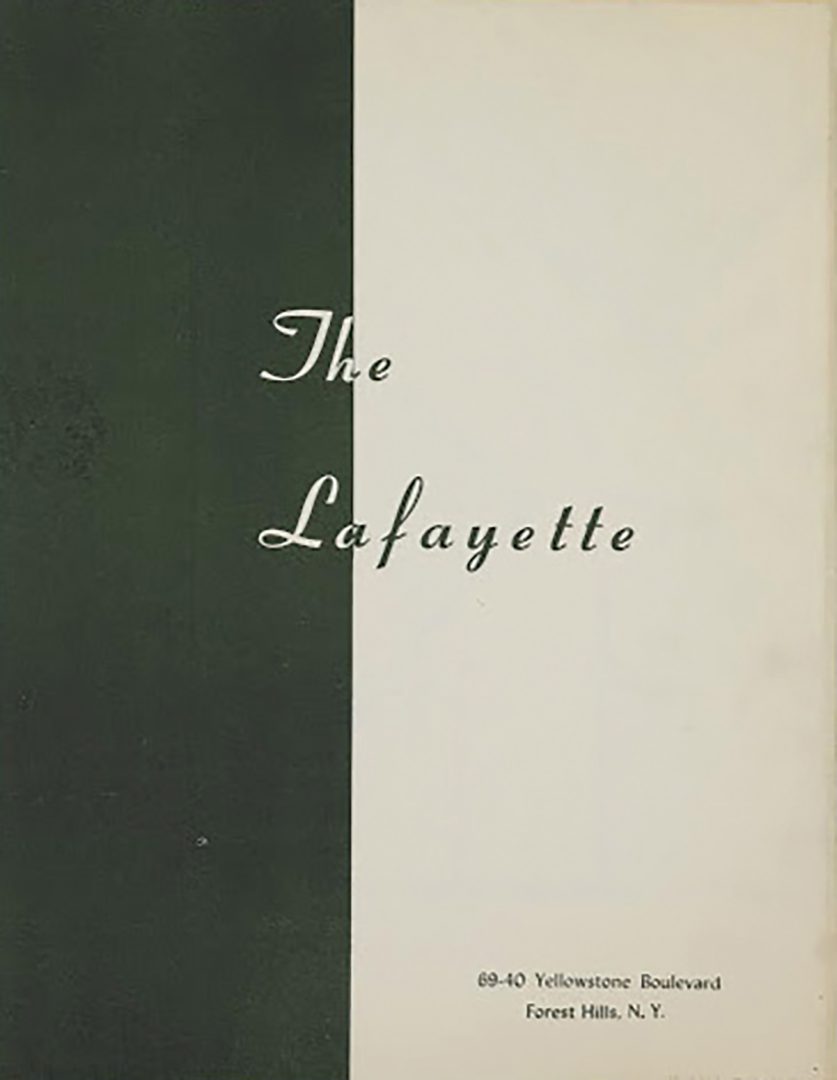
The Normandy and Lafayette buildings were named after the 1930s French ocean liner the SS Normandie, regarded as the largest and fastest passenger ship at the time. During WWII, U.S. officials took hold of the ship in New York and renamed it the USS Lafayette before it caught on fire and capsized while being converted to a troopship in 1942.

1942

A rental brochure for the Lafayette featuring an illustration of the building

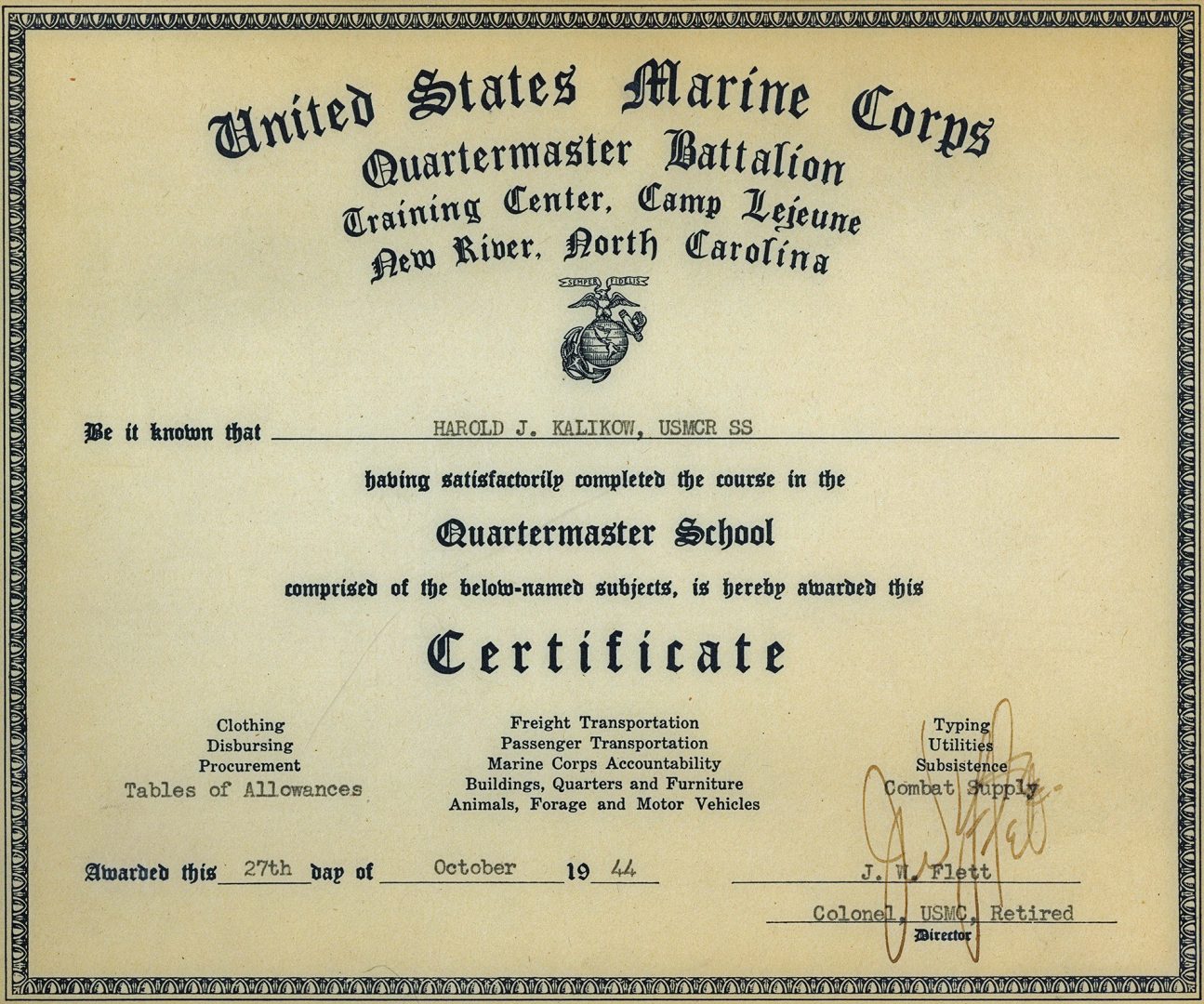
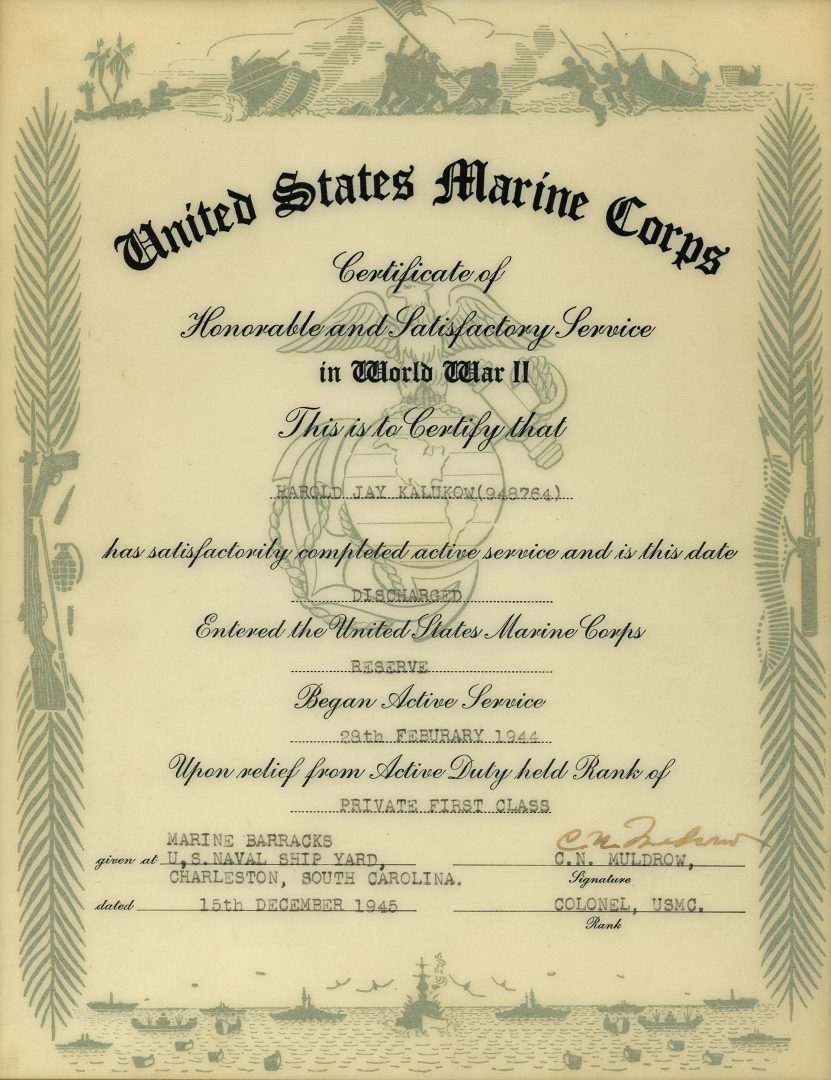
In February 1944, Harold Kalikow was transferred to the Marine Corps, where he trained as a quartermaster and served the 1st Marine Division, overseeing the distribution of supplies. He continued to serve until doctors detected a heart murmur after a Jeep1 accident. Kalikow was pulled from duty and honorably discharged on December 15, 1945.

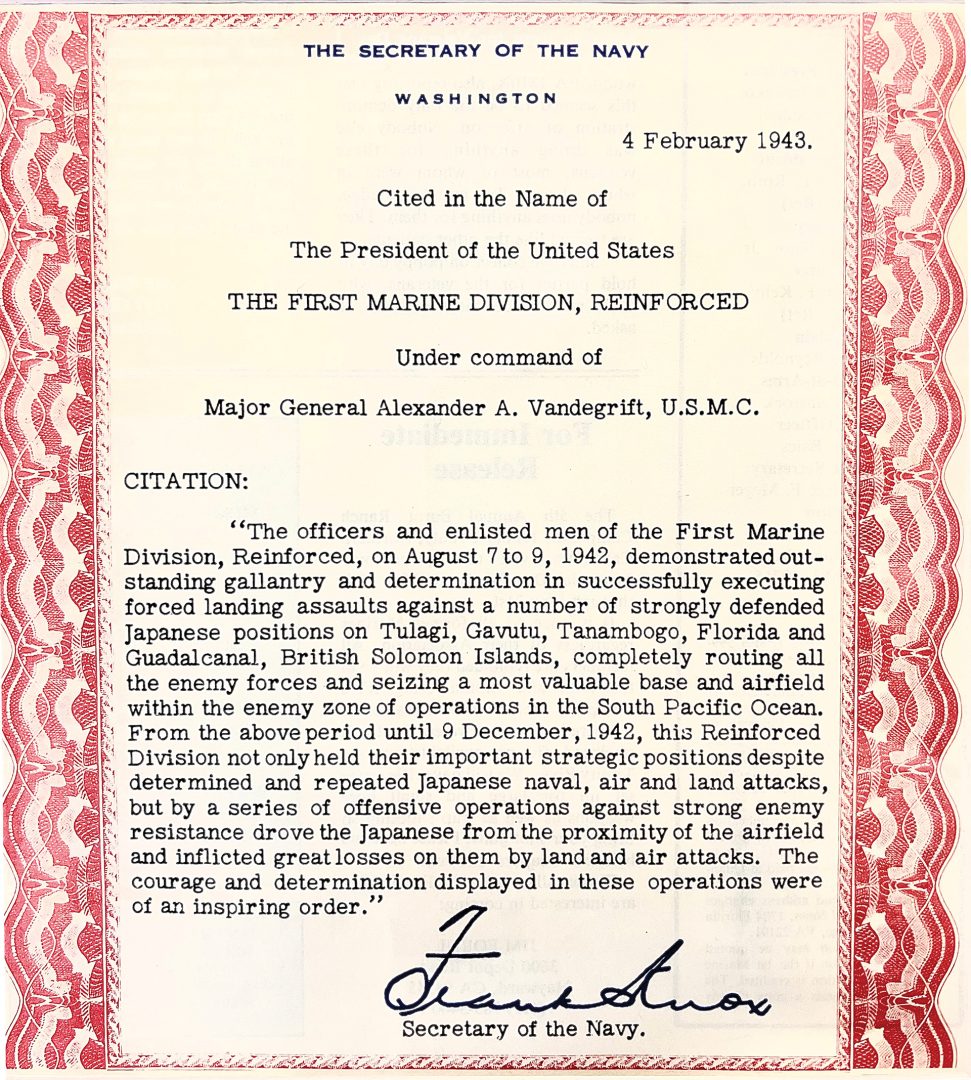
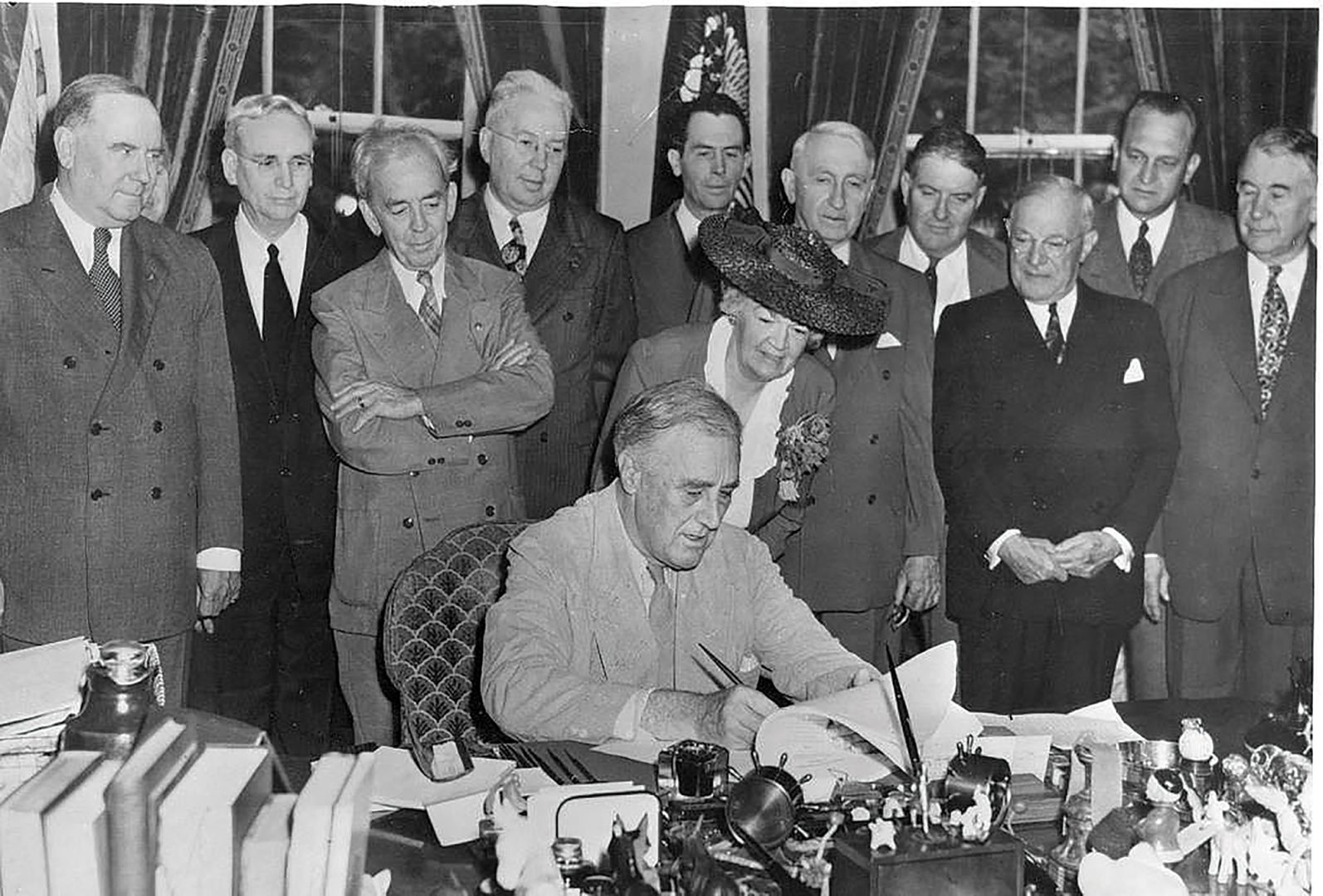
Members of the 1st Marine Division in which he served were awarded the division’s first Presidential Unit Citation from Secretary of the Navy Frank Knox and President Franklin D. Roosevelt for the Guadalcanal Campaign2 fought in the Pacific Theater between 1942 and 1943.

Although he did not actively fight in the campaign, Kalikow was recognized for his contributions along with other members of his unit.

1943

An original copy of the Presidential Unit Citation given to the First Marine Division by President Roosevelt and signed by Secretary of the Navy Frank Knox.

1944

Harold Kalikow’s quartermaster training certificate from World War II

1945

Harold Kalikow’s honorable discharge certificate from World War II

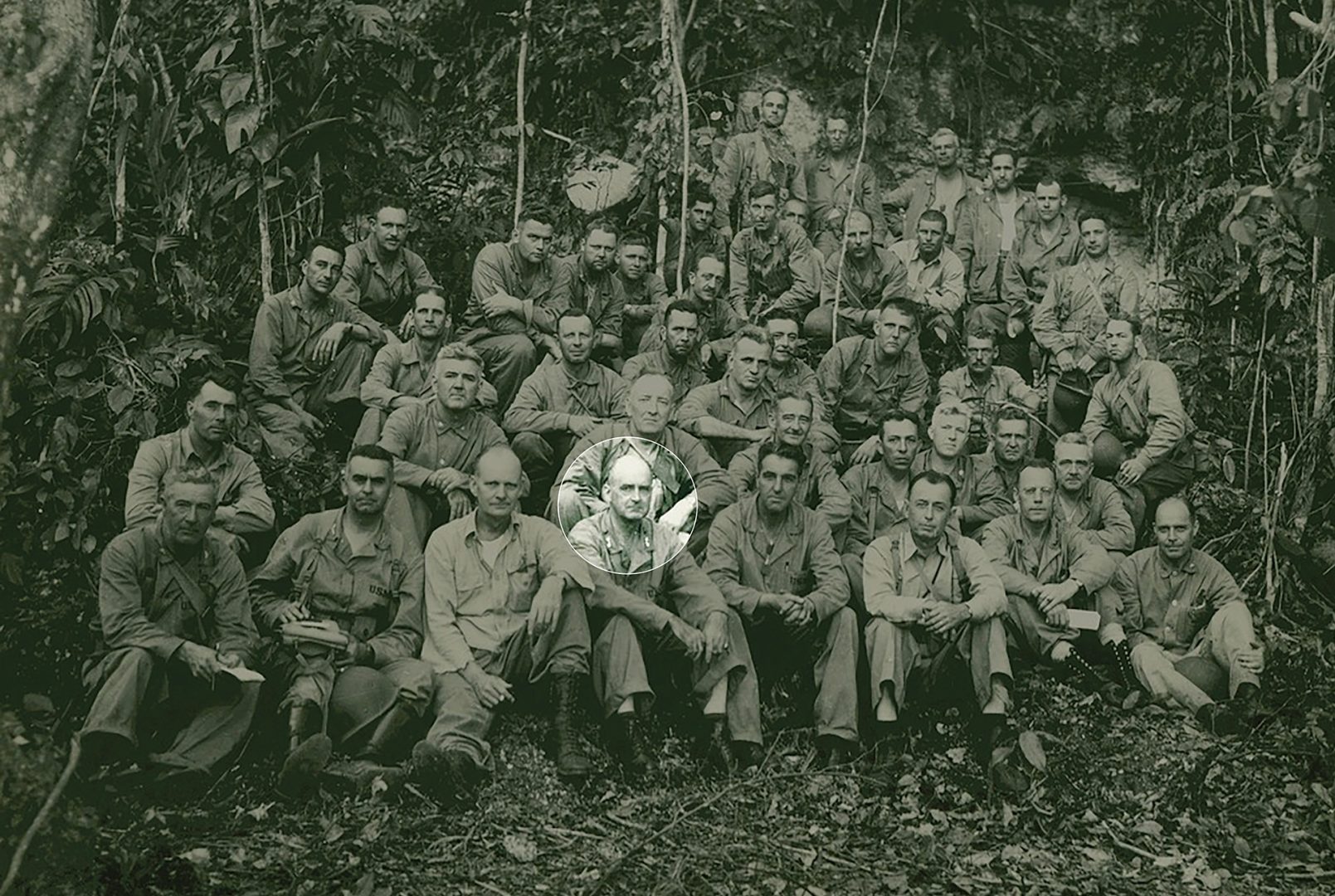
Major General Alexander Archer “Archie” Vandegrift is pictured with the 1st Marine Division. As the commanding general, Vandegrift led his unit to victory in the Battle of Guadalcanal. Following the campaign, Vandegrift received the Navy Cross and the Medal of Honor. In 1945, he was appointed general, the first marine officer on active duty to attain four-star rank. According to Peter Kalikow, General Vandegrift was not only his father's hero but also became one of his own World War II heroes as he began studying the topic.

From the collection of Clifton B. Cates (COLL/3157), United States Marine Corps Archives & Special Collections

OFFICIAL USMC PHOTOGRAPH


FOOTNOTES

(1) Jeeps originated in 1940 during World War II when the United States Army requested the production of a lightweight, multi-terrain vehicle. Bantam built the first prototype, but the government ultimately awarded contracts to Willys-Overland and Ford for mass production of the Willys MB and Ford GPW, which became known worldwide as “jeeps.” The first civilian Jeep brand, the CJ (Civilian Jeep), was introduced by Willys-Overland in 1945, laying the groundwork for modern Jeep vehicles.

(2) The Guadalcanal campaign, led by the U.S. Marines, was the first major land offensive of the Allied powers, against Japan. It represented a turning point in the Allies’ operations from defensive to offensive and gave them a strategic advantage over Japan in the Pacific Theater.