Chapter Eleven

101 Park Avenue

In the late 1970s, HJ Kalikow relocated its offices to 90 Park Avenue, diagonally across from 101 Park Avenue. Part of the reason Kalikow decided to relocate was because the rent cost about half as much around that particular location. Crime was high in New York City, and Midtown was, as Kalikow puts it, “a terrible area.” Therefore, most business owners were not eager to relocate to Midtown. According to Peter Kalikow, a new office building had not been constructed in the vicinity in nearly a decade.

The property at the 101 Park site, which Chase Manhattan Bank owned, consisted of five buildings: three with twelve stories and two with six stories, along with a parking lot. Kalikow, seeing the dated buildings every day from his office across the street, envisioned their potential as well as the future of Midtown.

Once Edward I. Koch was elected as mayor of New York City in 1978, Kalikow was hopeful that Koch’s leadership would improve living conditions and lower crime rates.
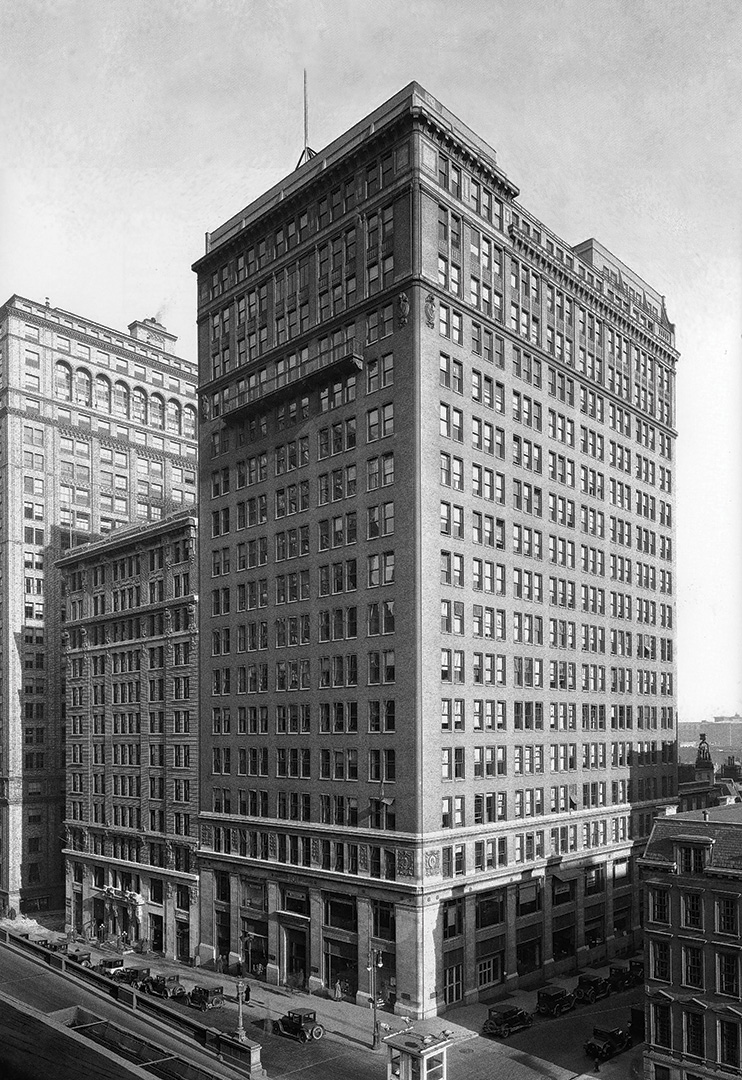
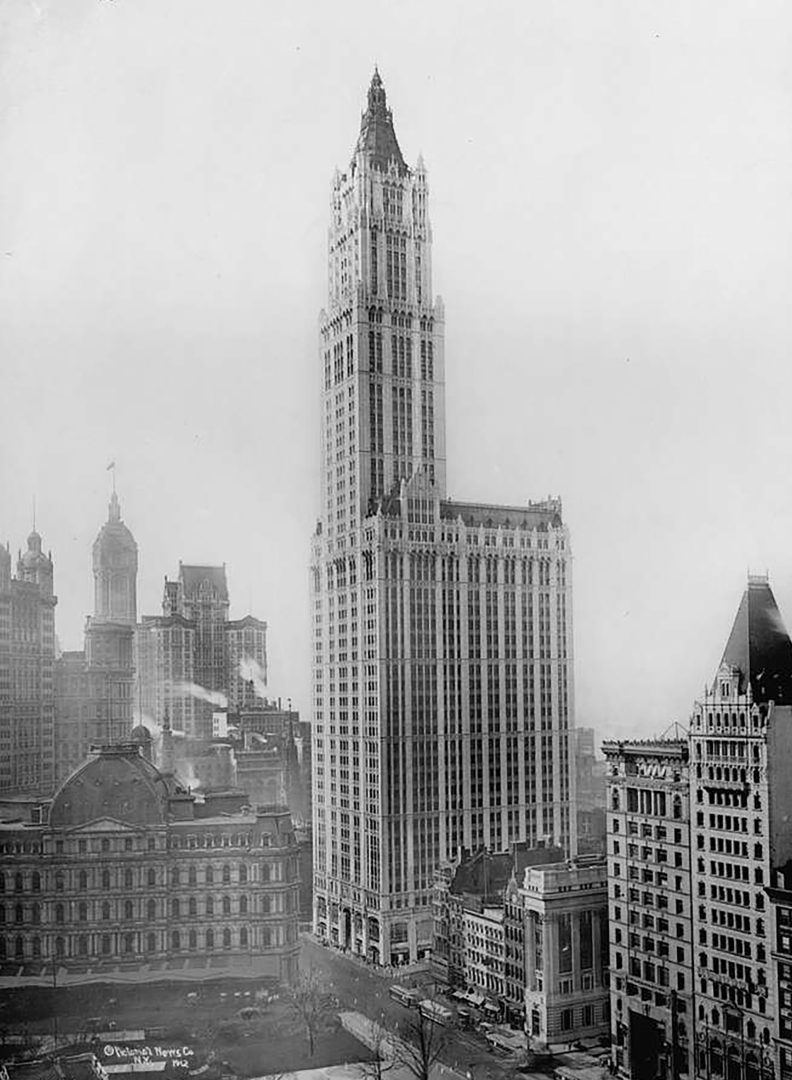
Old 101 Park site circa 1924

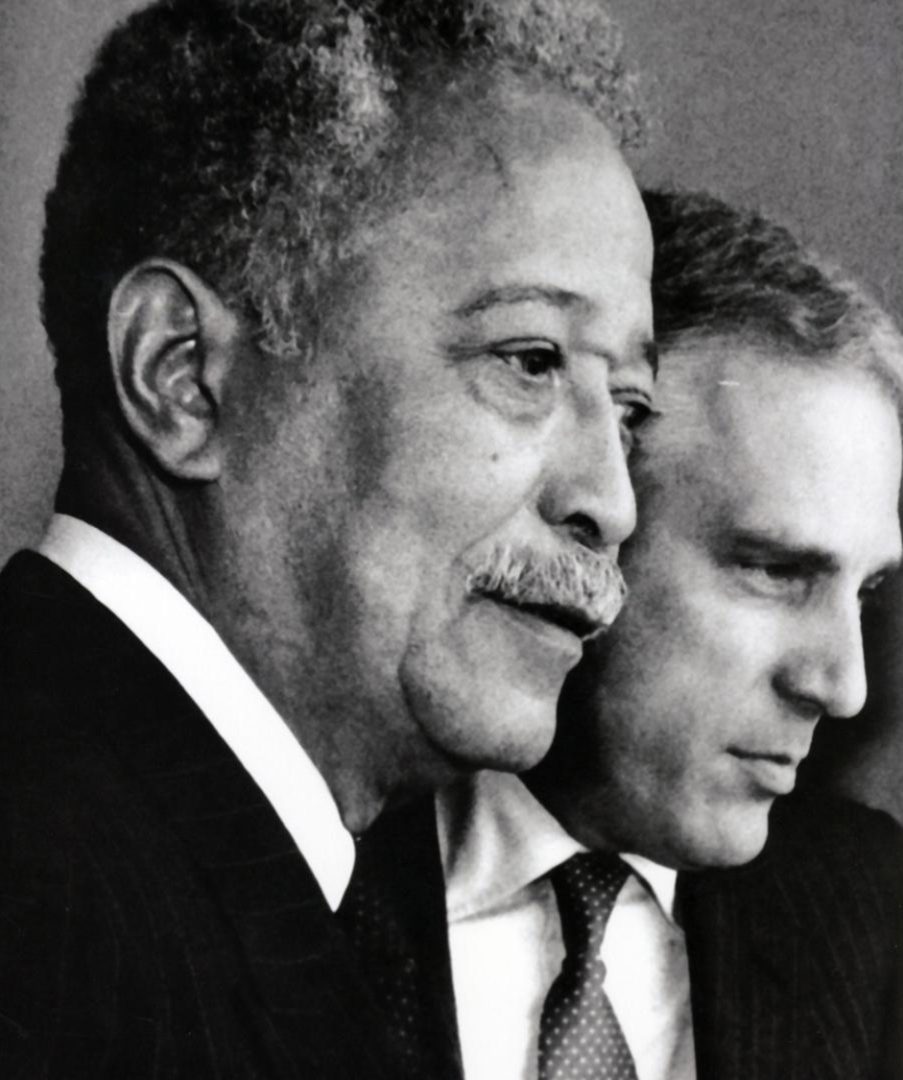
Peter Kalikow shakes hands with the late Ed Koch. The two shared a close friendship over the years.

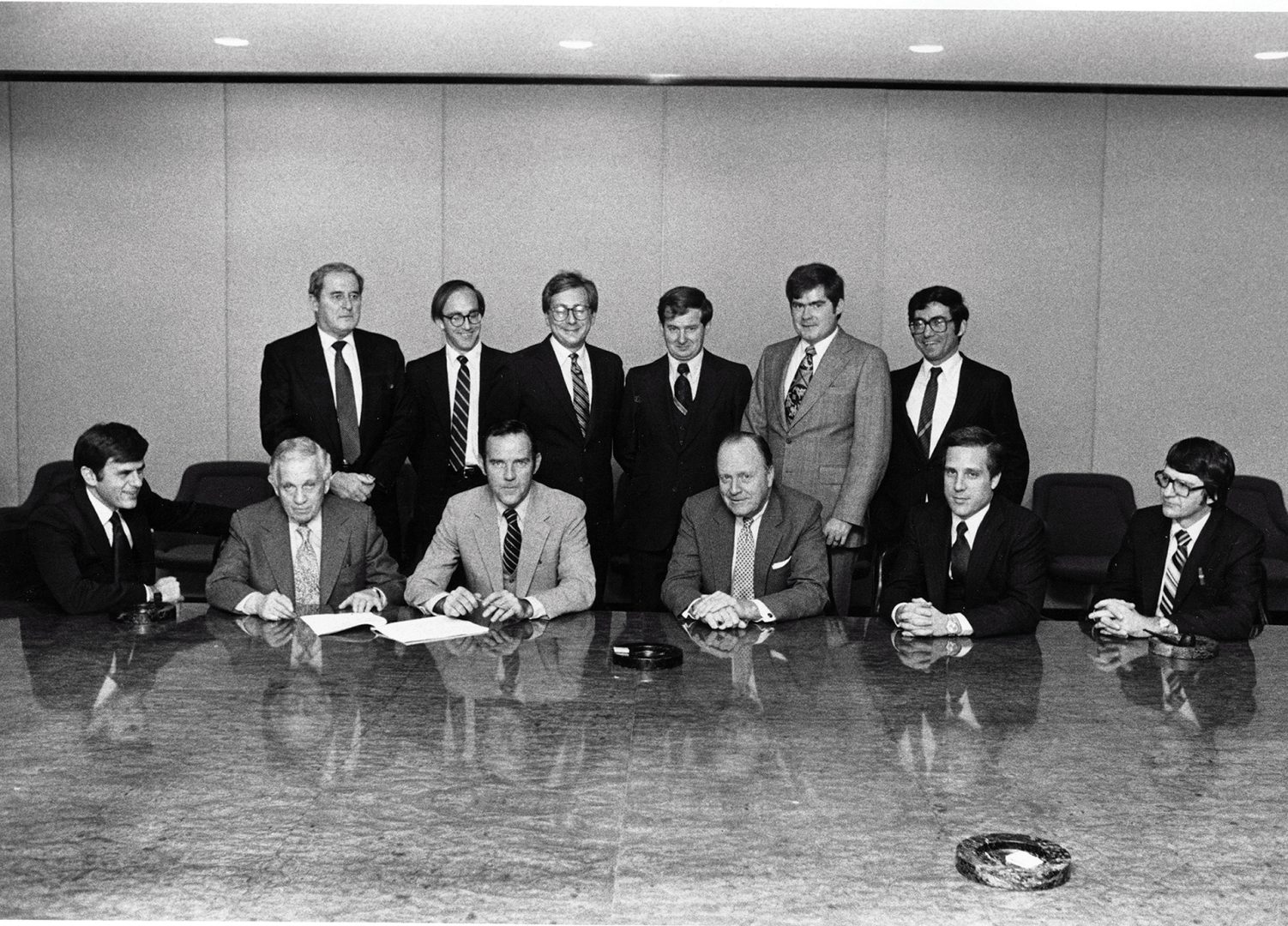
Top row, left to right: unknown, unknown, unknown, John Finn, Daniel Cremins, David Lavipour.
Bottom row, left to right: Harold Kalikow, Gregory Brennan, Conrad Stevenson, Peter Kalikow, unknown.

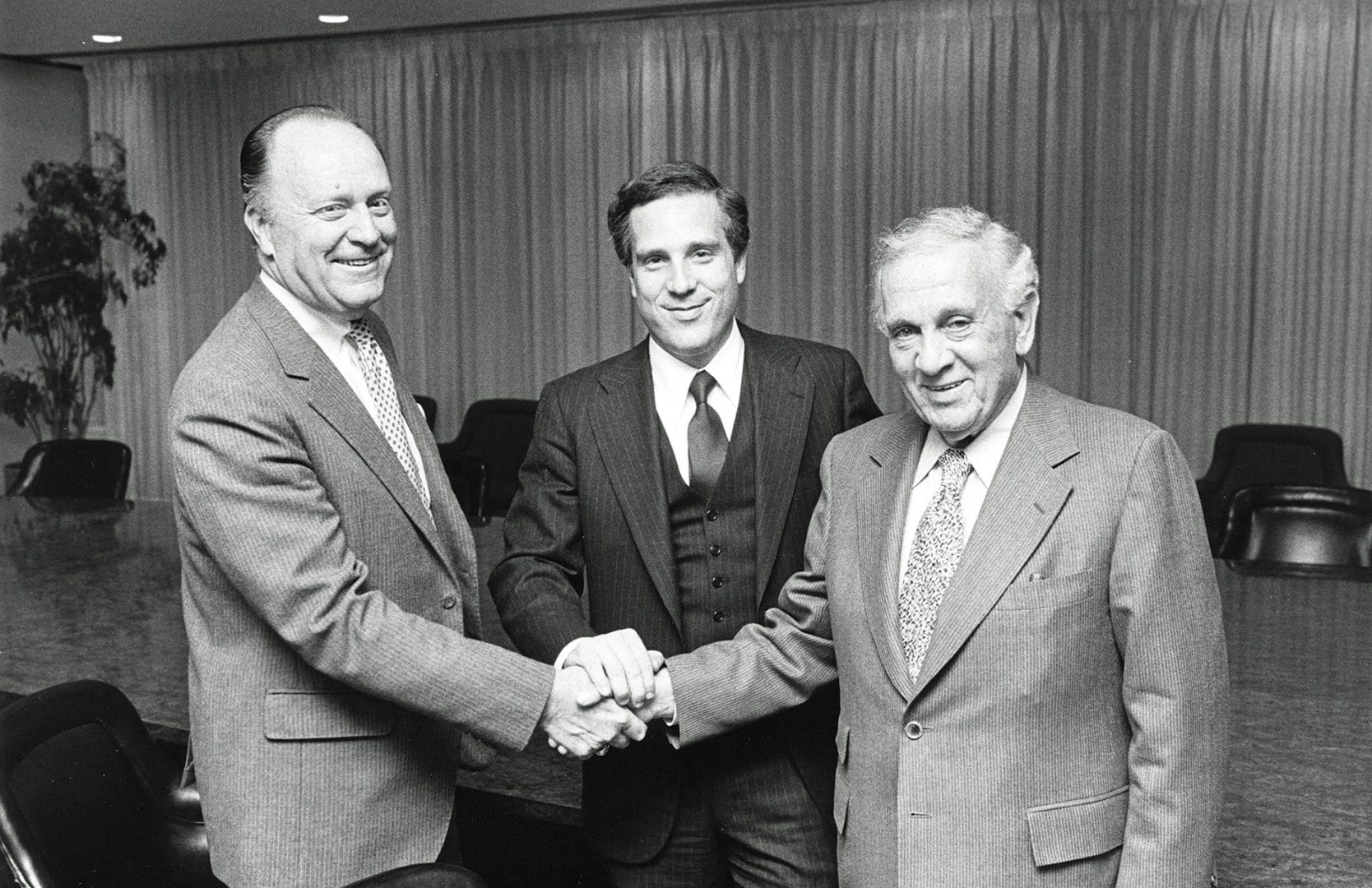
“Builders’ banker” and former Vice President of Chase Bank Conrad Stevenson, Peter Kalikow, and Harold Kalikow shake hands at the 101 Park Avenue mortgage closing.

Another critical factor that influenced Kalikow’s interest in the site was its proximity to Grand Central Terminal. According to Peter, when his grandfather Joseph began construction on a site, Joseph’s wife, Anna, would visit and her first question was, “Where’s the subway station?” followed by “Where are the schools and shopping?” These questions stayed with Peter over the years, inspiring him to build near transit hubs.

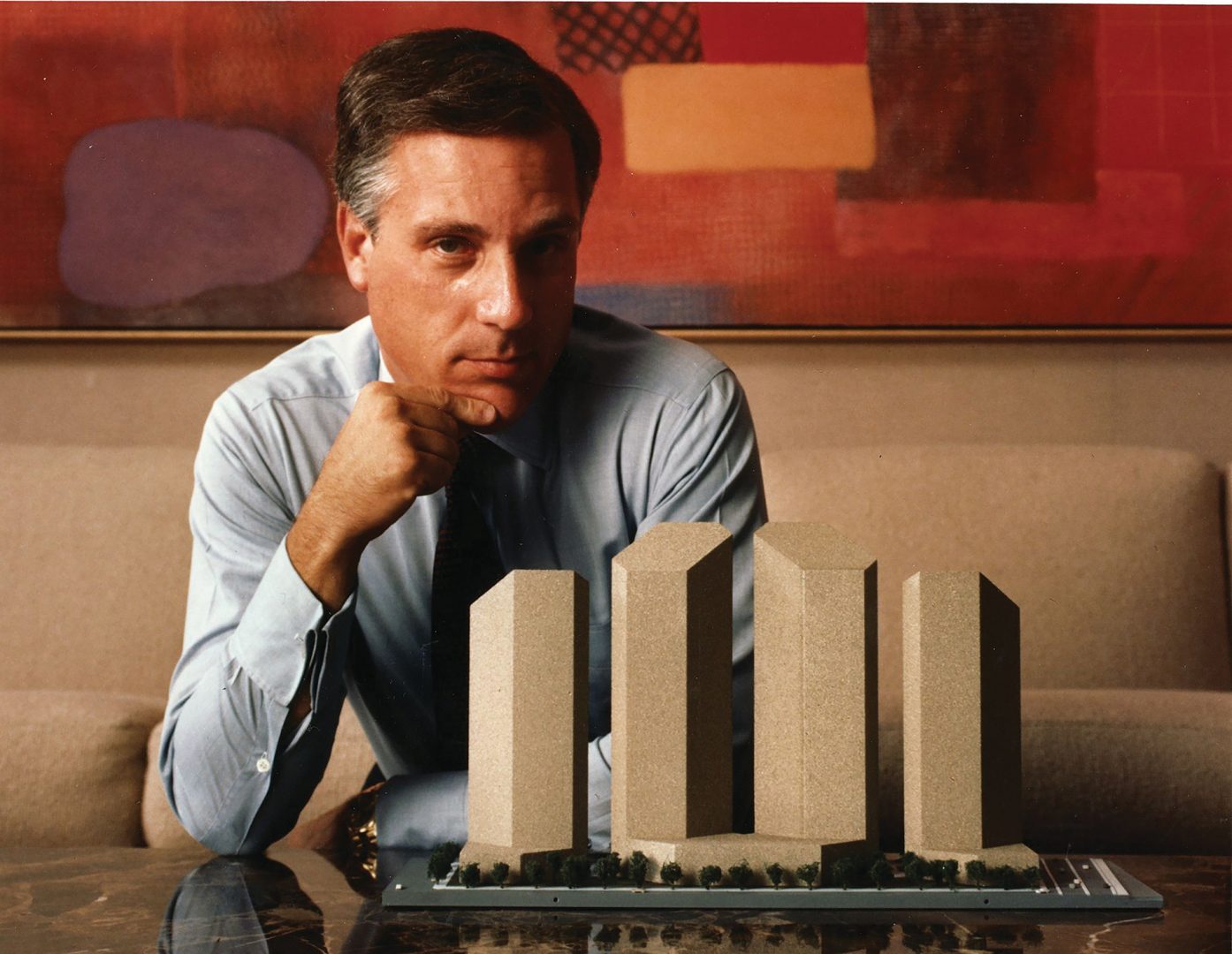
Kalikow, looking to expand into commercial properties, purchased the site in 1978 for $13 million using the profits he was earning from the rent of 1001 Fifth Avenue. He quickly got to work conceptualizing a plan for the future office building.

Although office buildings are generally associated with more risk, there is usually “more potential,” said Kalikow. “Offices are market-driven, and when you hit it right, the benefit is substantial,” he explained.

Since the 101 Park Avenue property did not appeal to other big-name development companies then, acquiring the site was easy. Starting development was another, more complicated issue.

If we make this building the best of its kind, the absolute best building in the entire area, then the rest will follow.”

Peter Kalikow

An illustration of the outside view of 101 Park Avenue from East 41st Street

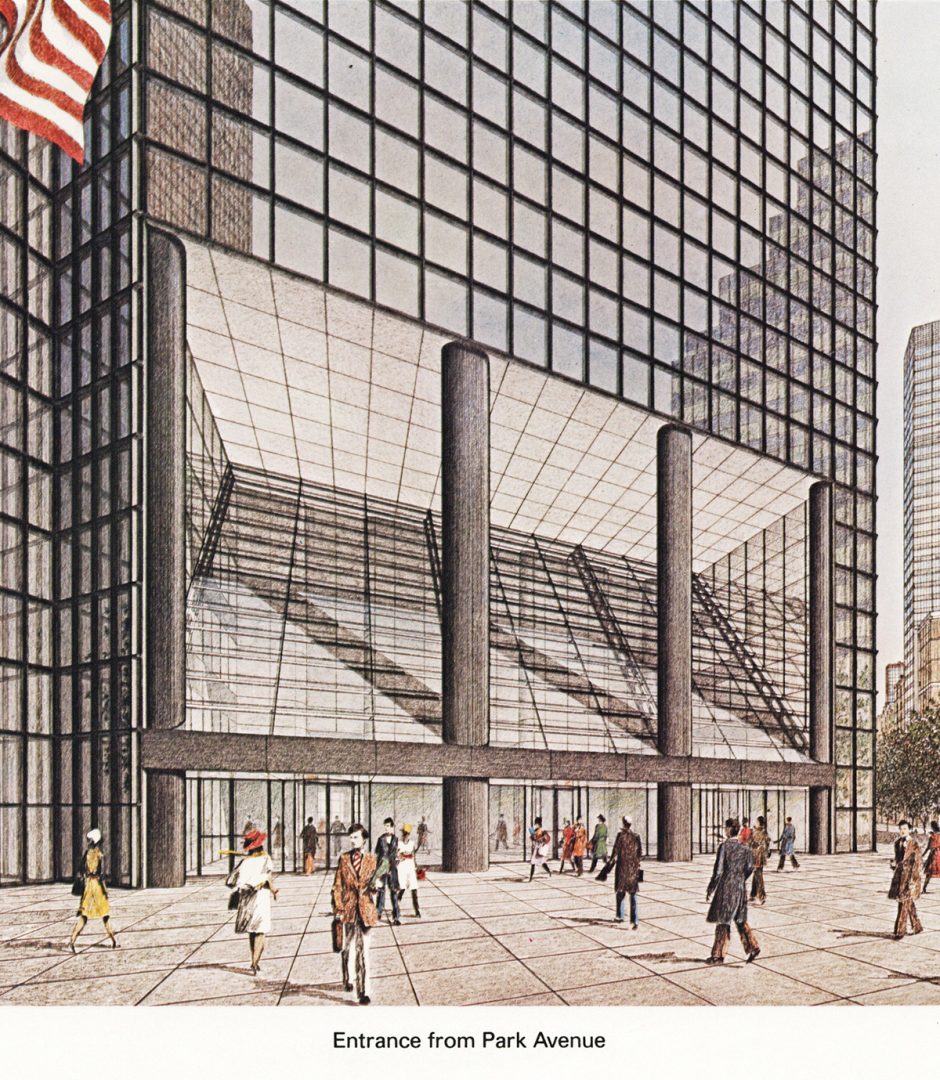
An illustration of the main entrance of 101 Park Avenue

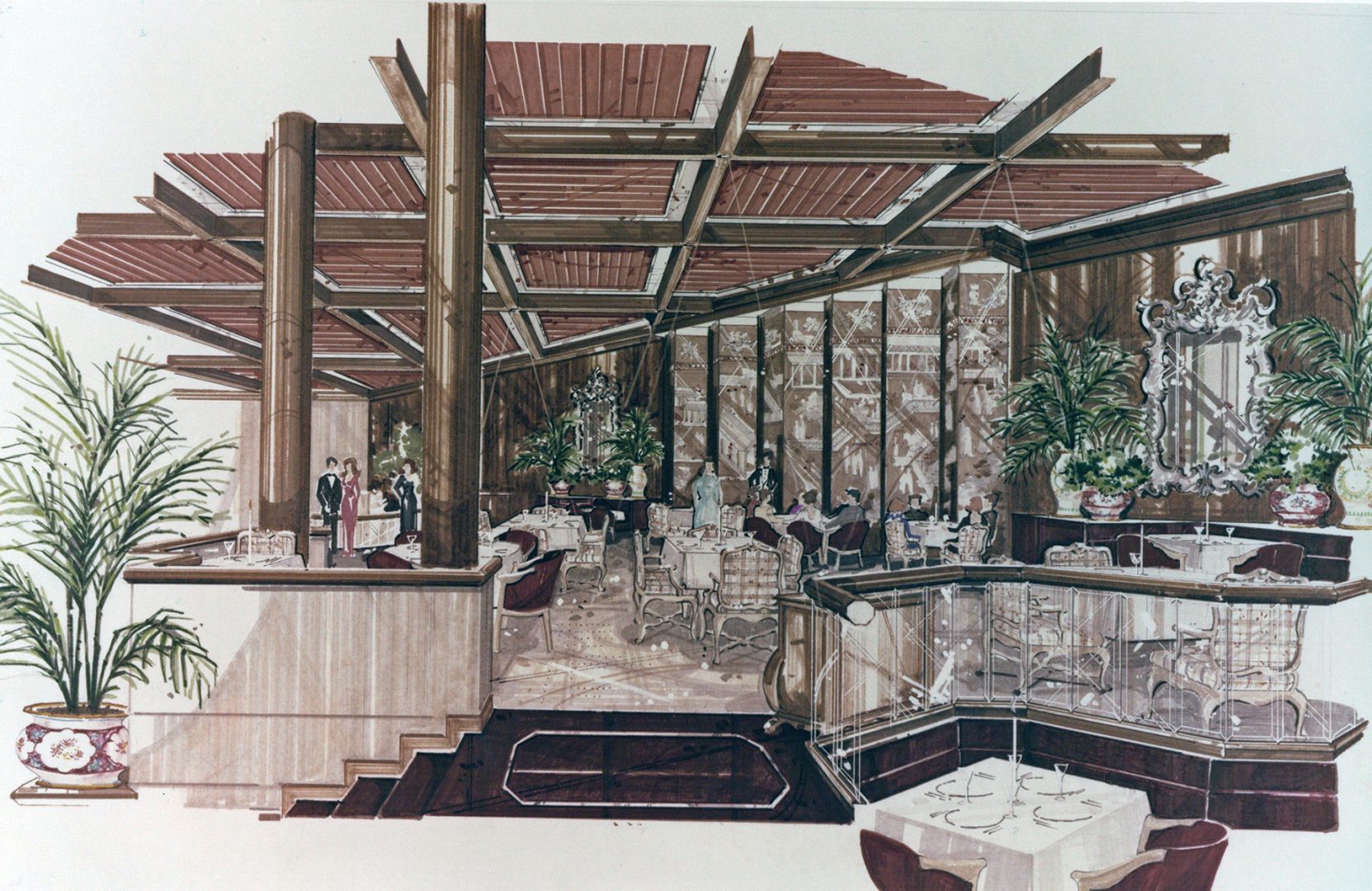
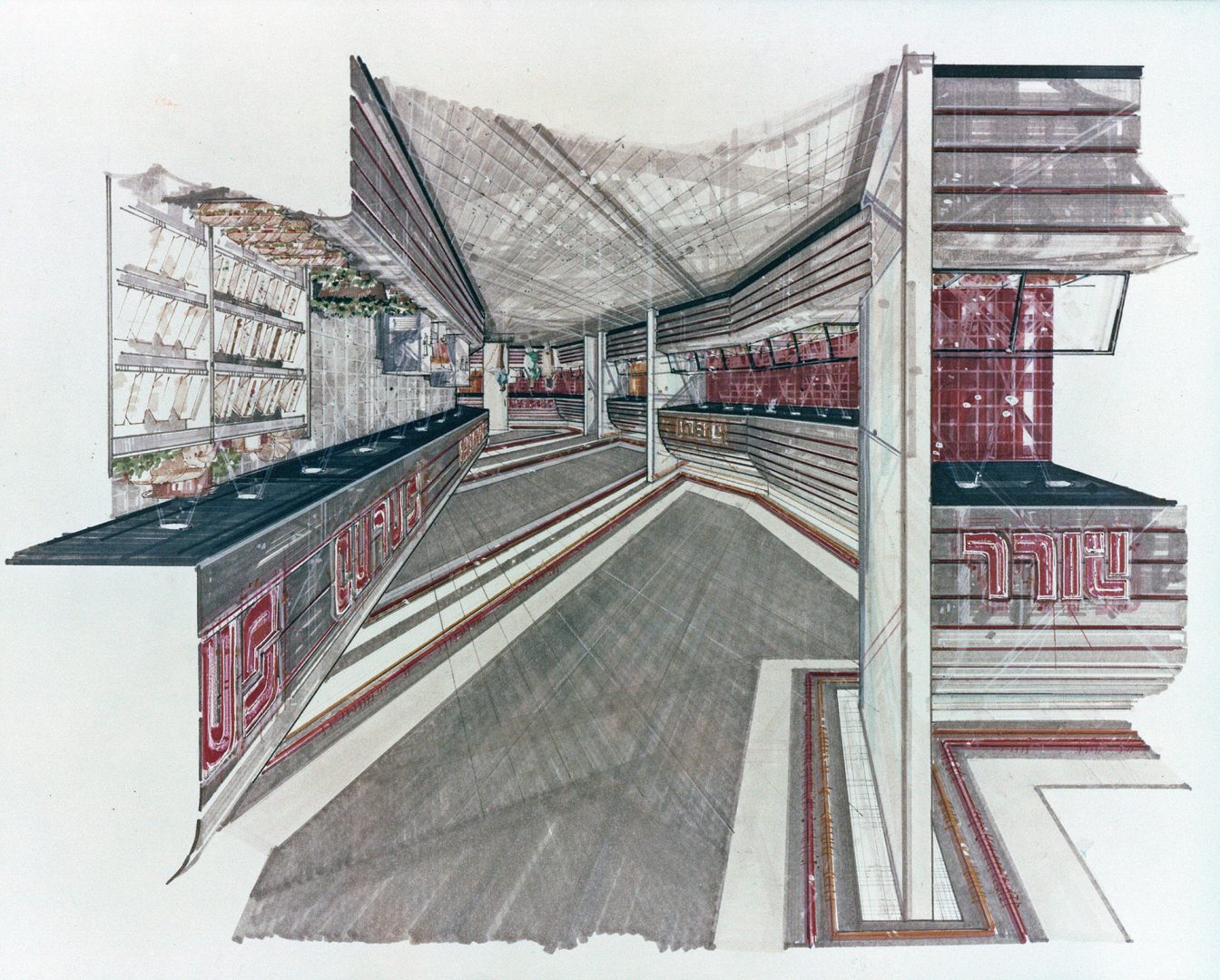
Concept art for a dining area inside the Park Avenue office building: the finished result was Club 101, an exclusive luncheon club and event space for the business community.

Cafe 101 was established to accommodate the tenants of 101 Park Avenue, who previously lacked on-site cafeterias in their office buildings. The convenient dining option inside 101 Park Avenue was one of many new and attractive features of the building.

Kalikow now had to figure out how to construct the building to combat the property’s adverse conditions, including the low rent in the surrounding area. Eventually, he had an epiphany, realizing there was only one way to make it successful.

“If we make this building the best of its kind, the absolute best building in the entire area, then the rest will follow,” said Kalikow, knowing they needed to build a one-of-a-kind building to attract tenants.

To do this, he first had to get a world-renowned architect. Due to HJ Kalikow’s lack of experience developing commercial real estate, the project struggled to appeal to prominent architects.

After going to Philip Johnson, with whom Kalikow had previously worked on 1001 Fifth Avenue, Kalikow was disappointed again. Johnson had just gotten the contract to design the iconic AT&T Building at 550 Madison Avenue (also known as the Sony Tower) and could not work with Peter.

1982

Kalikow received the Award for Excellence from the Building Owners and Managers Association of Greater New York for the development of 101 Park Avenue. He had previously been awarded the Young Master Builder Award (1980) and the Golden Circle Award (1981) for his excellence in luxury real estate development.

This was my father’s way of passing me the torch and showing me he believed in me, even if he didn’t always agree with me.”

Peter Kalikow

However, Eli Attia, an architect at Philip Johnson’s firm, asked Kalikow to let him try to design the new building at 101 Park Avenue. Attia had also worked on the 1001 Fifth Avenue building, contributing significantly to the design. Given that he knew the skillful quality of Attia’s work firsthand, a fraught Kalikow finally gave Attia the contract.

One step closer to realizing his vision, Kalikow now had to focus on securing a mortgage to finance the construction of the building. Just as things were looking up for Peter, the United States entered a recession in 1980. The banks went into crisis as the number of failed banks surged, and a credit squeeze took hold, significantly reducing the availability of loans.

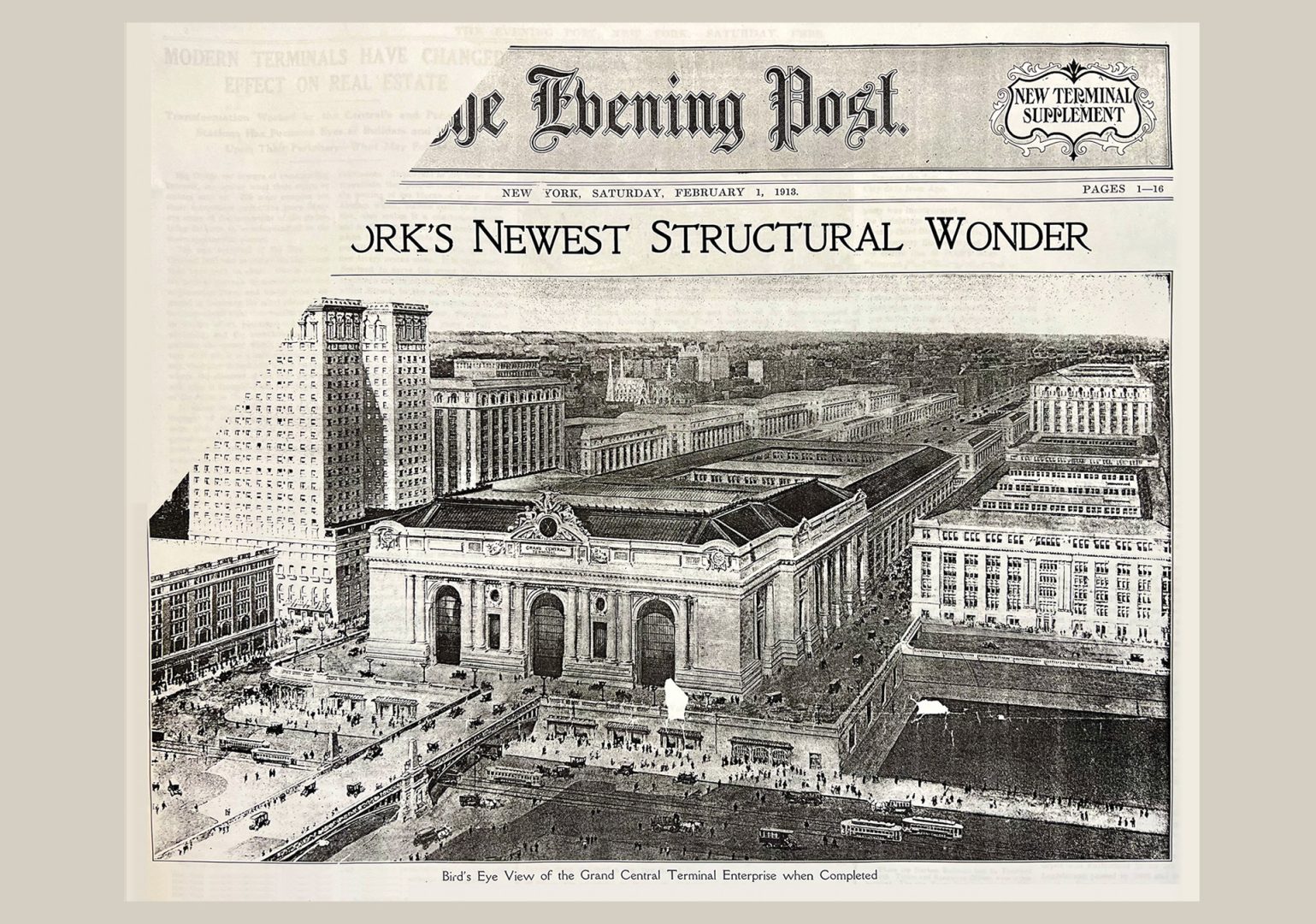
The front page of The Evening Post, the paper that Peter Kalikow would one day own, documents the opening of the newly constructed Grand Central Terminal (Feb. 1, 1913).

Today, Grand Central receives 750,000 visitors every day and is the second most-visited destination in New York City, behind Times Square.

In 1947, 65 million passengers traveled through Grand Central Terminal. By 2011, its ridership surpassed 82 million, with Metro-North becoming the nation’s busiest commuter rail line. In 2019, the rail line set a new ridership record carrying 86.6 million passengers that year.

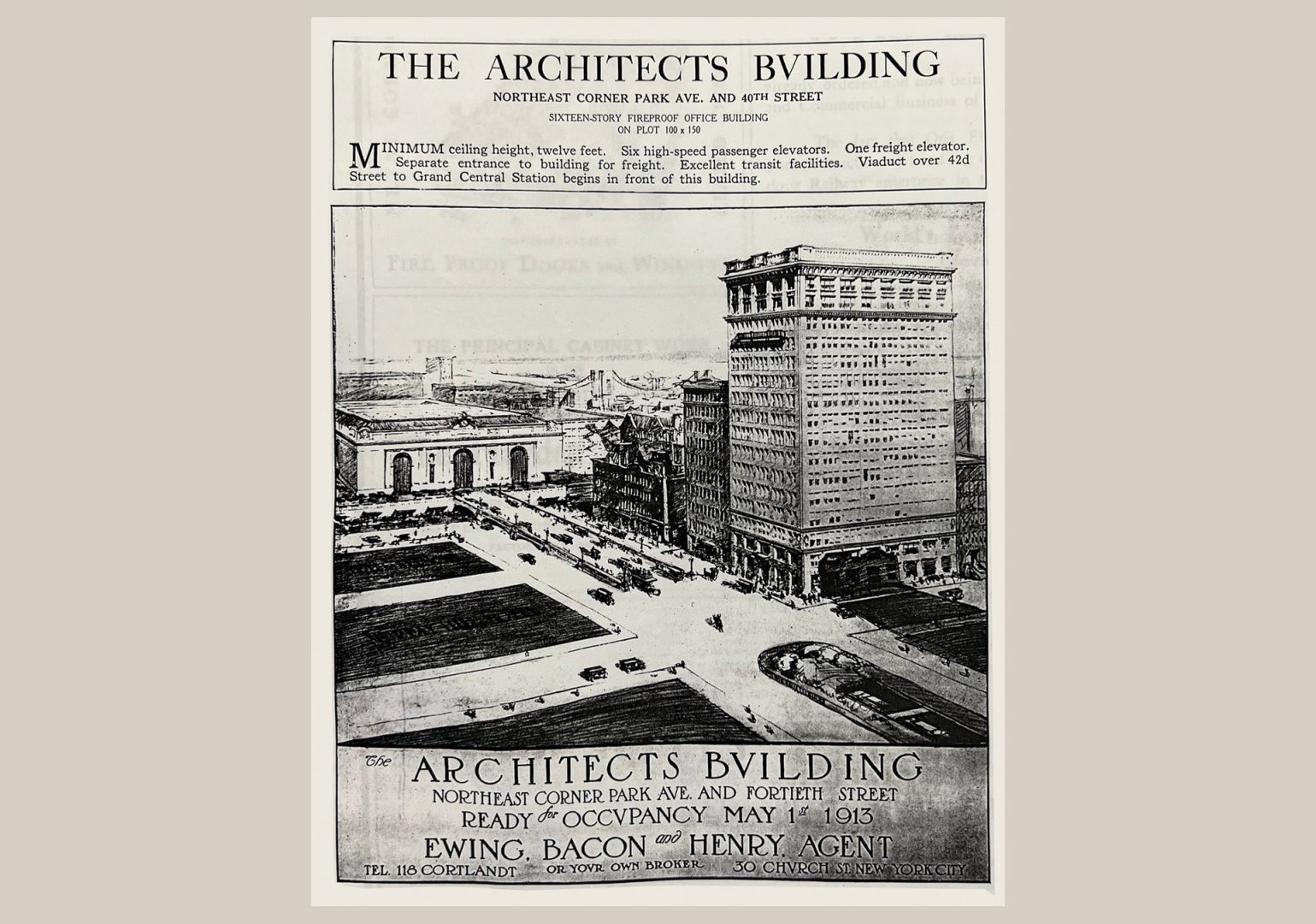
The original building at the 101 Park site is pictured next to Grand Central Terminal back in 1913.

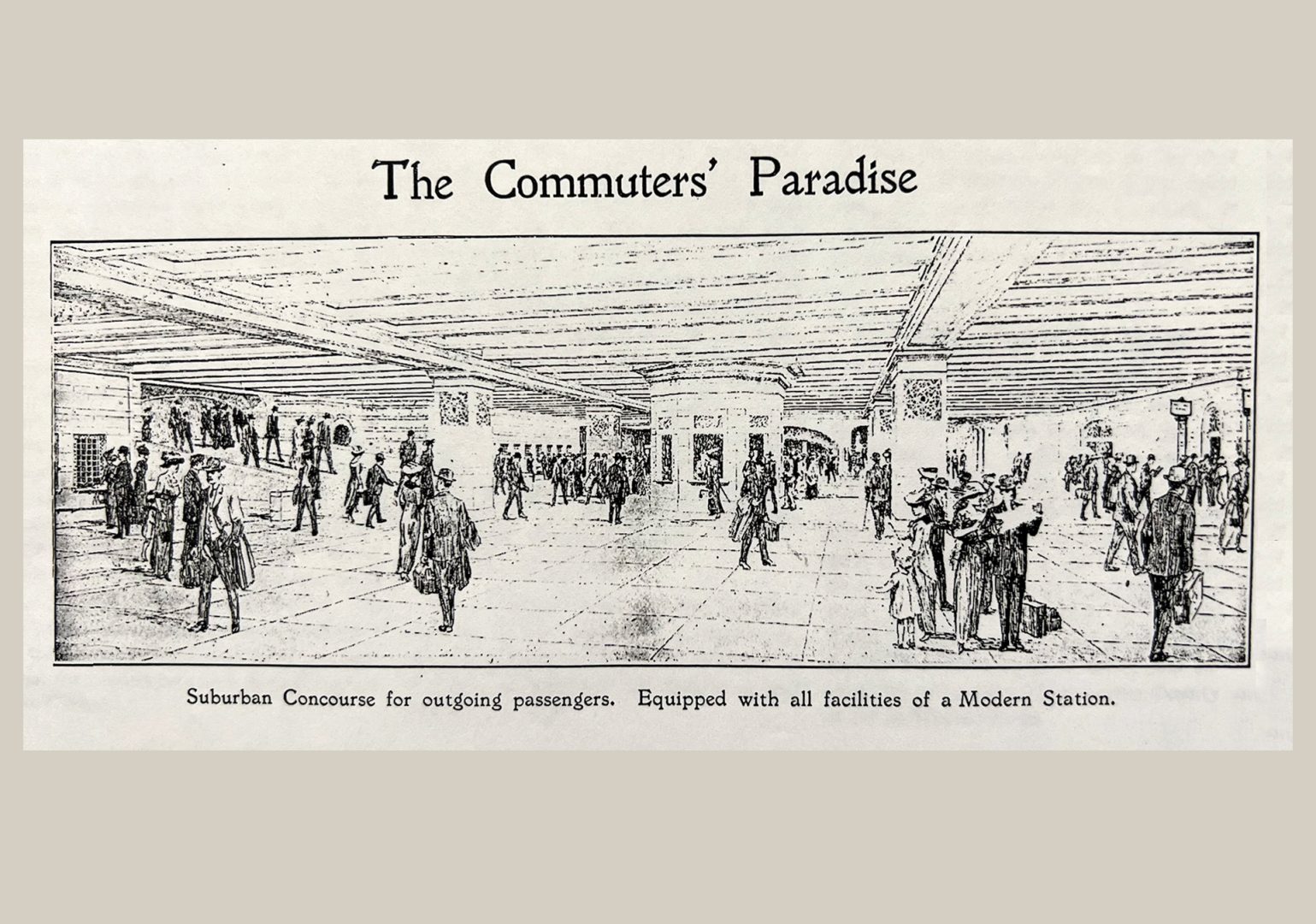
The construction of Grand Central Terminal significantly accelerated growth around the neighborhood during the 1920s and 1930s with the construction of famous skyscrapers like Hotel Commodore (Hyatt Grand Central) (1919); the Graybar Building (420 Lexington Ave) (1927); the Chanin Building (1929); the Chrysler Building (1930); and the Lincoln Building (One Grand Central Place) (1930).

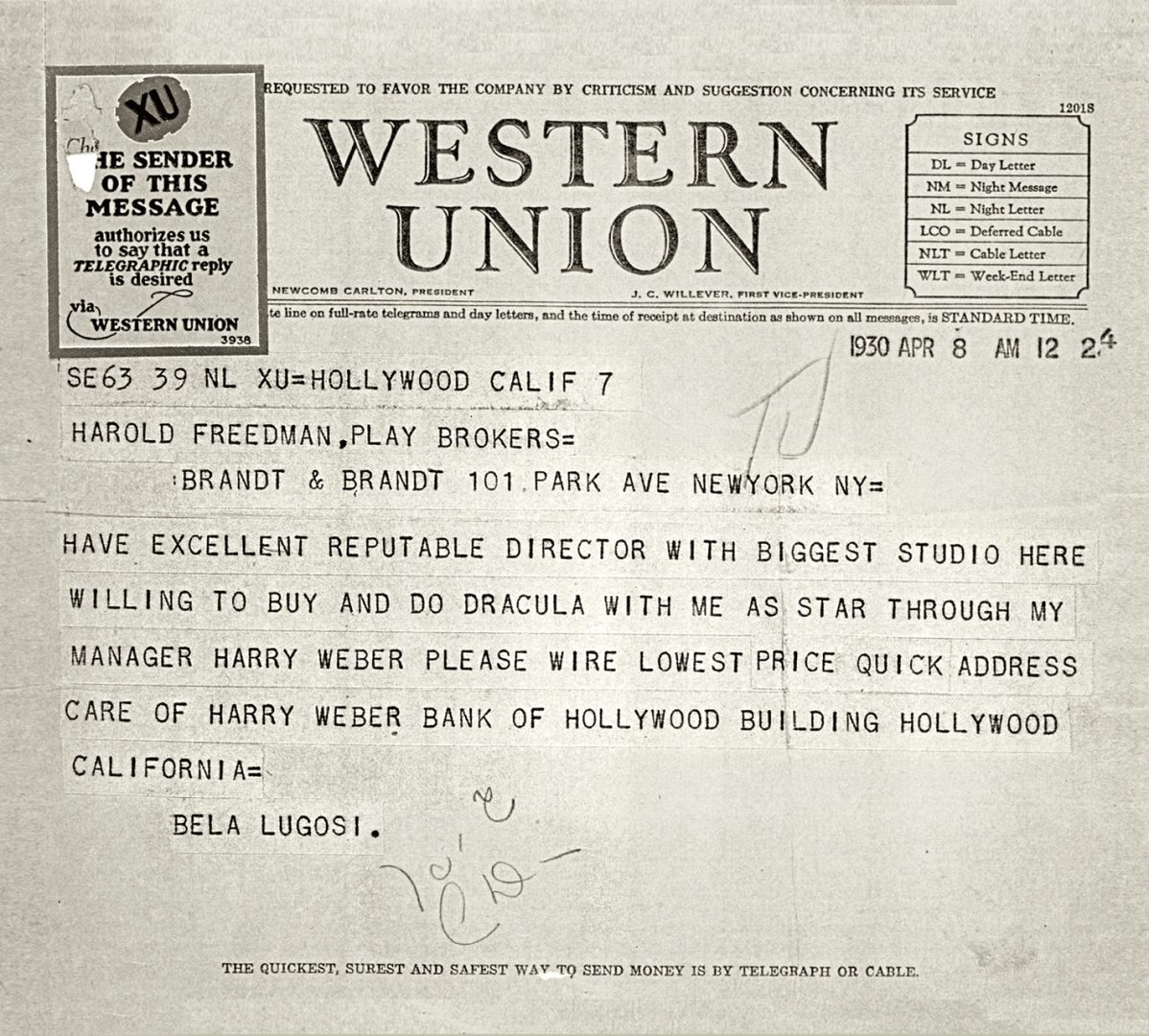
Actor Bela Lugosi, best known for his portrayal of Count Dracula in the classic 1931 horror film Dracula, sent a telegram in April 1930 to Harold Freedman, head of the theater department at Brandt & Brandt Literary Agents, located in the old Architect's Building at 101 Park Avenue.

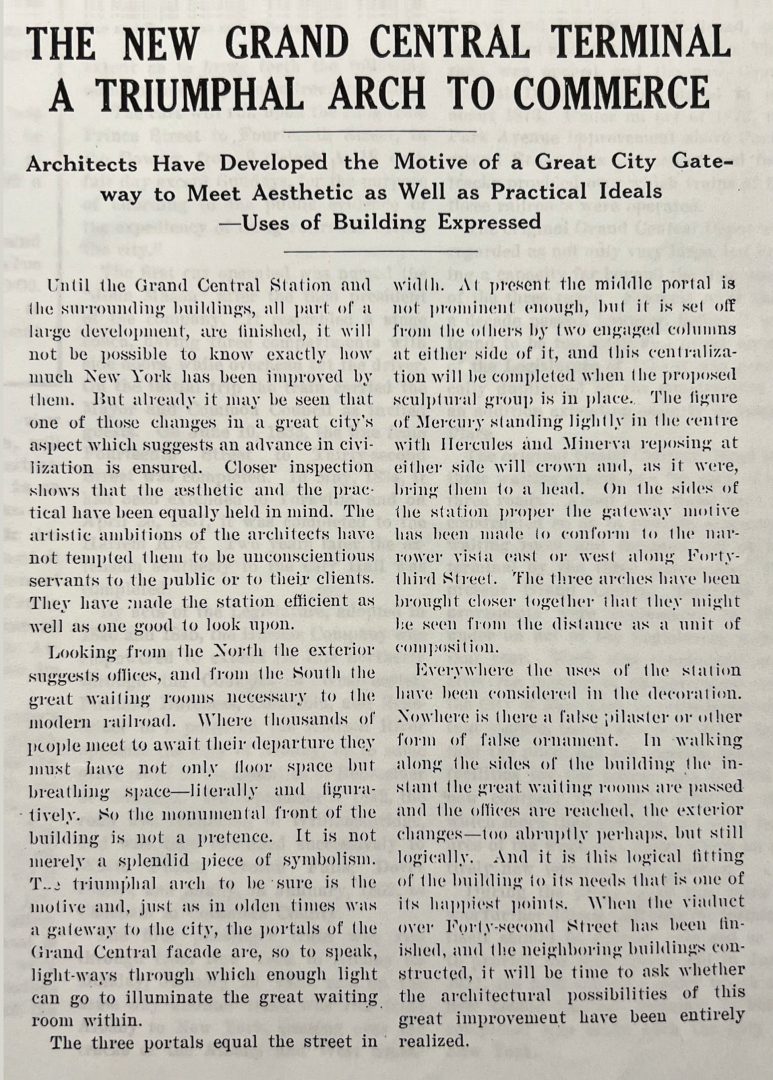
Construction on Grand Central Terminal started in 1903 and took ten years to complete. It officially opened on February 2, 1913, at 12:01 a.m. to more than 150,000 visitors.

After the demolition of the old site, a major development firm, Olympia & York, offered Kalikow $60 million for the property.

While contemplating the offer, the Kalikow’s banker, Conrad Stevenson, who would later play a significant role in facilitating the mortgage agreement, told Harold, “I’m a banker, but in my heart, I’m a builder, and this is a once-in-a-lifetime opportunity.”

These words assuaged Harold’s fears, prompting him to decline the offer.

The significant architectural accomplishment of 101 Park Avenue is, perhaps, best summarized in this excerpt from a letter, sent to an editor of The New York Times in April of 1982 in response to an earlier article mentioning Eli Attia’s architectural work.

On my daily morning walk up Park Avenue, I had the pleasure of seeing this building evolve, with never a moment of disappointment.

I think the building is a triumph, a masterpiece. Attia and Kalikow have given to the Grand Central/Murray Hill area not simply a building, but an enduring beautiful articulation of the evolution of the life of this city and its people.”

M.C. Parsons, Manhattan

Although the future remained uncertain, Peter Kalikow knew he had to take the risk and had his father’s full support behind him.

Instead of abandoning the project and taking a profit, Kalikow was determined to find a way to get the loans and defy the odds. With the help of Daniel Cremins, Kalikow secured financing from Chase Manhattan Bank and Manufacturers Hanover Trust Company.

Chase Bank initially told Kalikow they would only grant him the loan only if Manufacturers Hanover was in too. Taking a bit of a gamble, Kalikow then went and told Manufacturers Hanover that Chase had already agreed, prompting Hanover to also agree to the loan. He returned to Chase Bank with the news, and Chase finalized the contracts.

With the architect and financing in place, Kalikow could move forward with the development.

Eli Attia was joined on the project by two architects from his firm, Brian Principe and William Leggio. Leggio took charge of project management, while Principe oversaw the intricate design aspects. Their efforts on 101 Park Avenue left a strong impression on Peter Kalikow, who has since maintained a lasting professional and personal relationship with both architects as they pursued individual success. Kalikow has continued collaborating with Principe and Leggio on numerous projects, and remains a business partner and close friend.

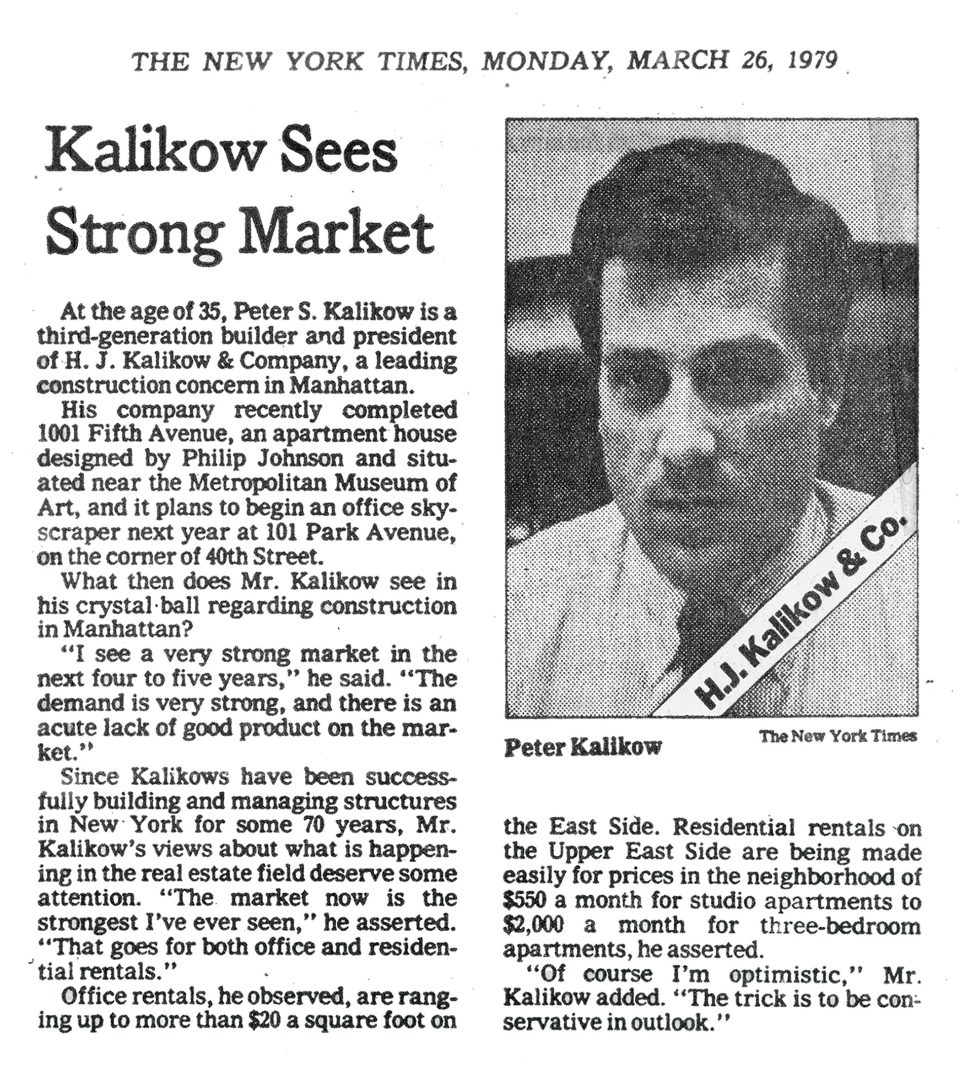
1979

Despite the fiscal crisis of New York City in the 1970s, Peter Kalikow predicted a strong market to follow in the 1980s (The New York Times: March 26, 1979).

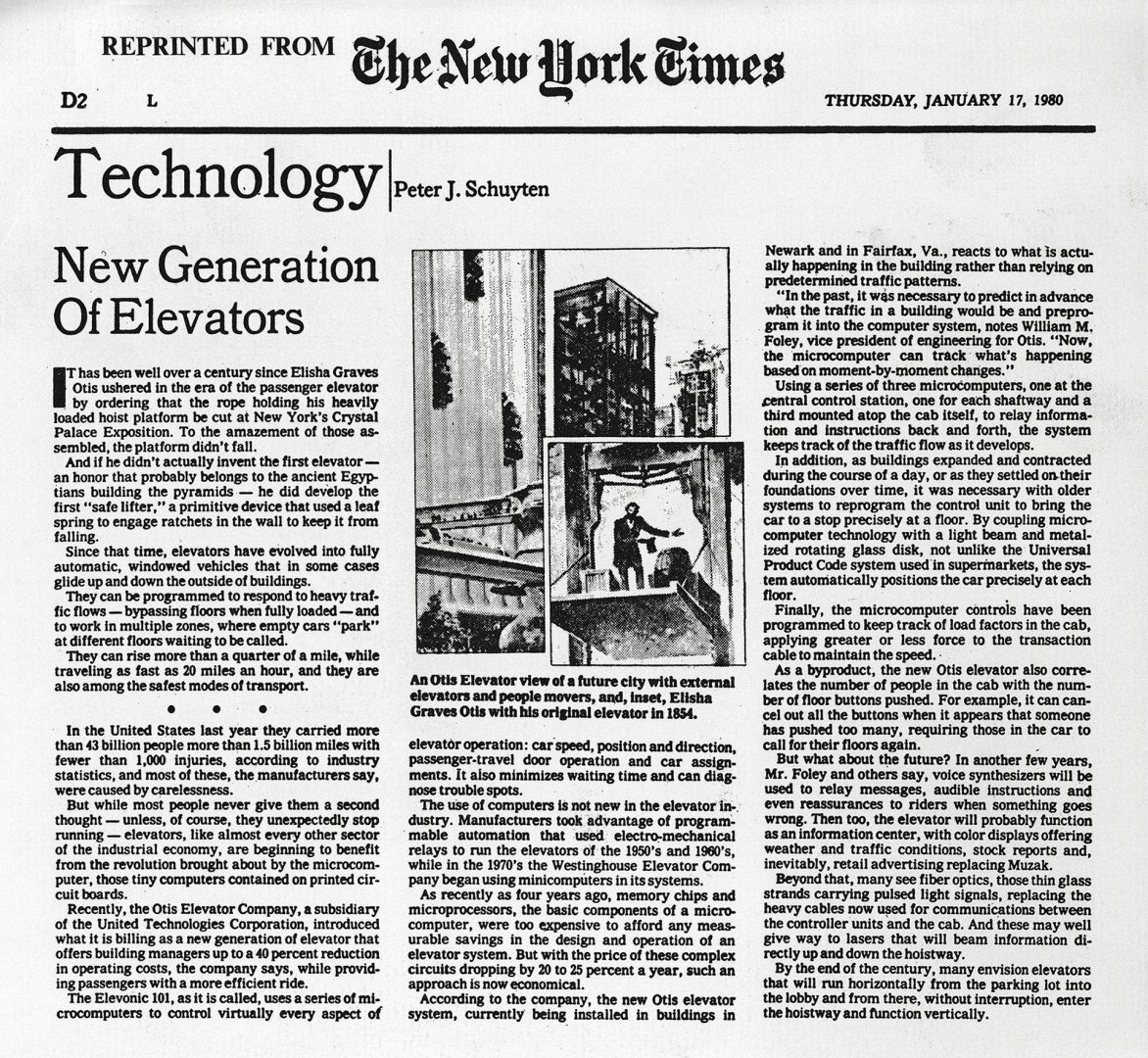
1980

A New York Times article details the technology of the new Otis Elevonic 101 elevators that were originally installed in 101 Park Avenue.

This was my father’s way of passing me the torch and showing me he believed in me, even if he didn’t always agree with me.”

Peter Kalikow

1982

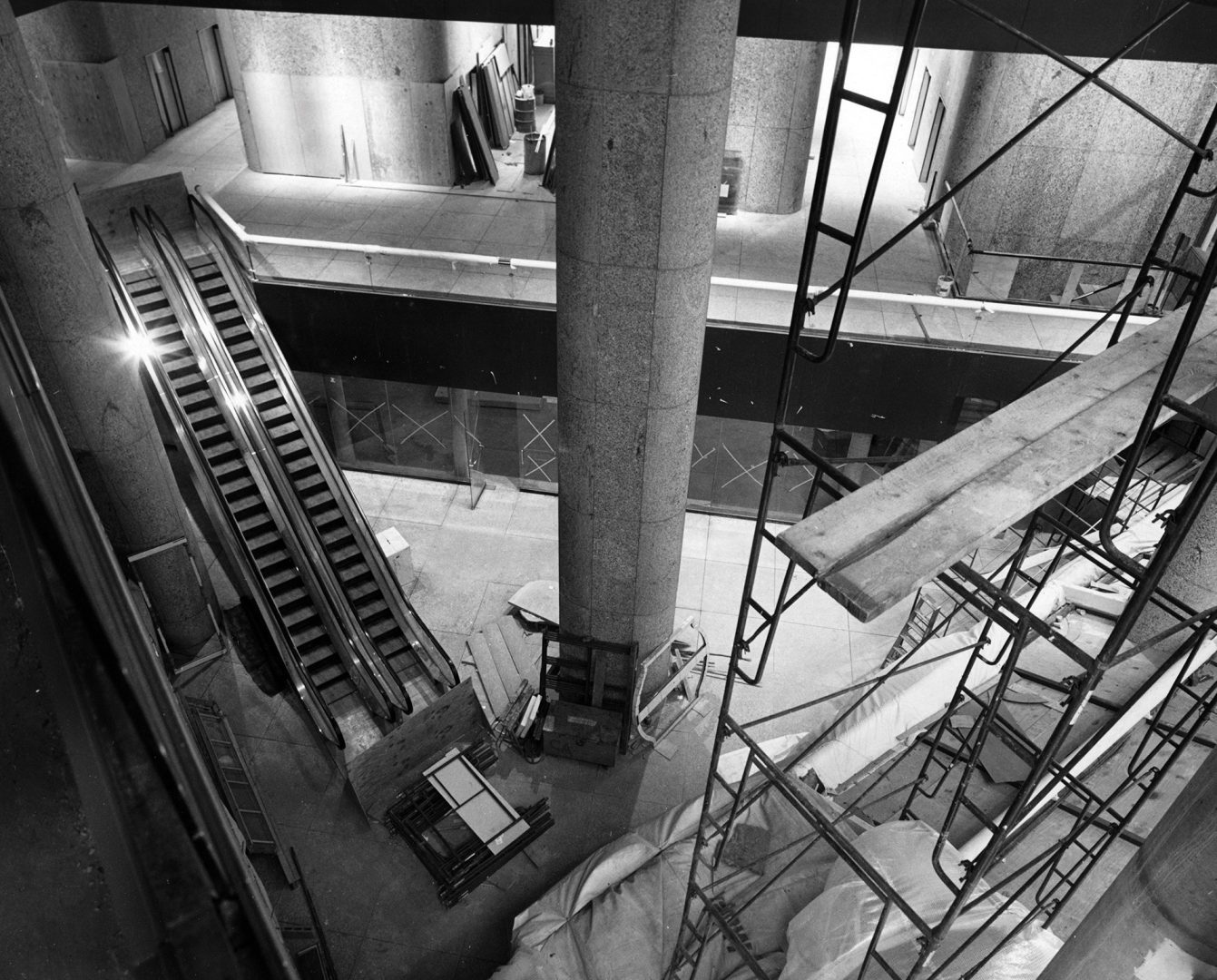
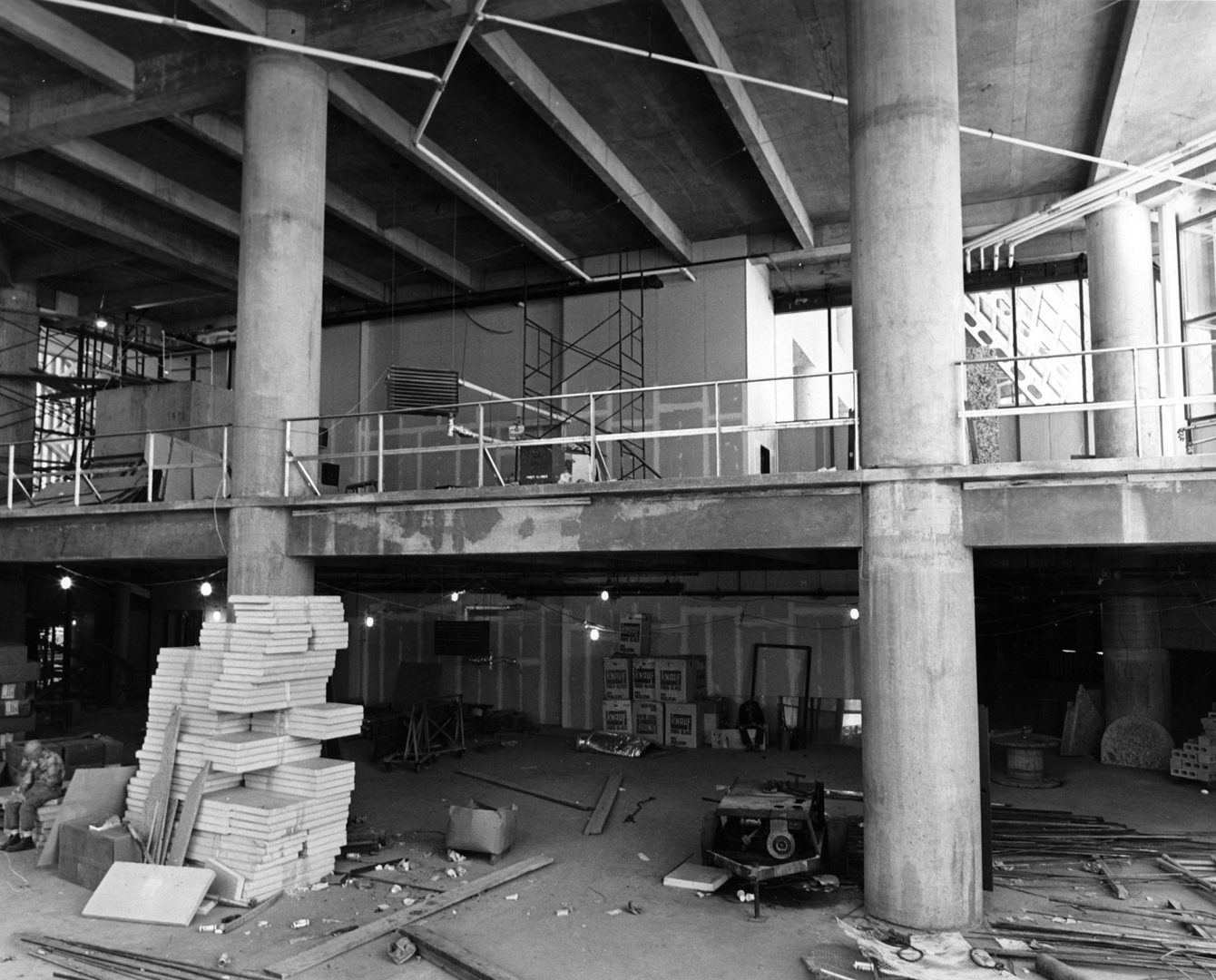
The last stages of construction at 101 Park Avenue

1982

The last stages of construction at 101 Park Avenue

1982

The last stages of construction at 101 Park Avenue

1982

The last stages of construction at 101 Park Avenue

Another noted feature of 101 Park Avenue was its advanced elevator system, the Otis Elevonic 101. The Elevonic 101 was the first elevator system that was fully microprocessor-controlled with silicon-controlled rectifier motor drives. This efficient system, introduced by Otis in 1977, sent empty cars to requested floors, and occupied cars bypassed those floors. 101 Park Avenue has continued to update its elevators since then; as of 2016, all elevator mechanical systems have been fully modernized, with an Otis elevator technician still on-site during business hours.
In 1982, Kalikow received the Award for Excellence from the Building Owners and Managers Association of Greater New York for developing 101 Park Avenue. He had previously been awarded the Young Master Builder Award (1980) and the Golden Circle Award (1981) for his excellence in luxury real estate development. HJ Kalikow still owns and manages the flagship building where the company is headquartered.

The Evolution of 101 Park Avenue

Demolition took place in 1979 over the course of four months. Construction officially started on April 1, 1980. By November 1980, HJ Kalikow had leased all 1,200,000 square feet of office space. Occupancy didn’t begin until April 1, 1982, but tenants were immediately sold by the building’s promising location, quality, and distinctive design.

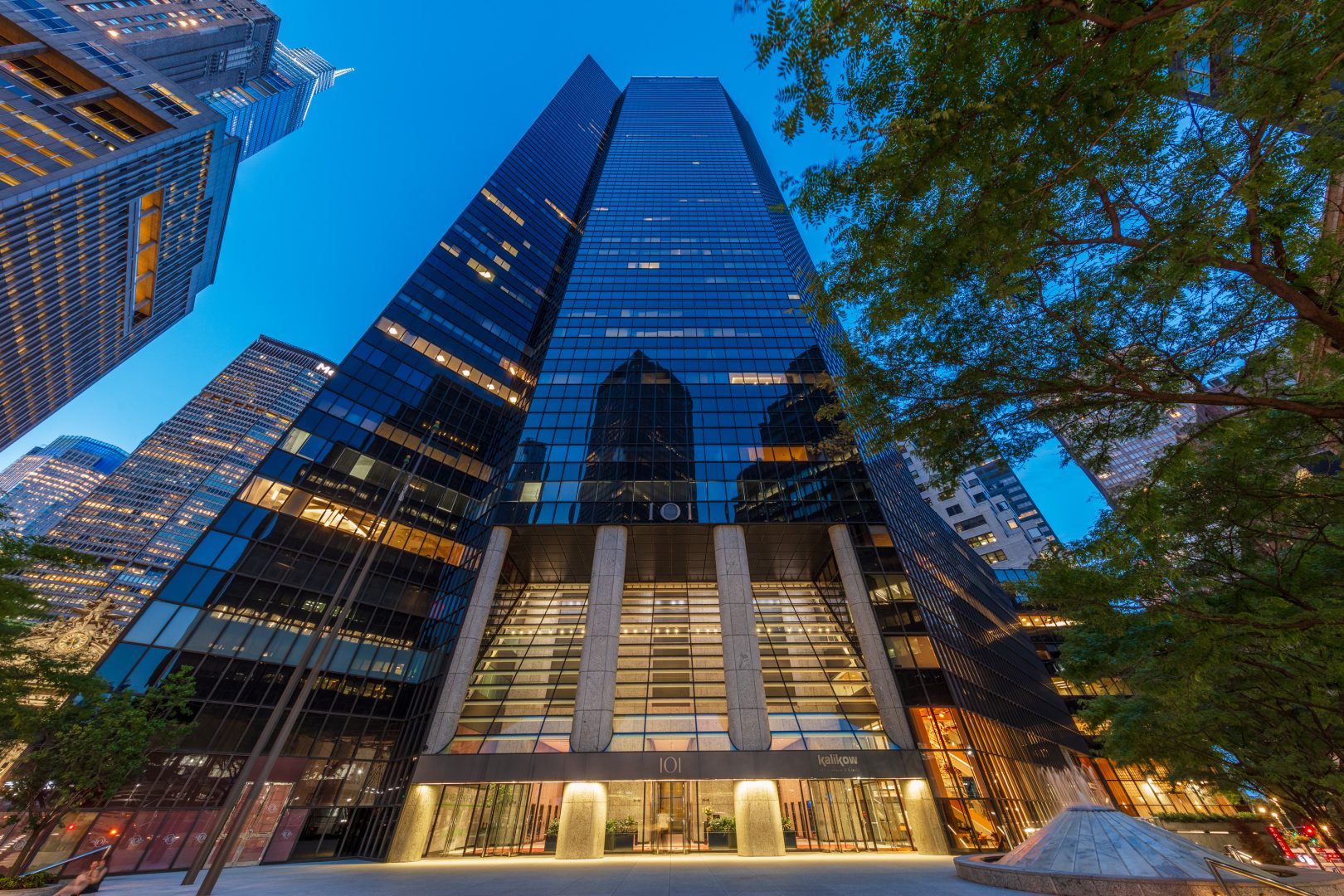
The skyscraper stood out for its innovative shape (two chiseled corners of the would-be rectangular tower floors creating eight corner offices per floor rather than four) and reflective glass. New Yorkers referred to Peter Kalikow and architect Eli Attia’s design as an architectural masterpiece.

NOTABLE TENANTS OF 101 PARK AVENUE

  • ABN AMRO
  • Advance Financial
  • Aetna
  • AKC Museum of the Dog
  • Alliant Insurance
  • American Kennel Club
  • Bombardier
  • Booz Allen Hamilton
  • Chase Bank
  • CI Financial
  • Convene
  • Curtis, Mallet-Prevost, Colt & Mosle LLP
  • Customers Bank
  • Ernst & Young
  • Federal Home Loan Bank of New York
  • Federated Global Investment Management Corp.
  • Five Iron Golf
  • Foote, Cone & Belding
  • Fox Rothschild LLP
  • Hitachi Vantara
  • HSBC
  • Incline Equity Partners
  • Kelley Drye & Warren LLP
  • L'Oréal
  • Morgan Lewis & Bockius LLP
  • Morgan Stanley
  • Nespresso
  • Nippon Life Global Investors Americas
  • NTT
  • Oracle
  • PwC LLP
  • Royal Bank of Scotland
  • Sumitomo Mitsui Banking Corporation
  • Sun Microsystems
  • Tata Consultancy Services
  • Texaco
  • Tiger Management
  • UBS
  • Wells Fargo
  • Wendel

The evolution of 101 Park Avenue

Demolition took place in 1979 over the course of four months. Construction officially started on April 1, 1980. By November 1980, HJ Kalikow had leased almost all 1,200,000 square feet of office space. Occupancy didn’t begin until April 1, 1982, but tenants were immediately sold by the building’s promising location, quality, and distinctive design.

The skyscraper stood out for its innovative shape (two chiseled corners of the would-be rectangular tower floors creating eight corner offices per floor rather than four) and reflective glass. New Yorkers referred to Peter Kalikow and architect Eli Attia’s design as an architectural masterpiece.

Looking back, Kalikow proudly recalls the many challenges and doubts he and the company had to overcome to build 101 Park Avenue. On top of his own unrelenting belief in the vision that was 101 Park Avenue, it was the unconditional support from his parents, along with the help of everyone else involved in the project, that allowed Kalikow to make his dream building a reality: a building that more than four decades later remains an iconic hallmark of New York City development and culture.

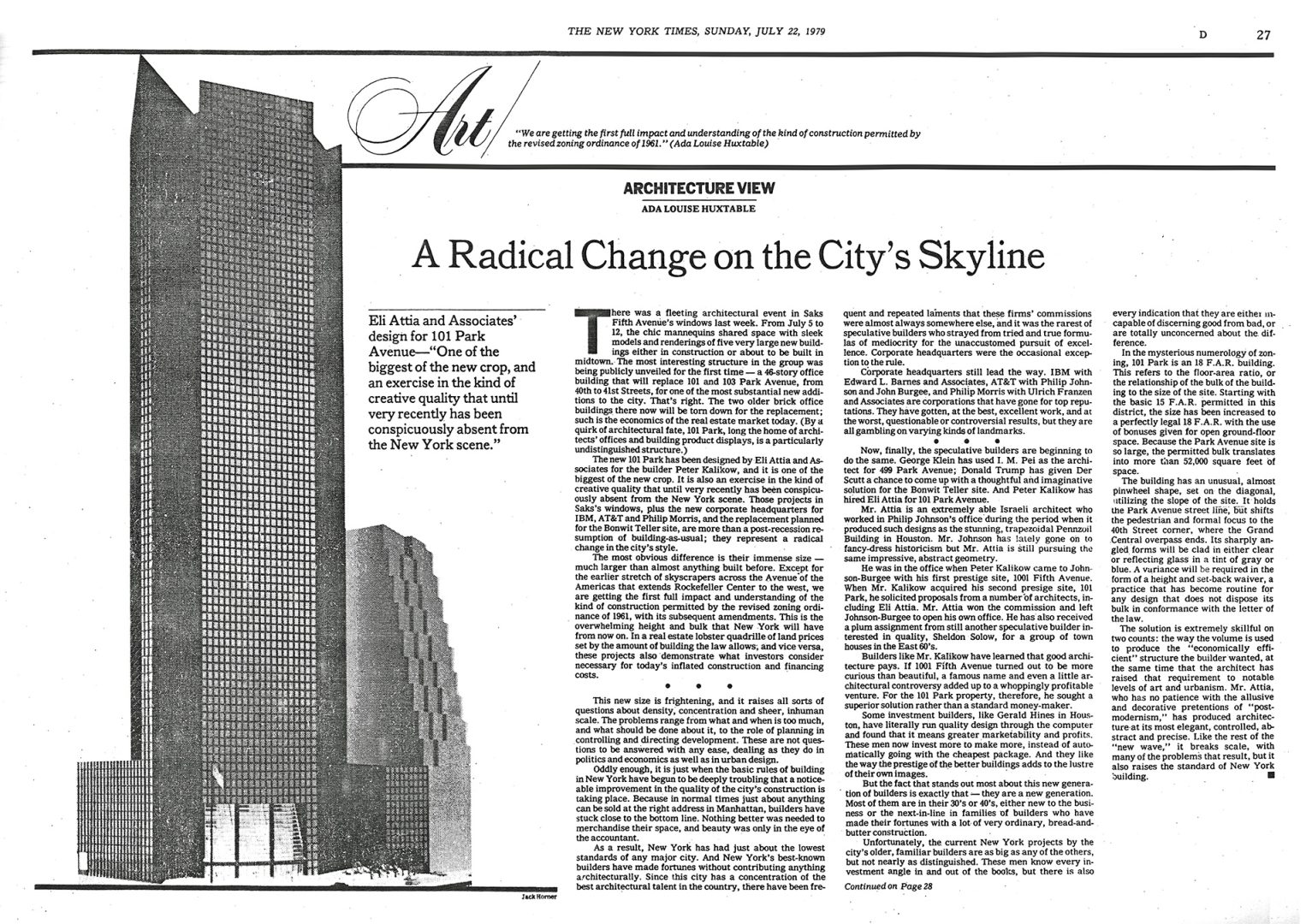
An article written by Ada Louise Huxtable about 101 Park Avenue (The New York Times: 1979)

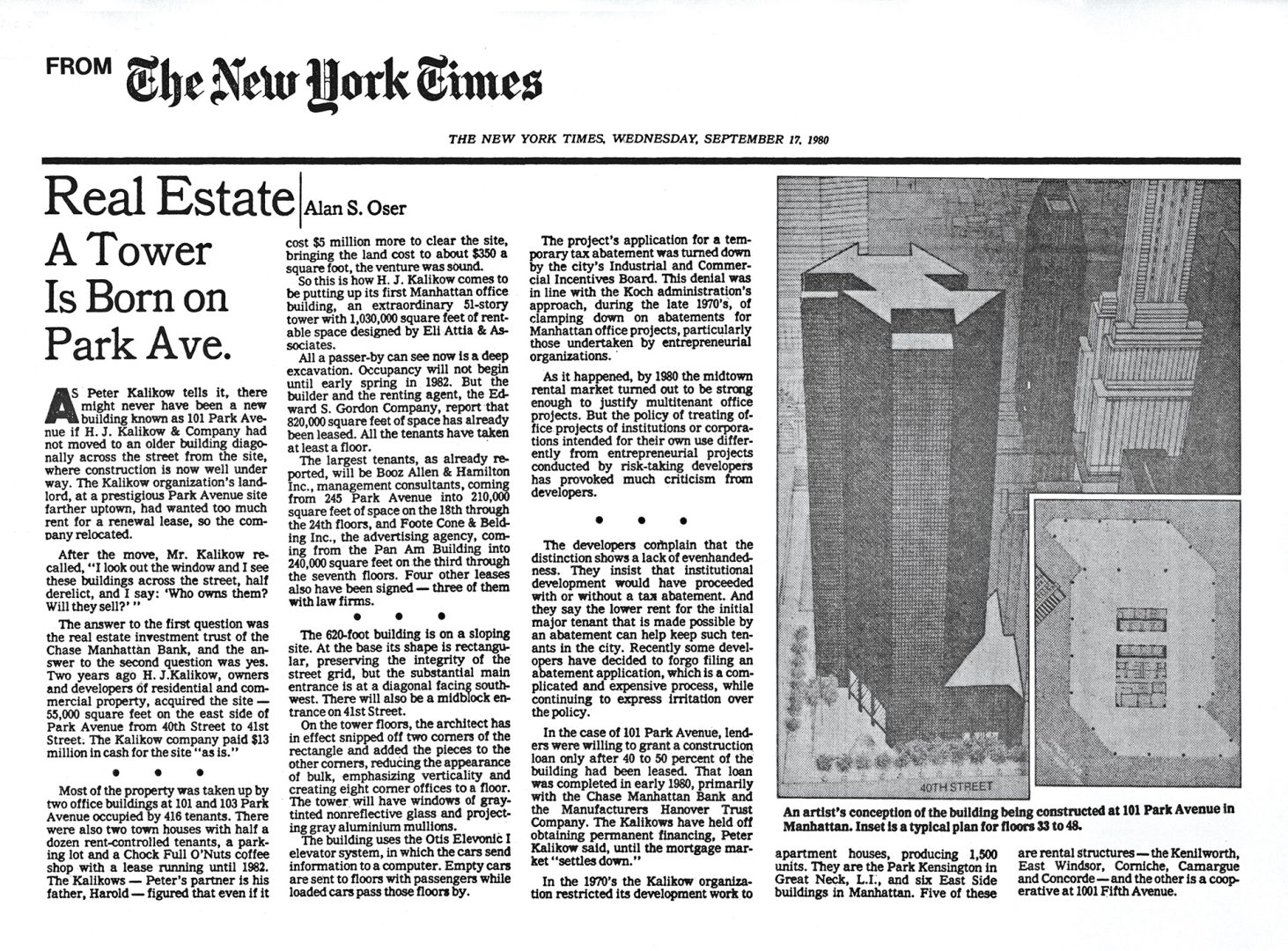
A 1980 Article in The New York Times about 101 Park Avenue

Did You Know?

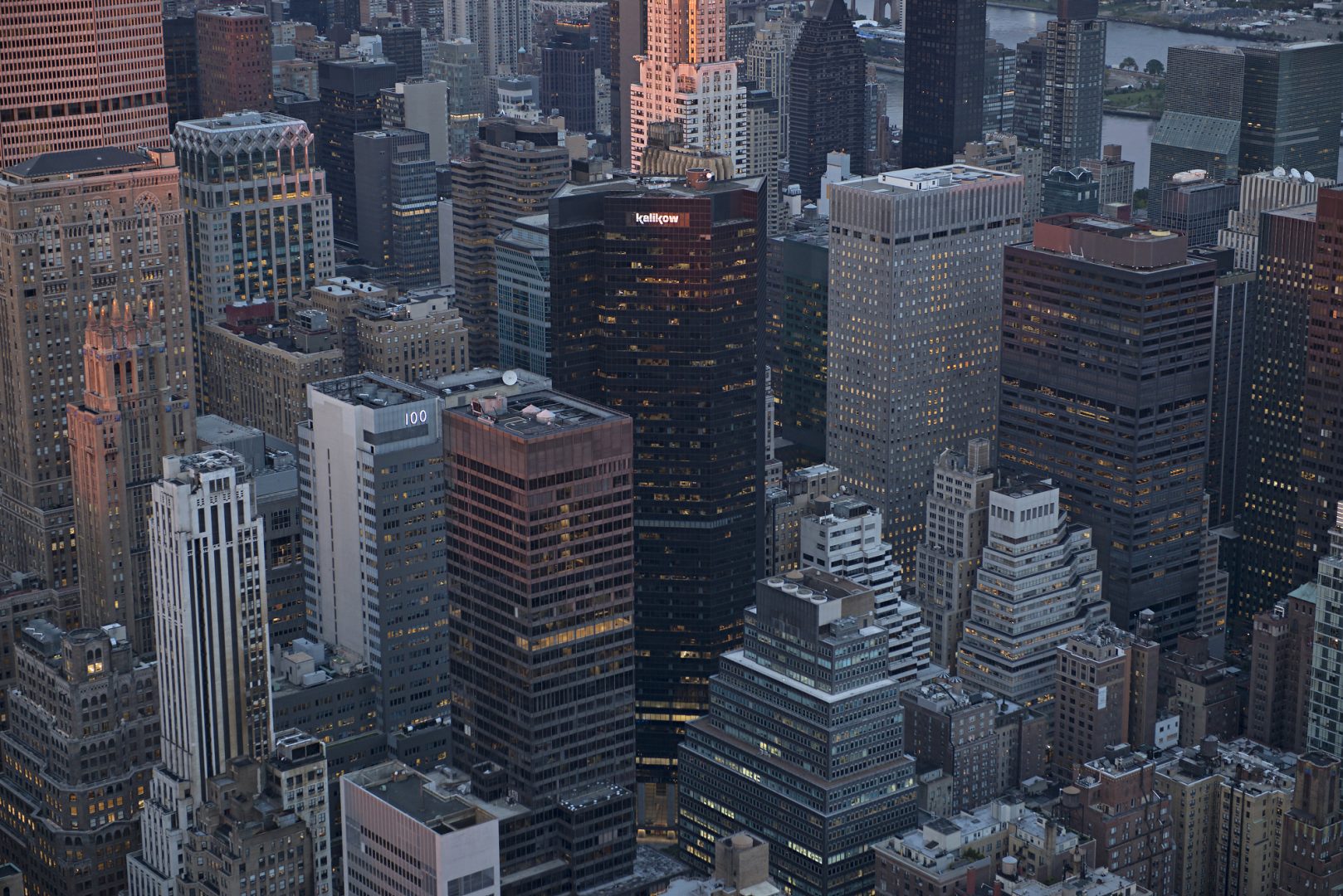
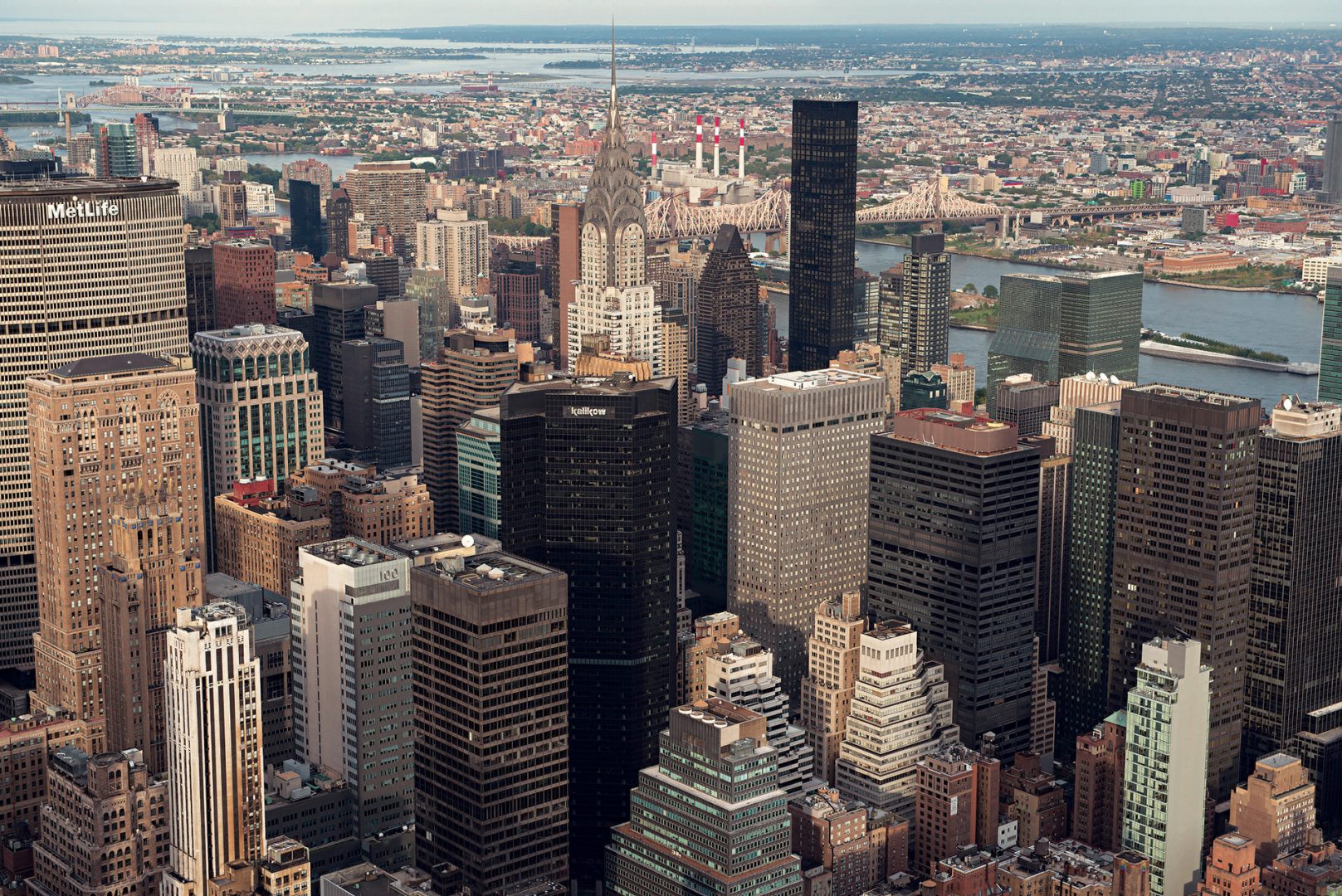
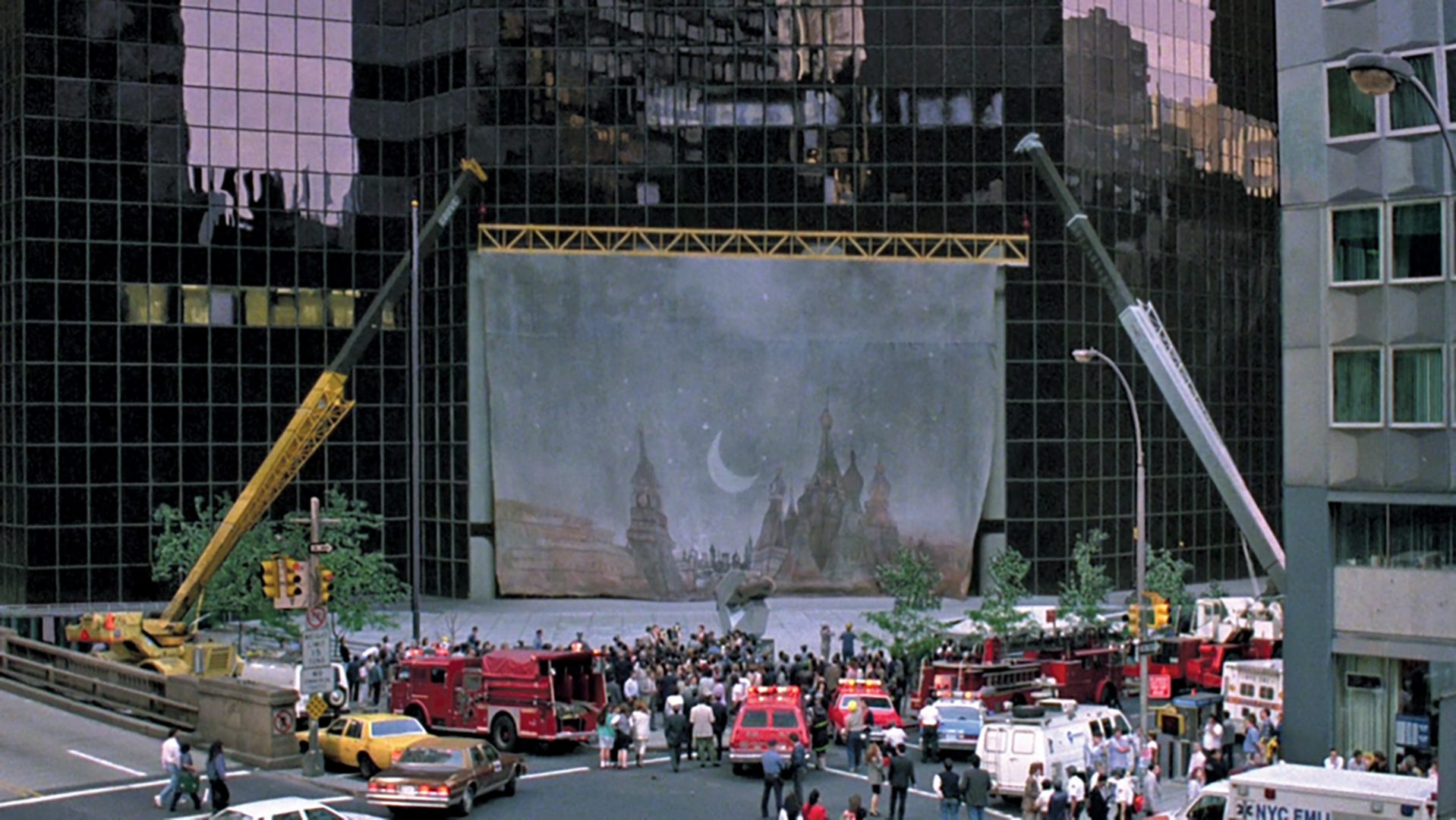
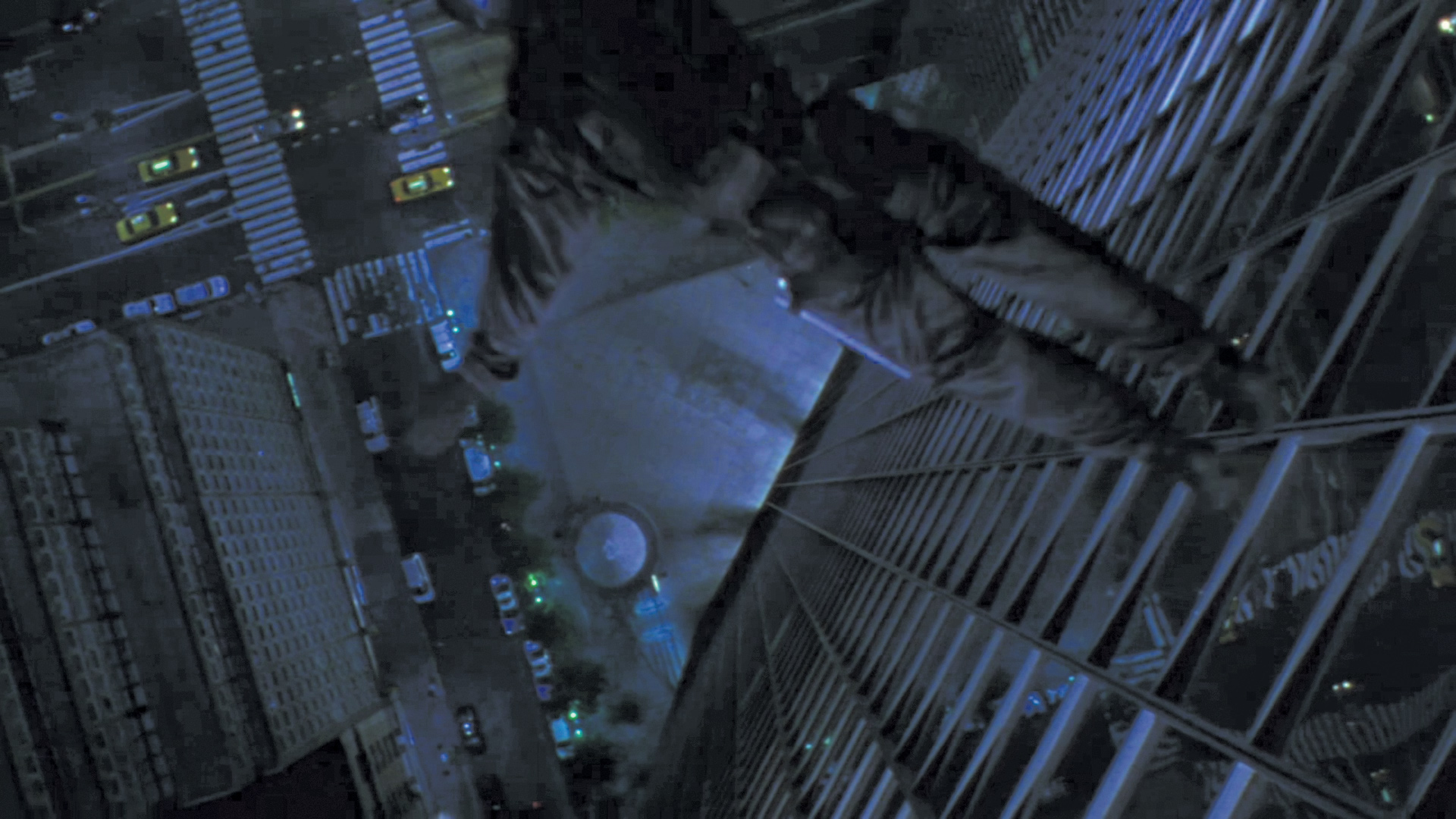
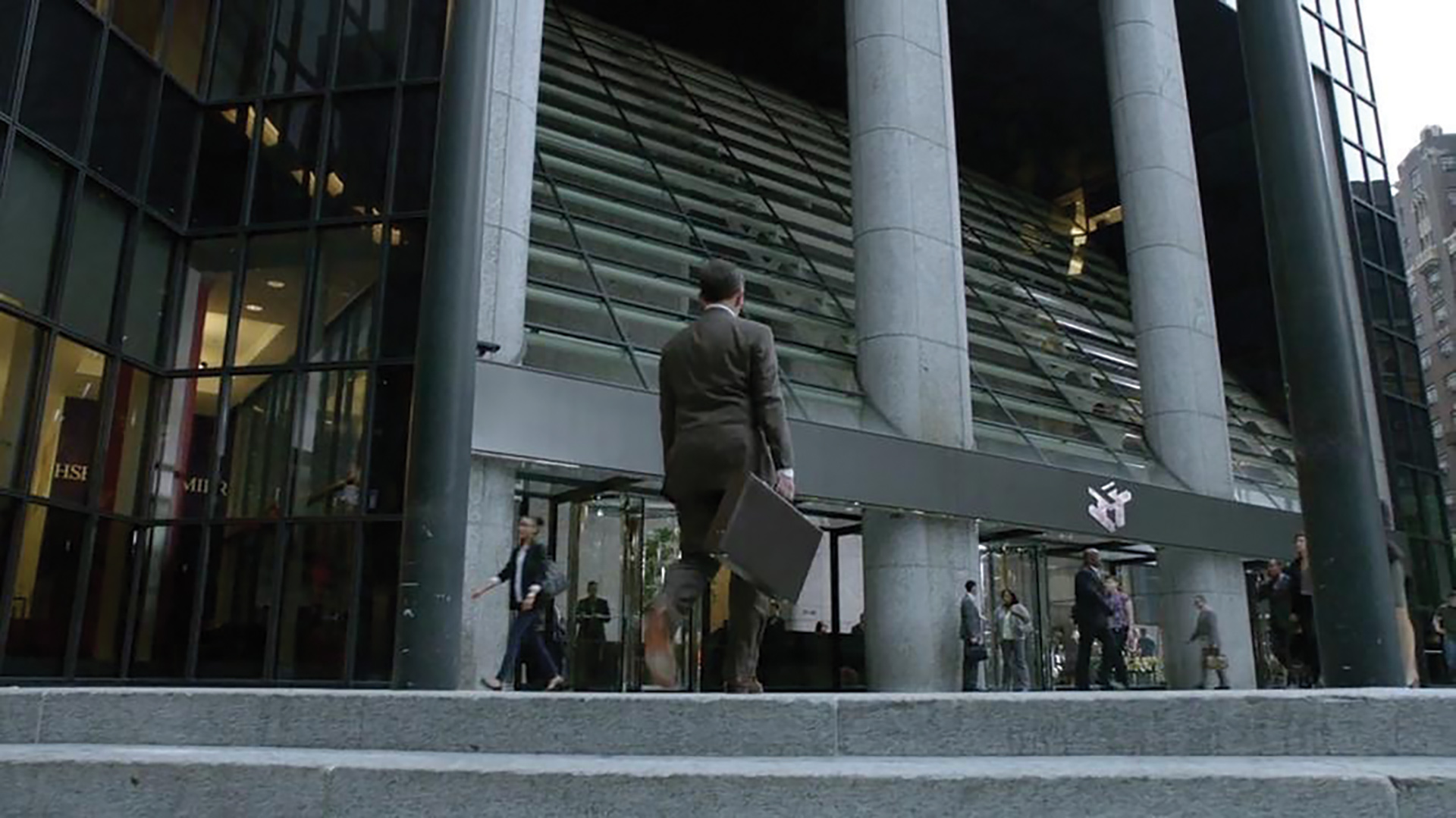
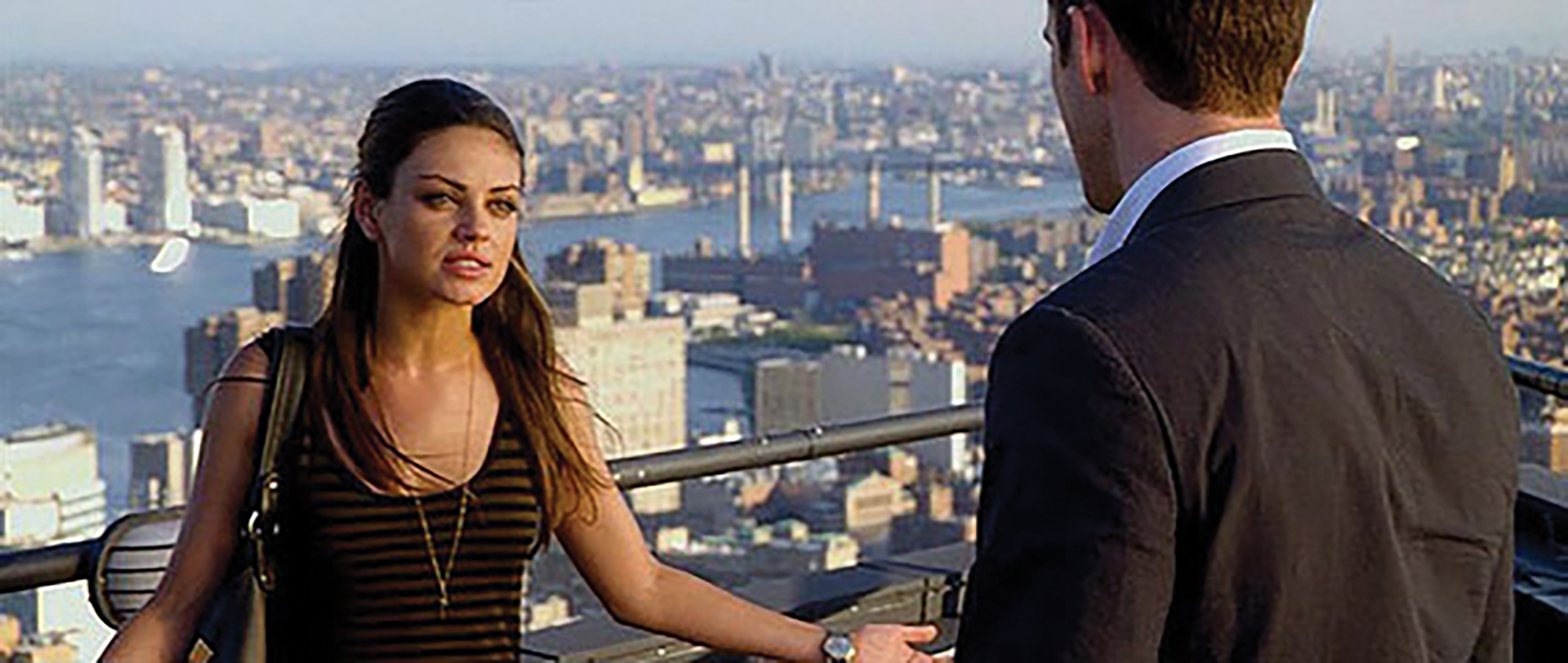
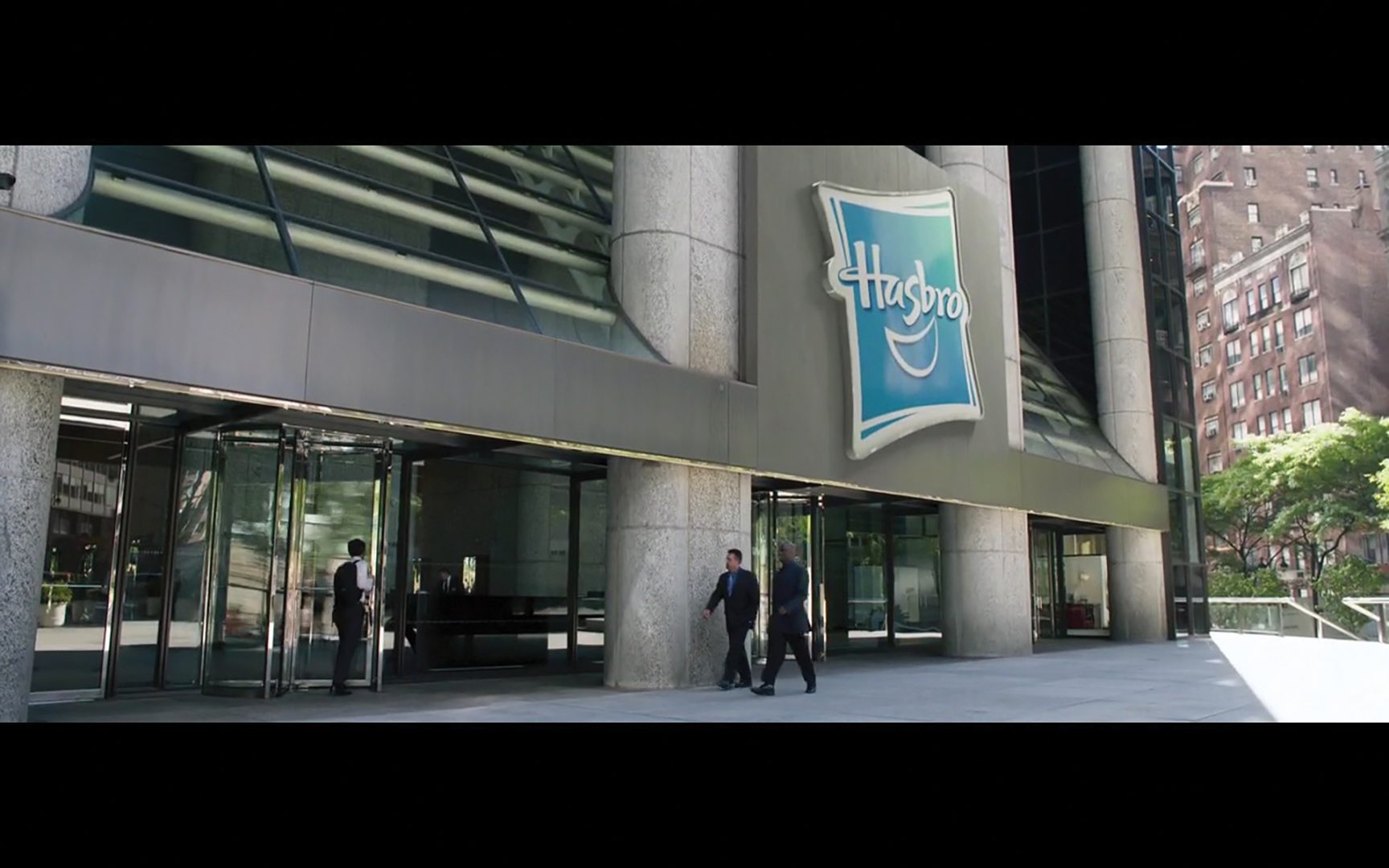
101 Park Avenue is a highly desired production site due to its central location and signature exterior. It has been featured in more than 40 films, television shows, commercials, and music videos since it was built.

  • FILMS
  • Teenage Mutant Ninja Turtles
  • Gremlins 2
  • The Fisher King
  • Entrapment
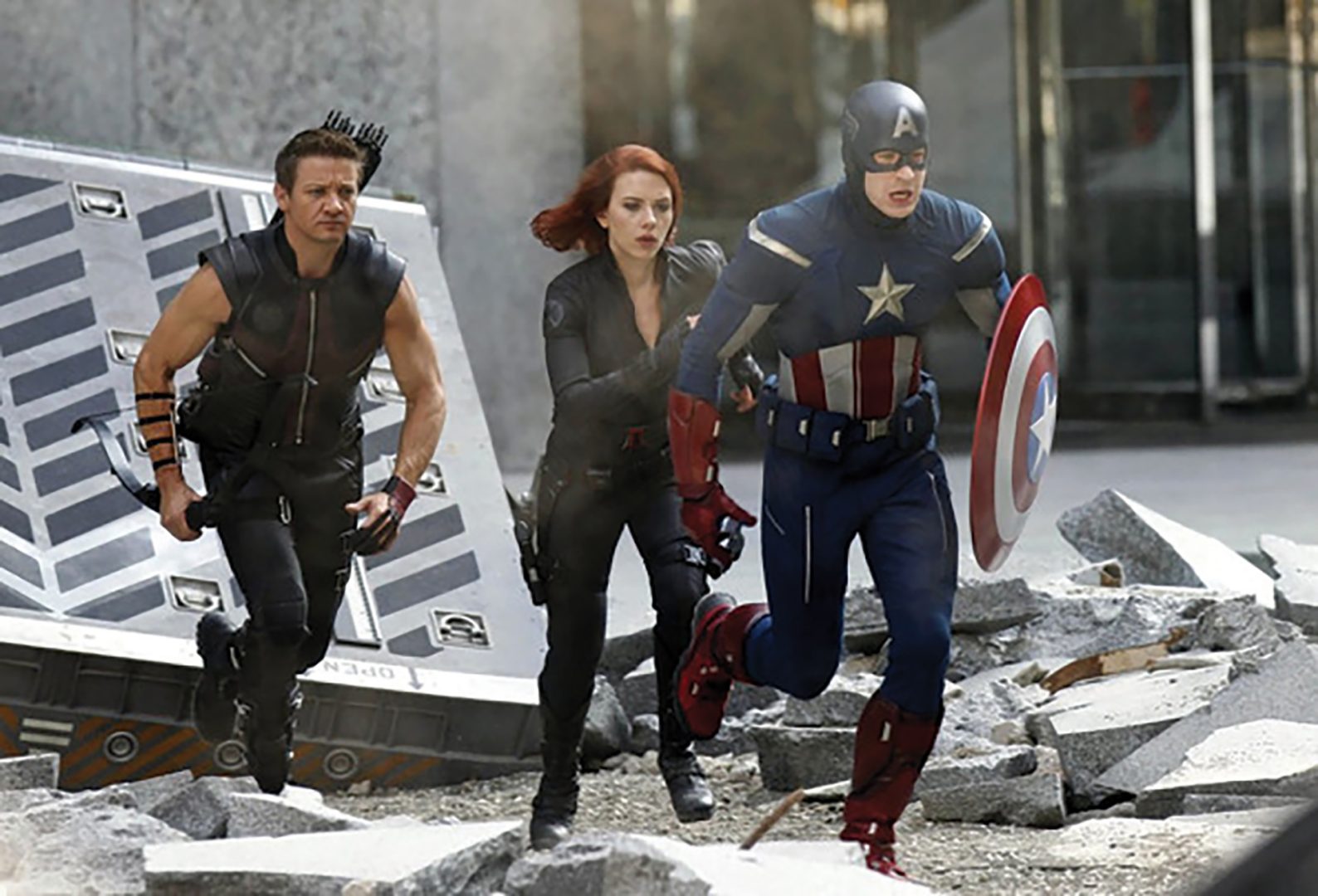
  • The Avengers
  • Ted 2
  • Friends with Benefits
  • The Amazing Spider-Man
  • The Amazing Spider-Man 2
  • The Commuter
  • Men in Black 3
  • Arbitrage
  • Broke
  • New Year’s Eve
  • Crazy People
  • Secret of my Success
  • Brewsters Millions
  • Quick Change
  • Isn’t It Romantic
  • Clifford the Big Red Dog
  • TV SHOWS
  • The Equalizer
  • Orange is the New Black
  • Friends from College
  • Allegiance
  • The Affair
  • BBC One Planet
  • Person of Interest
  • Baby Big Shot
  • The Money
  • Elementary
  • Deception
  • Seinfeld
  • The Detour
  • Limitless
  • Saturday Night Live
  • FBI
  • The Good Fight
  • Bluebloods
  • Ray Donovan
  • COMMERCIALS
  • Nike
  • Charles Schwab
  • Oikos
  • Adidas
  • Verizon
  • MUSIC VIDEOS
  • "Anybody Seen My Baby?" – The Rolling Stones
  • "Up on the Roof" – Robson & Jerome
  • "It's On" – Naughty By Nature
  • "Looking Up" – Michel Petrucciani

Gremlins 2 (1990)

Entrapment (1999)

Person of Interest (2011)

Friends with Benefits (2011)

The Avengers (2012)

The Avengers (2012)

Elementary (2013)

Ted 2 (2015)

The Commuter (2018)