Chapter Twelve

195 Broadway

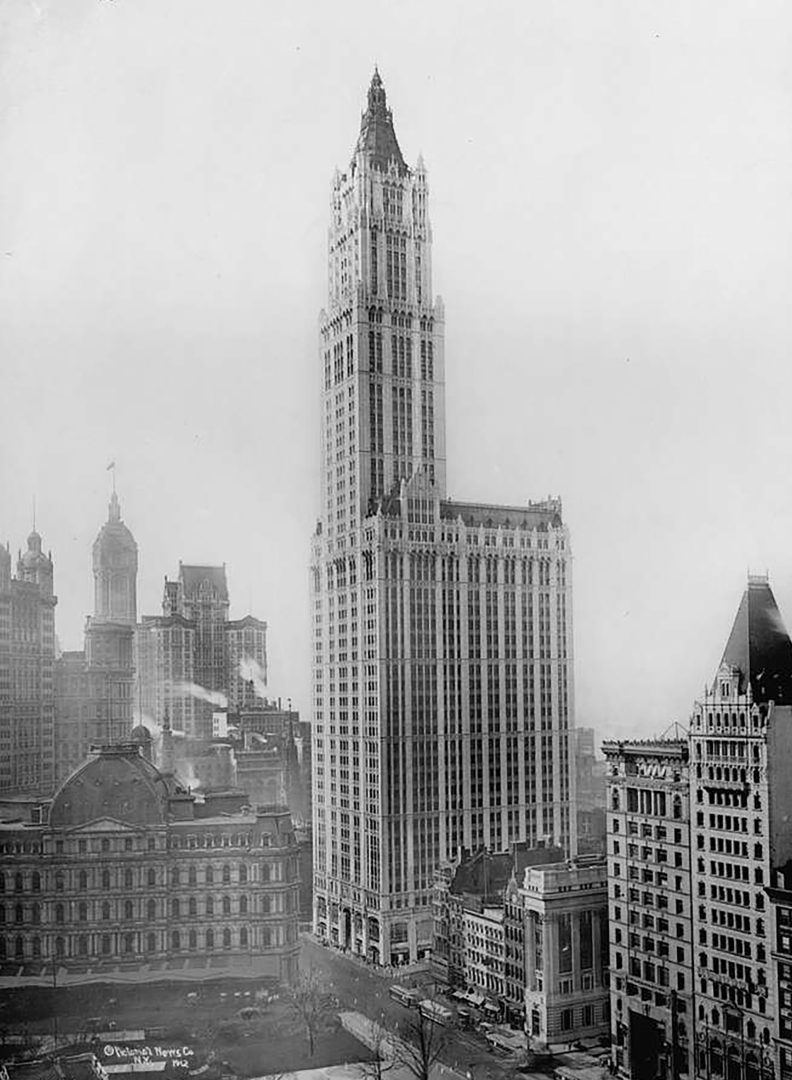
Kalikow continued making ambitious real estate deals with the purchase of 195 Broadway, a site known for its historical legacy and magnificent Greek-inspired architecture.

The current 29-story building was originally commissioned in 1909 by AT&T president Theodore Newton Vail after the company purchased Western Union. It was designed by architect William W. Bosworth and constructed between 1912 and 1924 in a series of three sections. It officially opened in 1918.

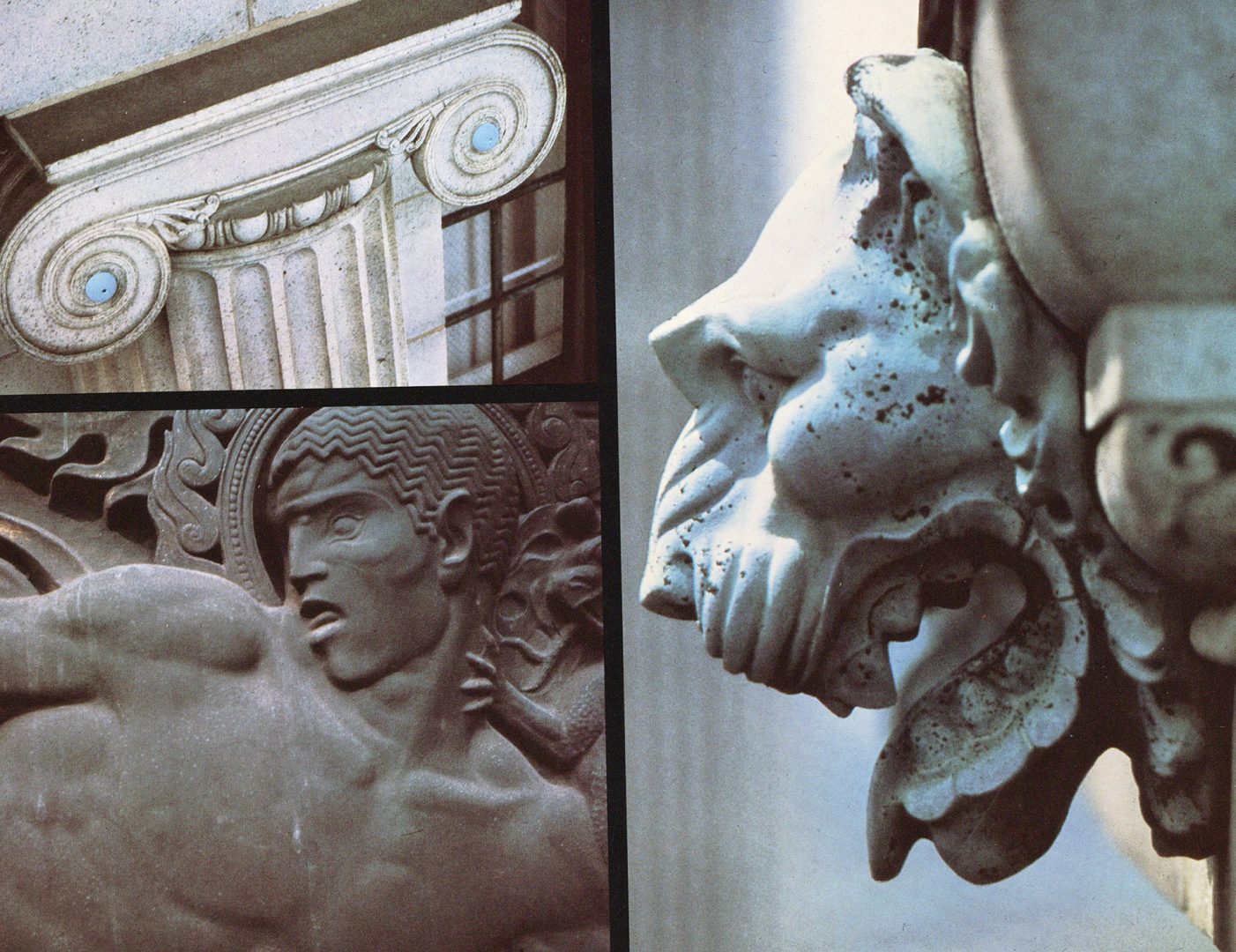
This building, 195 Broadway, was noteworthy for its classic Ionic and Doric columns and its various Greek ornamentation.

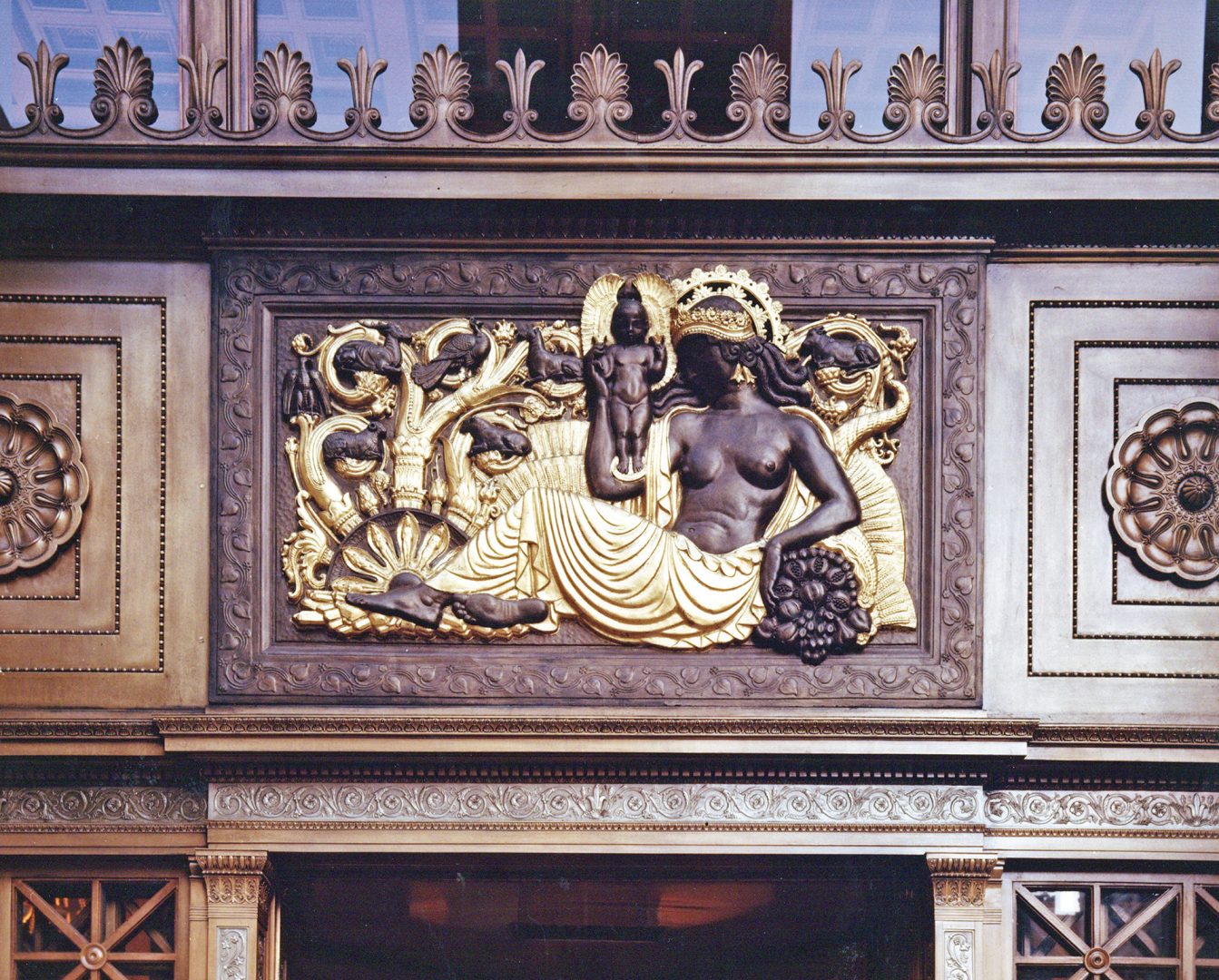
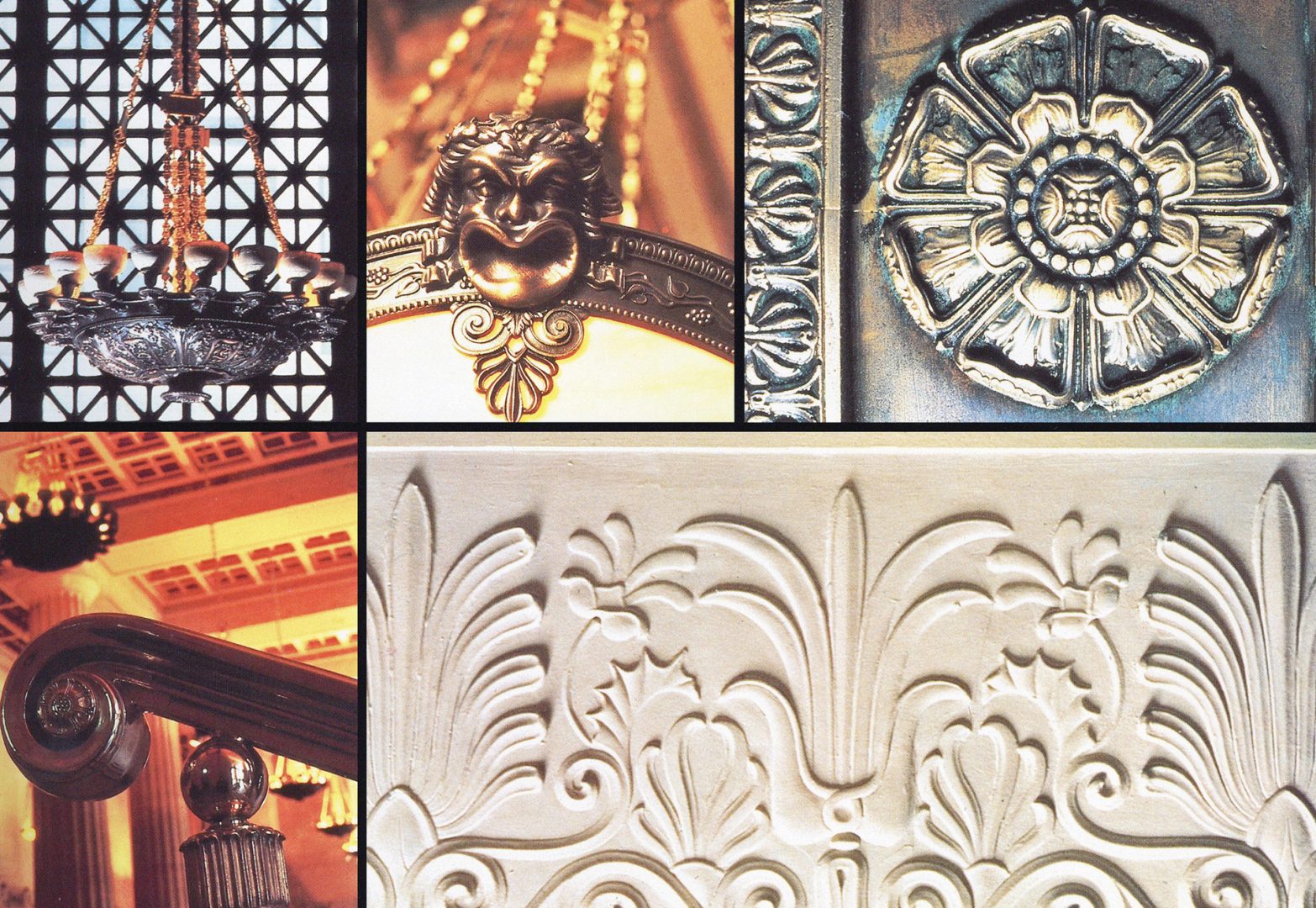
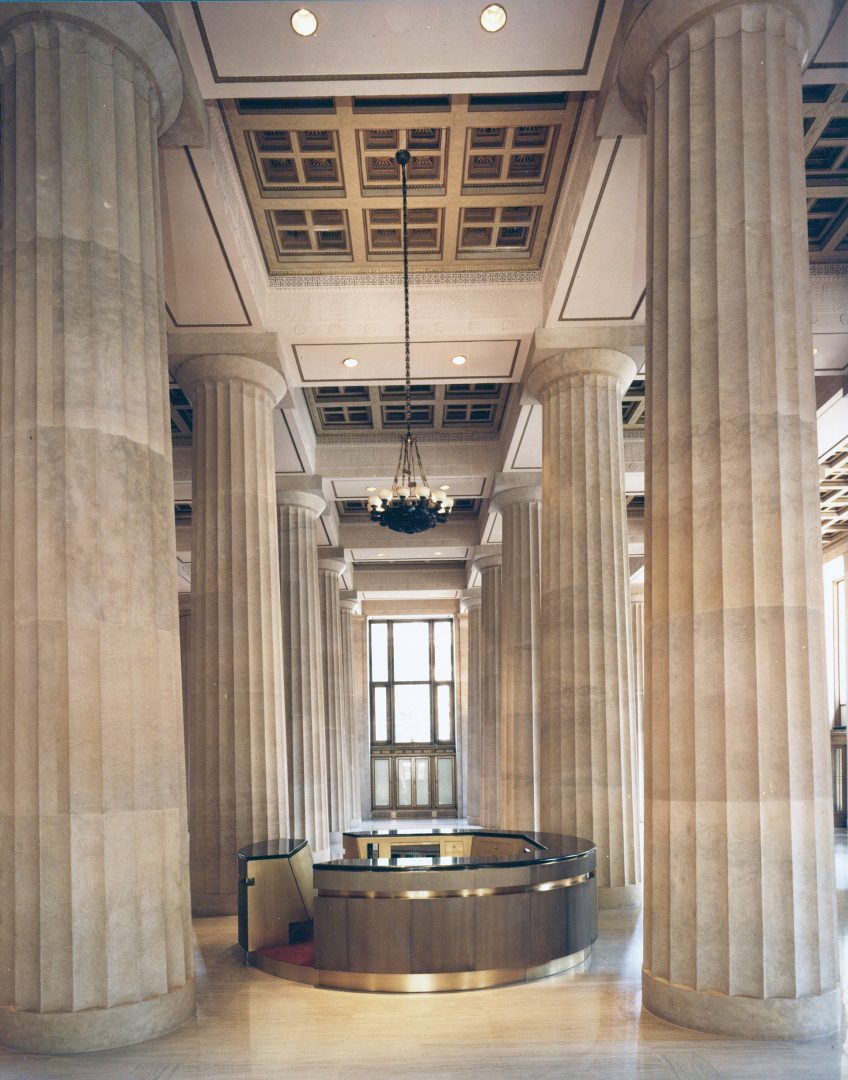
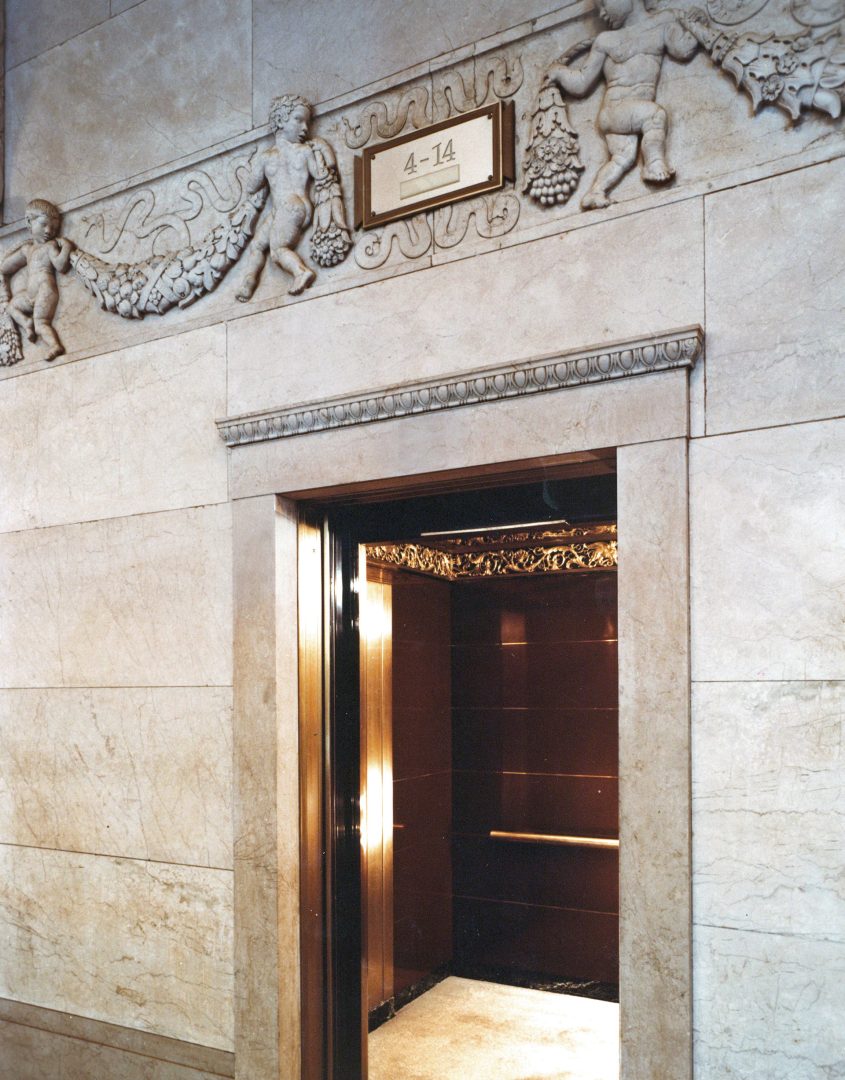
The lobby was covered with gray and white Italian marble walls and floors, and featured several decorations designed by sculptors Paul Manship and Gaston Lachaise, including elevator doors, floor panels, bronze chandeliers, and drinking fountains.
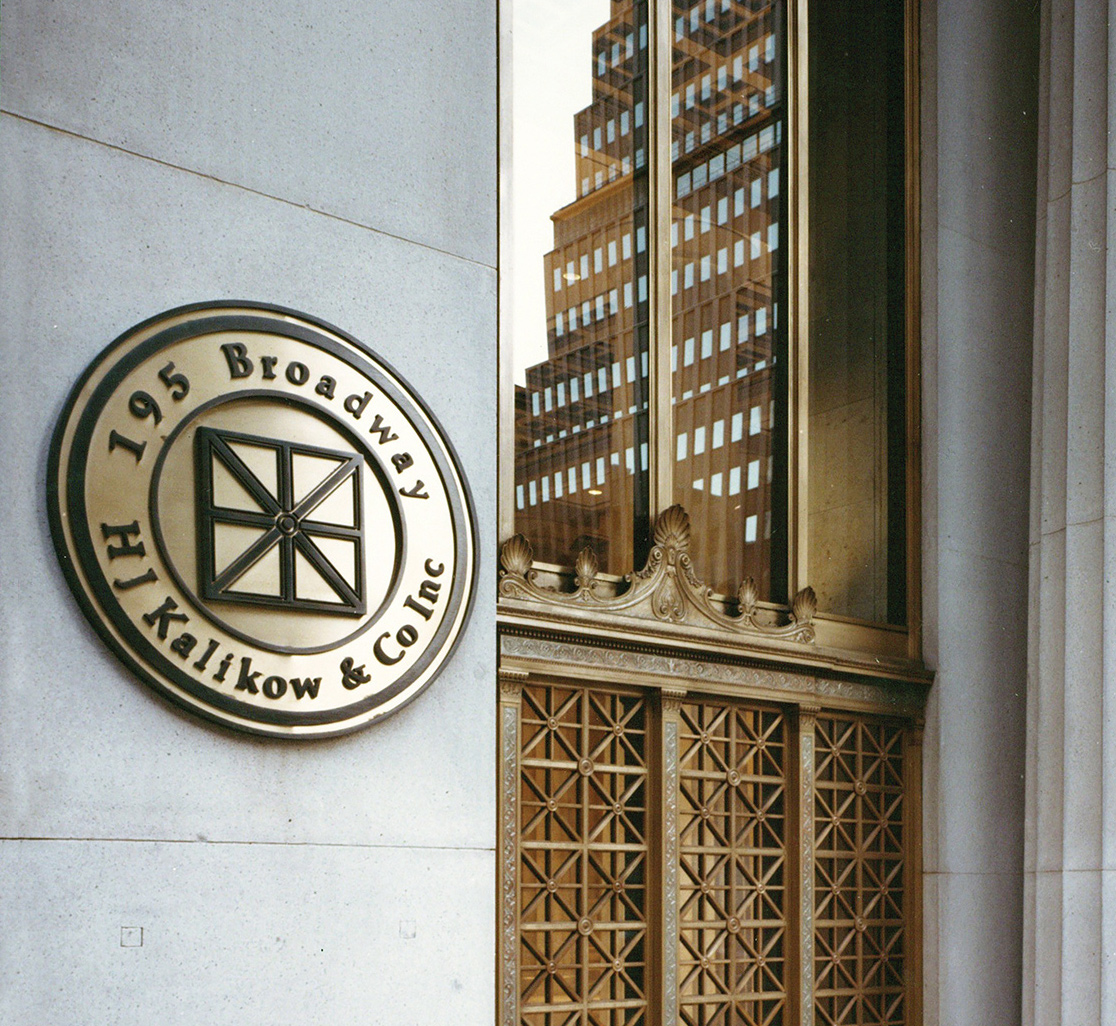
The exterior view of 195 Broadway

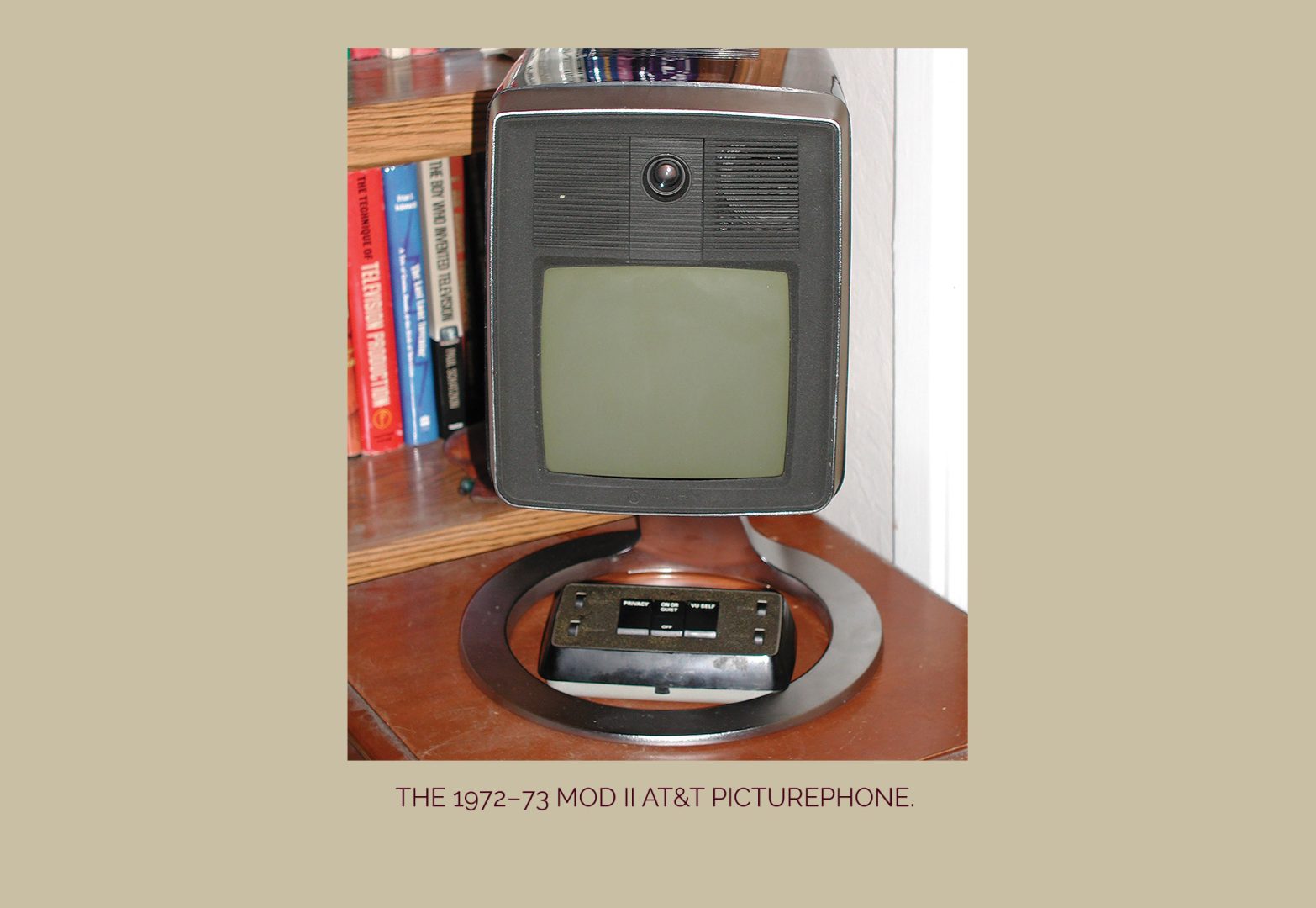
In addition to its grand architecture, 195 Broadway was historically significant as the site of the first transcontinental telephone call, the first transatlantic telephone call, and the first Picturephone call between cities.

In 1982, the Bell System was broken up into seven smaller companies. Shortly after, AT&T announced its relocation to 550 Madison Avenue and the sale of 195 Broadway.

In May 1983, Peter Kalikow purchased 195 Broadway, along with the adjoining properties at 47 Church Street and 172-174 Fulton Street, for $73 million. The proceeds from the sale were used to start the AT&T Foundation.

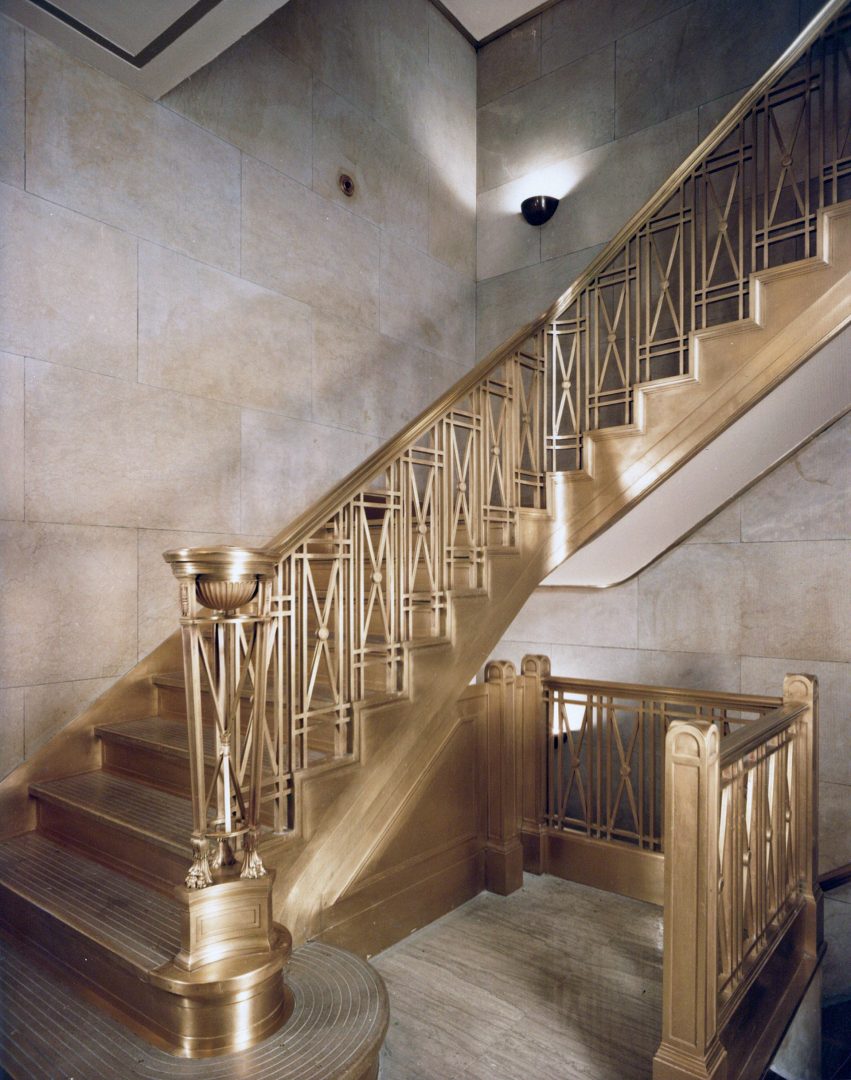
Pictures of the restored lobby at 195 Broadway

Pictures of the restored lobby at 195 Broadway

AT&T replaced the original marble and decorations with replicas as part of their restoration obligation during the sale to maintain the artistic integrity of the building.

The precise ornamentation throughout 195 Broadway

AT&T created the Picturephone in 1963, an experimental videophone system, similar to FaceTime today. It was first introduced to the public at the 1964 New York World’s Fair before going commercial in 1970. Despite the popularity of apps like FaceTime and Skype today, the Picturephone was received poorly by the public at the time, leading AT&T to discontinue the service in the late 1970s. Courtesy: LabguysWorld.com

Many of the features of the building, such as the Doric and Ionic style columns and various Greek ornamentation, were inspired by classical Greek buildings like the Parthenon.

AT&T officially moved out in 1984 and removed several bronze decorations and sculptures from the lobby, including the famous Spirit of Communication statue and the marble from the floors and walls.

In 1984, Kalikow invested $3 million into restoring the building, striving to maintain the historical integrity and original design of the building’s exterior and lobby, while modernizing its spaces and mechanical functions. Architect Eli Attia headed the project. HJ Kalikow rented out the office spaces to tenants such as Morgan Stanley; the building was sold to L&L Holding Company in 2004.

In 2006, the exterior of the building and the first floor were granted landmark status from the New York City Landmarks Preservation Commission.

The marble floors and bronze chandeliers in the lobby of 195 Broadway

The elevators at 195 Broadway with designs by Paul Manship and Gaston Lachaise