Chapter Thirteen

Acquiring the  New York Post

In 1988, a few years after the completion of the 195 Broadway renovation, Peter Kalikow was feeling on top of the world. With one success after the other, no project seemed too large to undertake, not even the acquisition of a newspaper.

After new federal legislation preventing cross-ownership of TV stations and newspapers forced media magnate Rupert Murdoch to sell the New York Post, Kalikow believed he was the man to take over the job. The New York Post had been losing money long before Kalikow bought it as competition and industry costs increased. However, given his business background and previous accomplishments in the face of risk and adversity, Peter Kalikow thought he could figure out how to get the paper back on track and profitable again.

It was not long into his ownership before Kalikow learned it would be more complex than he had originally planned. The newspaper business was relentless, and competition was tough among rival papers such as the New York Daily News and The New York Times.

According to Kalikow, no matter what he tried, nothing worked to stop the company from losing money.

“Nothing I knew was any good when it came to fixing the Post,” he said.

Peter Kalikow on the cover of New York magazine

Peter Kalikow displaying his papers at the New York Post

Despite surrounding himself with a team of qualified individuals, including journalist Jerry Nachman as editor-in-chief, and current HJ Kalikow Executive Vice Presidents Richard Nasti, who served as general manager, and Daniel Cremins, Kalikow says that they were “killing themselves just to break even.”

A large part of the issue, said Kalikow, was that the union contracts required newspapers to always employ a certain number of people. Without being able to downsize the company and not wanting to cut any employee salaries, they were left with few options to fix the Post’s financial situation.

In 1990, right around the time that Kalikow had finally found other ways to lower costs, the United States entered a recession, driving down revenue from the paper significantly. At the end of October that same year, several newspaper unions went on strike, adding to the growing number of troubles Kalikow and the New York Post faced.


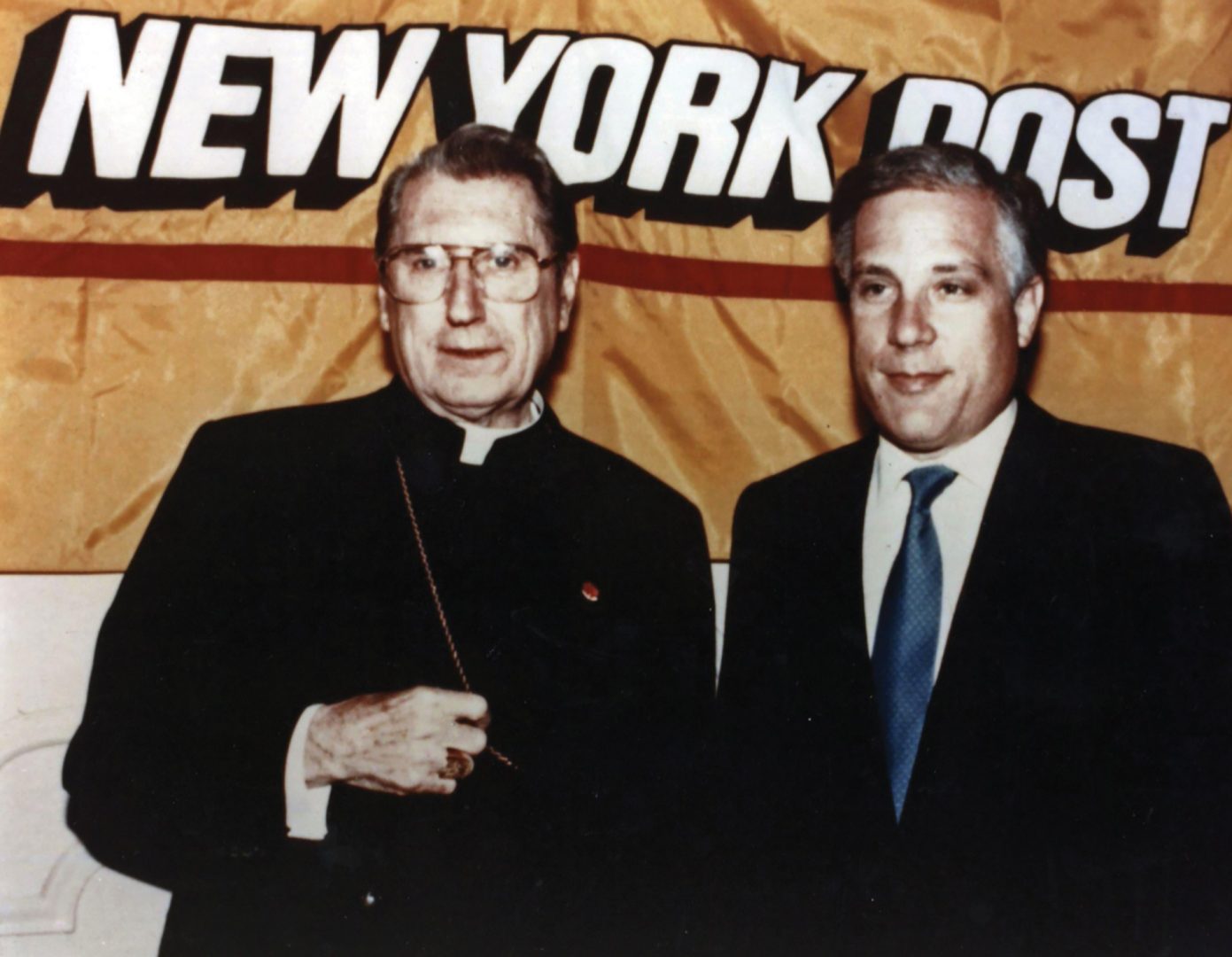
Cardinal O’Connor with Peter Kalikow

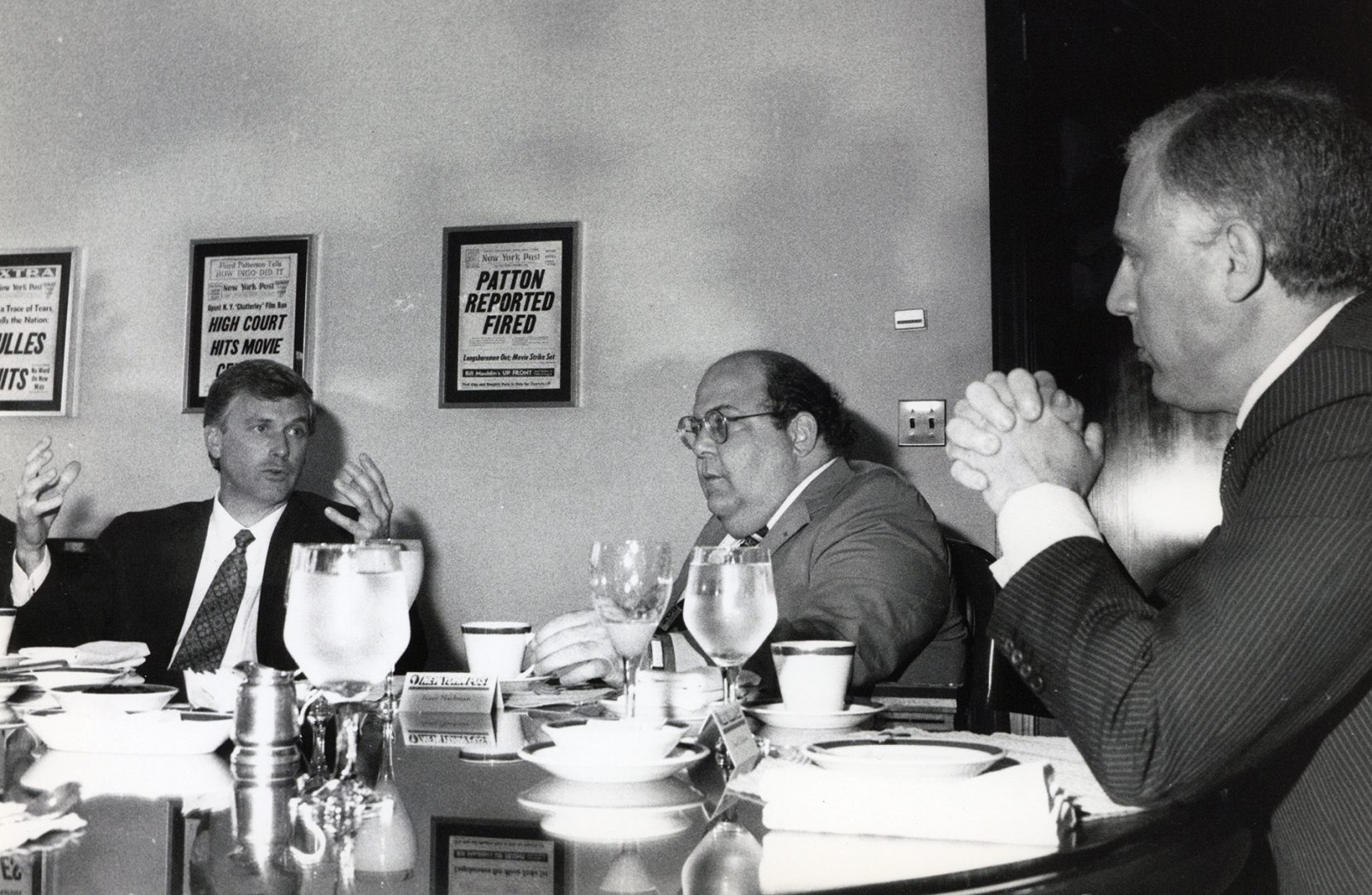
Former Vice President of the United States Dan Quayle in a meeting with New York Post Editor in Chief Jerry Nachman and Peter Kalikow

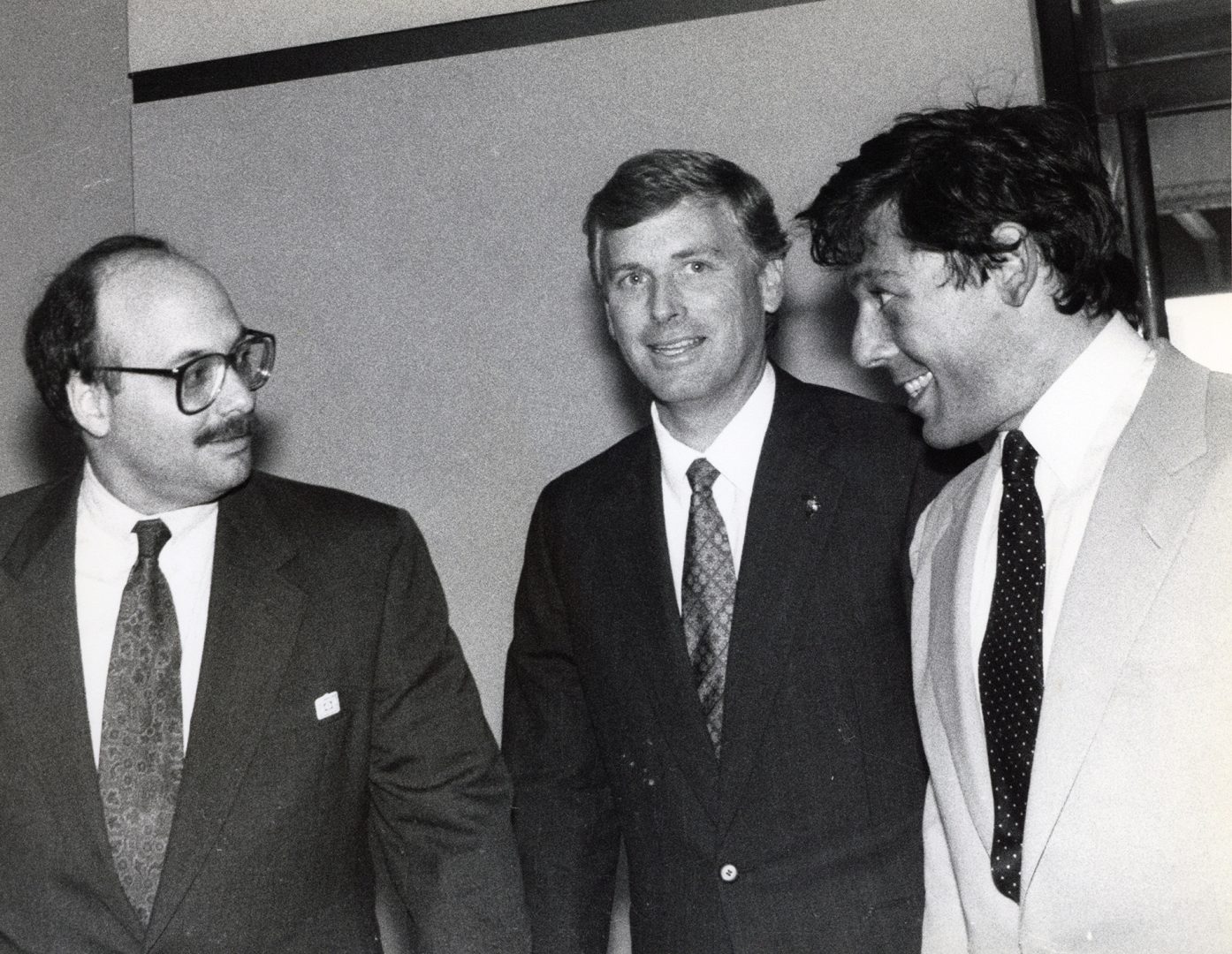
Left to right: New York Post General Manager Richard Nasti, former Vice President Dan Quayle, and Head of Editorials at the New York Post Eric Breindel

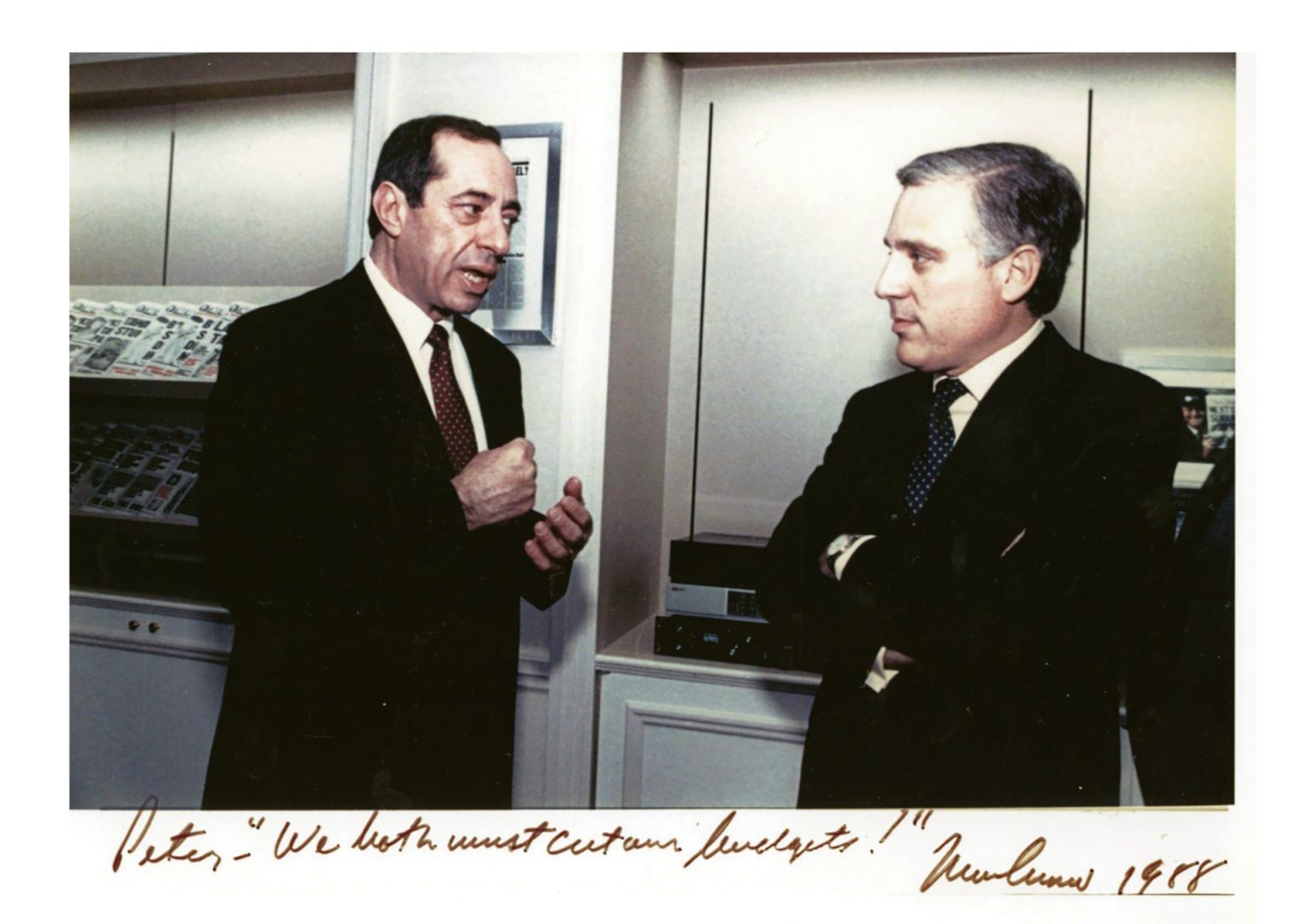
A 1988 postcard from Mario Cuomo to Peter Kalikow stating, “Peter – We both must cut our budgets!” referring to Kalikow’s ownership of the New York Post

The paper was almost shut down before Kalikow managed a series of successful negotiations with the unions. However, he determined that he could no longer put additional money into the New York Post and would have to find a buyer to take the paper off his hands.

Due to the difficult market, Kalikow struggled to find an initial buyer, causing worry and uncertainty about the future of the paper, as well as his own.

The nightmare eventually came to an end in 1993. Following pressure from politicians, including the governor at the time, Mario Cuomo, the Federal Communications Commission (FCC) granted Rupert Murdoch a permanent waiver allowing him to repurchase the New York Post from Peter Kalikow.

Kalikow remembers these years as some of the most stressful of his life.

“Had I known how it was going to turn out, I would’ve enjoyed it more, but for the eleven months it was happening, I was scared out of my mind,” said Kalikow quoting a friend of his father’s who also served in World War II.

As a young boy, Peter remembers asking the veteran what his experience was like during the war. The man, who served on D-Day, responded with the quote above. Kalikow was particularly reminded of it in the aftermath of his Post ownership.

However, he also said it was a “good lesson” to learn, especially at the age of 50, after years of thinking he was invincible.

The experience changed Kalikow’s philosophy on business and life.

I never worked so hard for so little result in my life.”

Peter Kalikow

Since selling the New York Post, HJ Kalikow has persevered through three economic downturns in the United States, all of which the company has survived without any adverse effects. Peter cites his new approach to business as the reason why.

Not only did Peter change his thoughts about business, but also his thoughts about the use of his time.

“I made a vow that if this works out for me, I’m going to spend 20 percent of my time doing something that doesn’t make me any money,” said Kalikow.

Whether through community service, philanthropy, spending more time with his family and young children, or pursuing personal passions like his car collection, Kalikow pledged not to let business control his life as it once had.

While the Post was not the success Peter Kalikow had hoped it to be, his reputation as a developer remained incorruptible, or as his mother, Juliet, once put it during an HJ Kalikow creditor meeting, “When it comes to real estate, Peter knows what he’s doing. I’m not so sure about newspapers.”

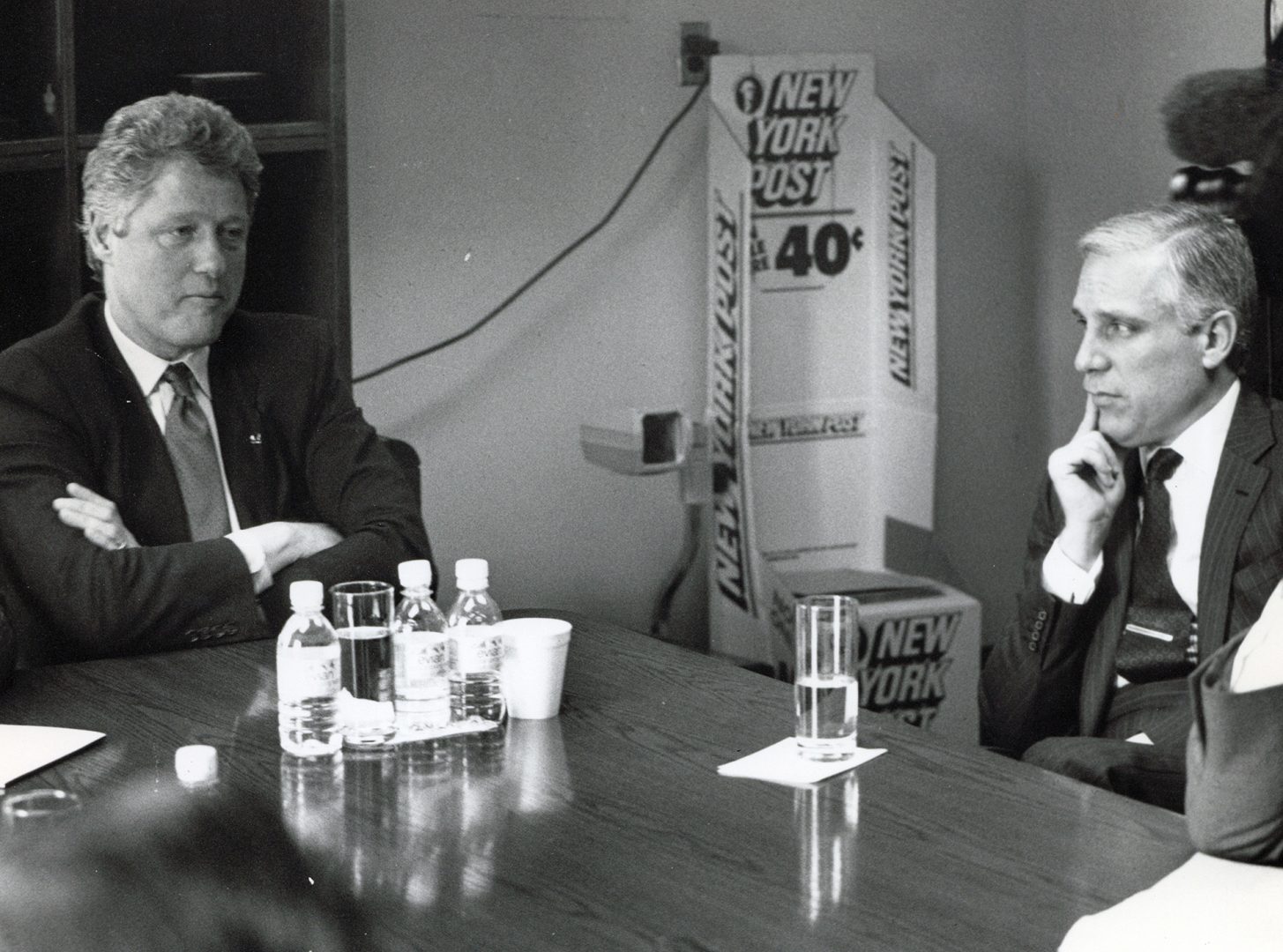
Peter Kalikow sits down with then presidential candidate Bill Clinton at the New York Post. Among the many significant political figures and celebrities Kalikow has met over the years, he fondly recalls that his mother, Juliet, was particularly impressed when he met broadcast journalist Ted Koppel.

For the first 20 years of my career, I only cared about building assets. For the next 20 years, I only cared about reducing liabilities.”

Peter Kalikow

1801

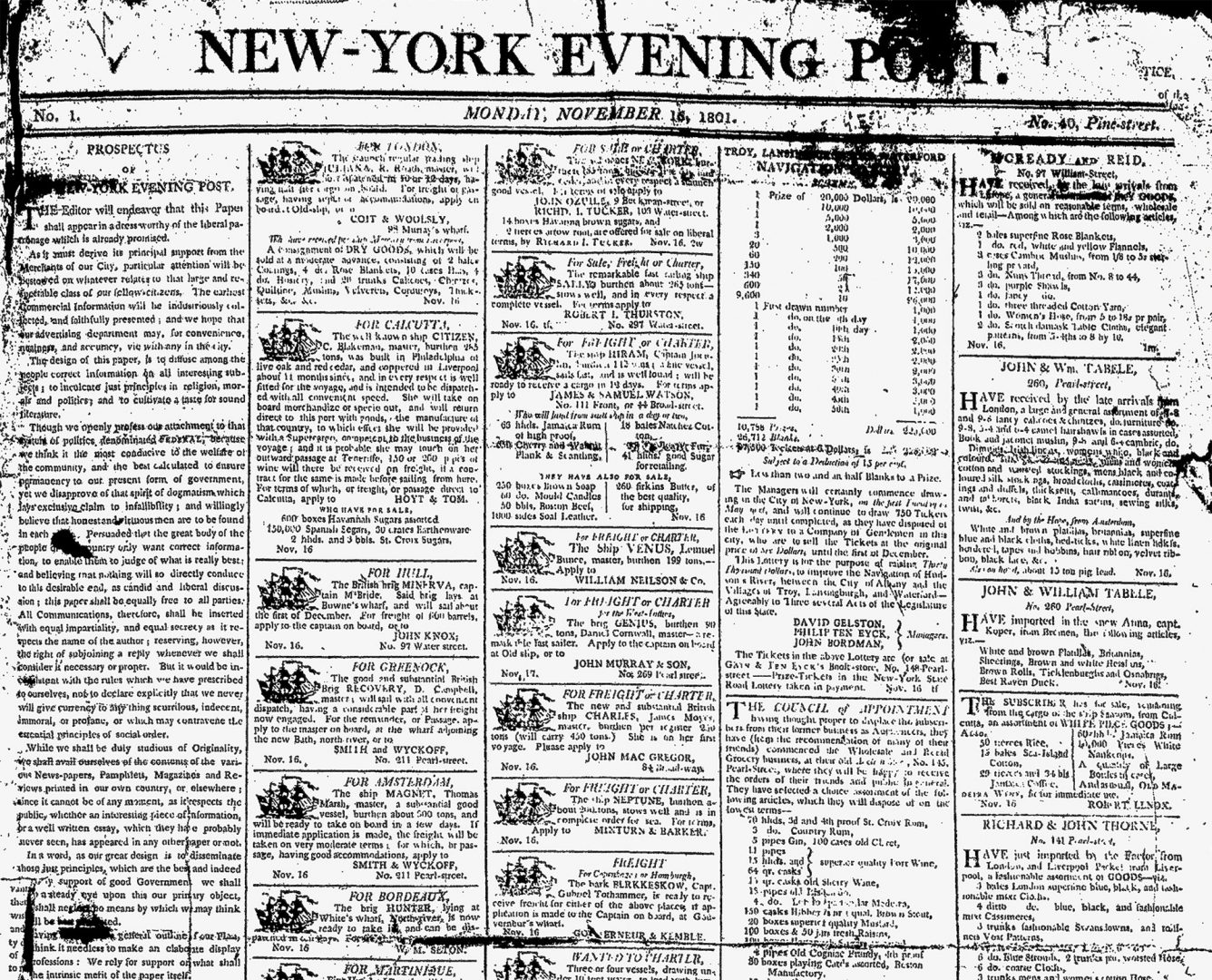
The New York Post is America’s oldest continuously-published newspaper. It was founded by Alexander Hamilton in 1801 and called the New York Evening Post until 1934, when it was purchased by J. David Stern and its name was changed to the New York Post. Pictured above is the first copy, printed on November 16, 1801.

1901

The front page of the original 100th-anniversary edition of the New York Evening Post printed on November 16, 1901

The People Behind Kalikow: Richard Nasti

Richard (Rick) Nasti first met Peter Kalikow through United States Senator Alfonse D’Amato. Following his graduation in 1981 from the University of Pennsylvania Carey Law School, Nasti started working on Capitol Hill as Senator D’Amato’s chief counsel. Peter Kalikow and the senator had already been good friends.

In 1986, during Senator D’Amato’s re-election campaign, Nasti was the campaign manager while Kalikow was the finance chair. Over many campaign meetings held at 101 Park Avenue, Kalikow and Nasti developed a close relationship bonding over their shared passion for politics and public policy.

After Rick’s work in politics, he transitioned out of the field to become an investment banker. However, he quickly found out, particularly after discussing with Peter, that the job did not fulfill him. Peter and Rick stayed in touch following their work on Senator D’Amato’s campaign, and a year later, in 1987, Rick got a call from Peter asking if he would like to come and work for his company.

Richard Nasti

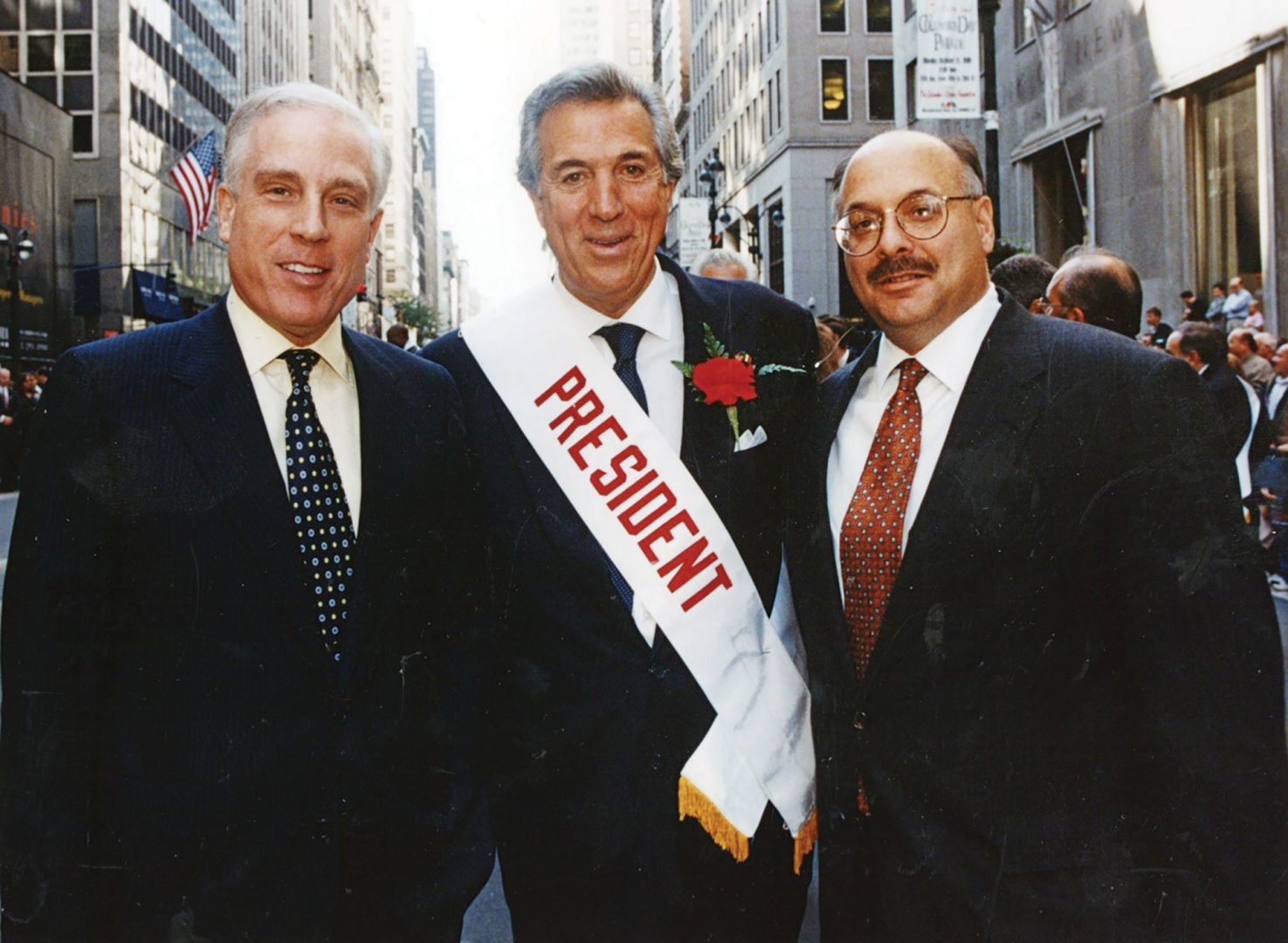
Peter Kalikow, Charles Gargano, and Rick Nasti at the 55th Annual Columbus Day Parade in New York City (October 11, 1999)

Shortly after taking the job with HJ Kalikow, Rick was asked to come aboard as general manager of the New York Post, which Peter had recently purchased. Nasti was hesitant since he didn’t know much about the newspaper business, but Peter was persistent and confident that Rick was the right person for the position. Nasti eventually agreed and became the general manager of the New York Post, overseeing all business operations, such as printing and distribution.

Kalikow credits him as one of the main reasons they kept things running for as long as they did.

While Nasti found the work at the newspaper exciting, he also found it demanding. “With the advent of digital, fewer people were reading the newspapers as a habit,” said Nasti.

According to Nasti, everyone at the Post was highly dedicated to keeping the newspaper running despite the challenges. Given the newspaper’s rich history as the oldest continuously published newspaper in America (founded by Alexander Hamilton in 1801), it was imperative to Peter that the Post survived.

“Peter deserves a tremendous amount of credit for keeping the paper alive,” said Nasti.

Rick and Peter ride the subway together when Peter was still the head of the MTA.

HJ Kalikow Executive Vice President Rick Nasti with HJ Kalikow First Executive Vice President Dan Cremins

After Peter sold the paper in 1993, Rick returned home to 101 Park Avenue, where he continues to serve as executive vice president of HJ Kalikow & Co. today, ensuring the vision and goals of Peter and the company are executed efficiently and successfully.

“Peter is an incredible guy who has built an amazing business. After all these years, he really treats me like family, and I am proud to be part of that family. He has taught me a great deal about real estate development, management, and finance,” said Nasti.

In addition to his work at HJ Kalikow and the New York Post, Rick Nasti served as the regional administrator of the Federal Transit Administration under President Reagan. He later sat on the MTA Board for several years in the 1990s.

Continuing his long history of public service, Nasti served as chairman of Stony Brook University for fifteen years and is currently a member of the Stony Brook Foundation Board. Additionally, he served on the boards of Iona College and Iona Preparatory School.

Rick Nasti is the recipient of numerous awards including the Ellis Island Medal of Freedom, the Iona Preparatory Blessed Edmund Rice Award, the Stony Brook Medal, and the Stony Brook Distinguished Alumni Award. In 2012, he was knighted by the Italian Republic.

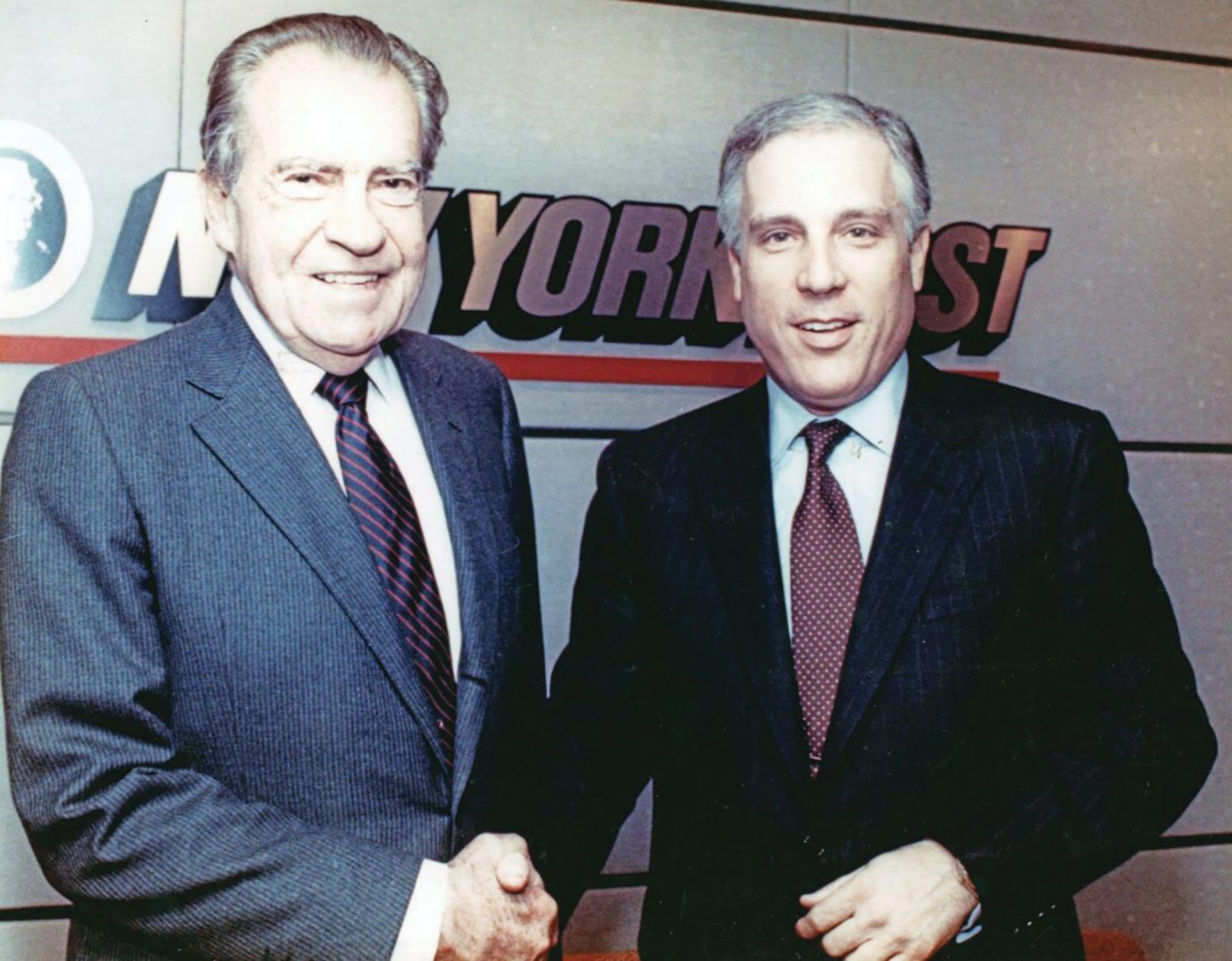
Peter Kalikow shakes hands with former President Richard Nixon at the New York Post.

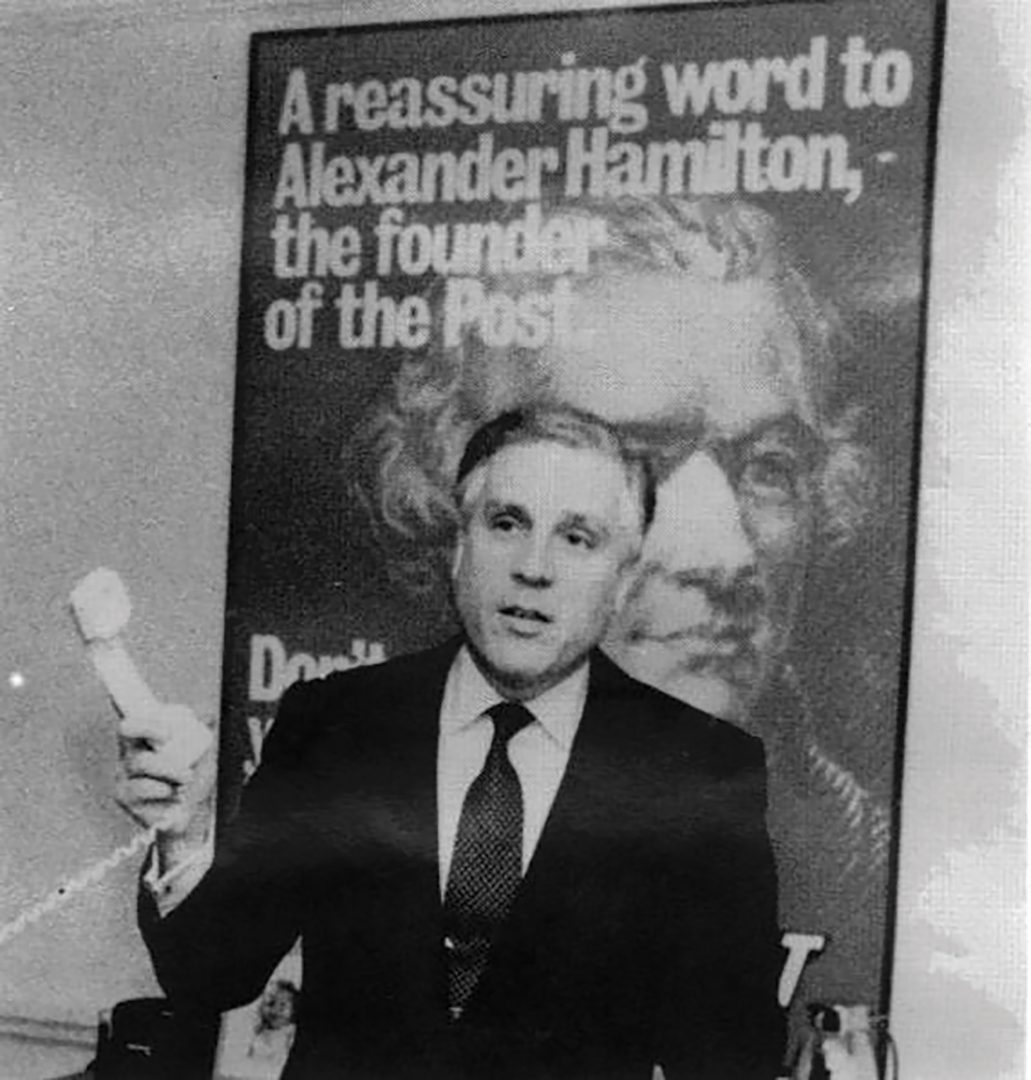
Peter Kalikow taking a phone call in his office at the New York Post

Lessons Along the Way
THE NEW YORK POST

The purchase of the New York Post by Peter Kalikow was undoubtedly the most notable act of the Kalikows’ 100-year-old life in business. Peter became the owner and publisher of America’s oldest continuously published newspaper, and with it, a celebrated voice in the country. Taking on this task, particularly in the face of a down real estate market at the time, was challenging, to say the least. Closing the newspaper would have resulted in the loss of over a thousand jobs and a multi-employer plan withdrawal liability of millions of dollars, an obligation of the New York Post and Peter personally.

The solution to this economic challenge lay within the four corners of the US Constitution. The framers wanted to encourage businesses to take risks, on the one hand, but, on the other hand, provide for an orderly process for dealing with economic challenges that often occur. Peter turned this challenge into an opportunity, filing for bankruptcy protection. This action enabled him to avoid millions of dollars of pension plan liability while, at the same time, providing the necessary breathing room to successfully deal with debt in a managed fashion, preserving the inherent value in his core properties.